
Last updated November 15, 2026
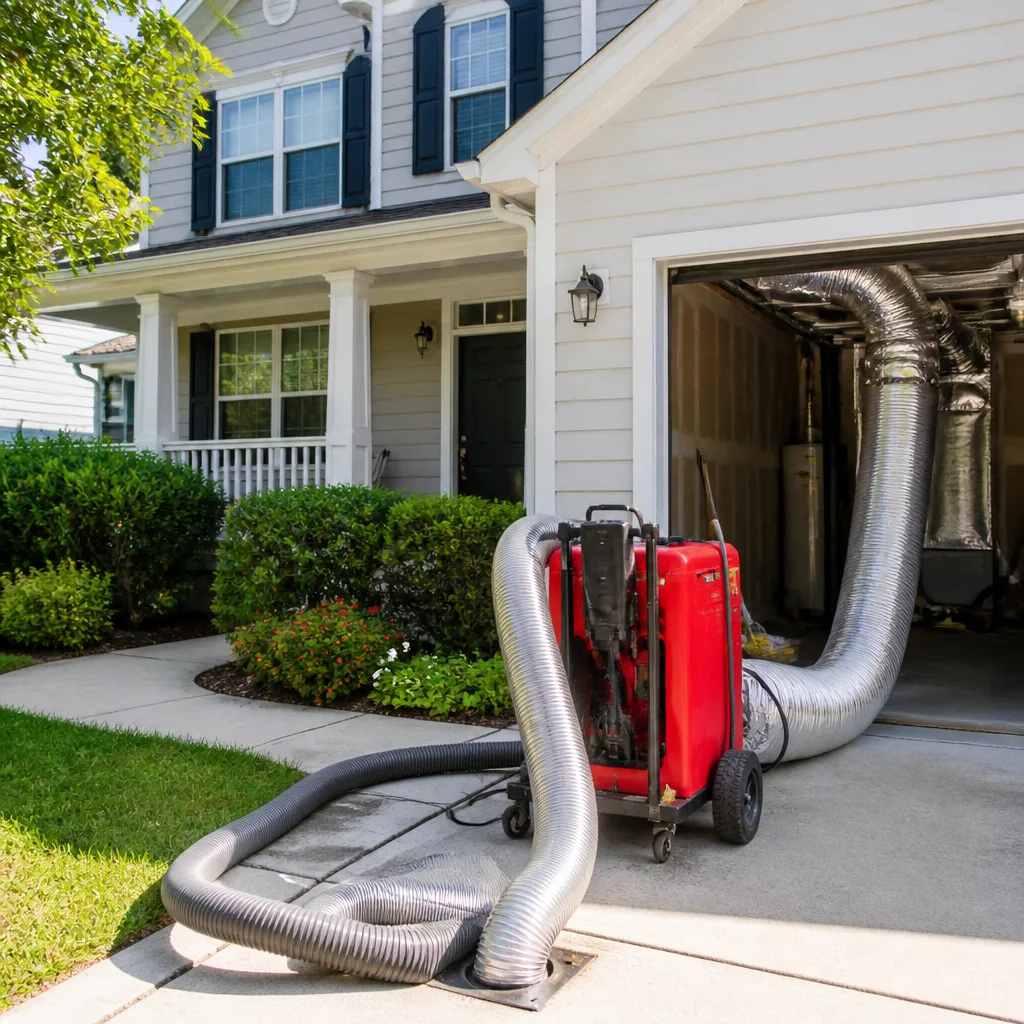 Whole-home duct cleaning
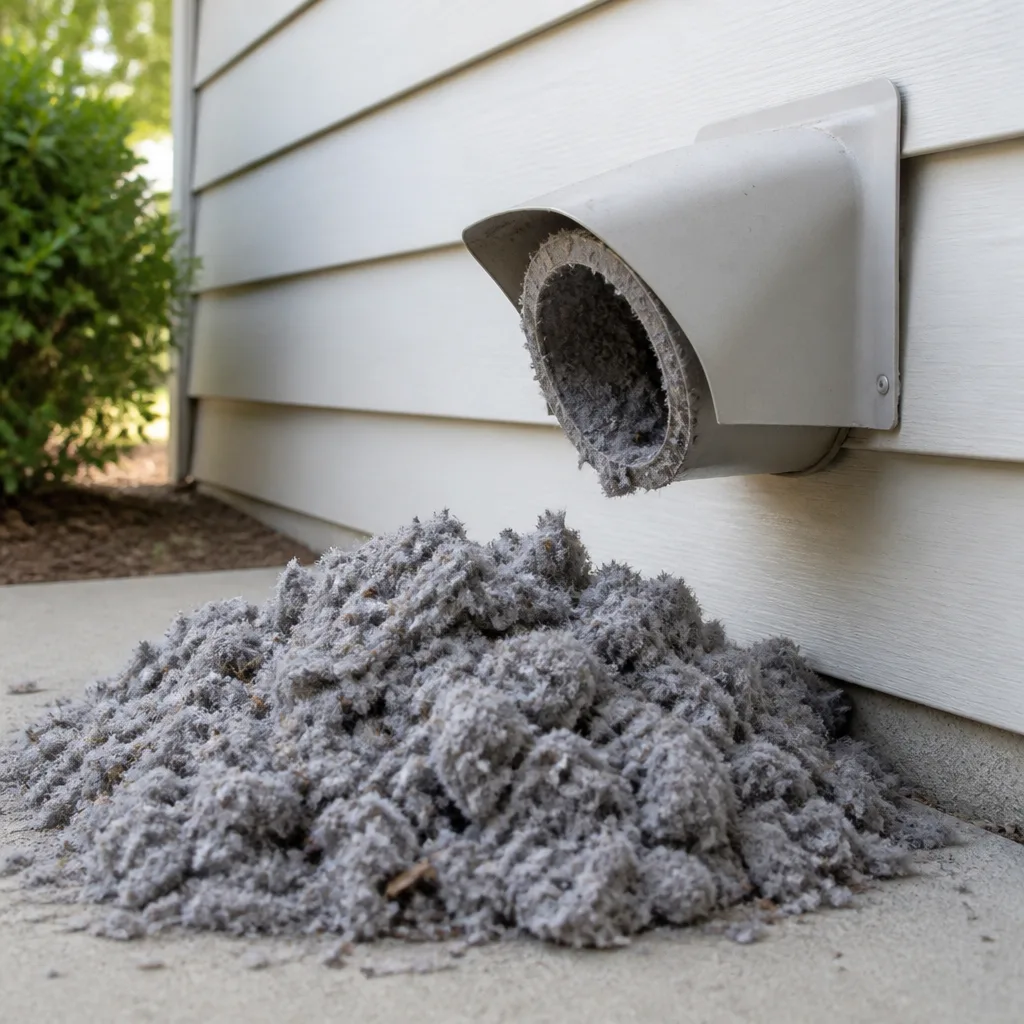 Dryer vent cleaning
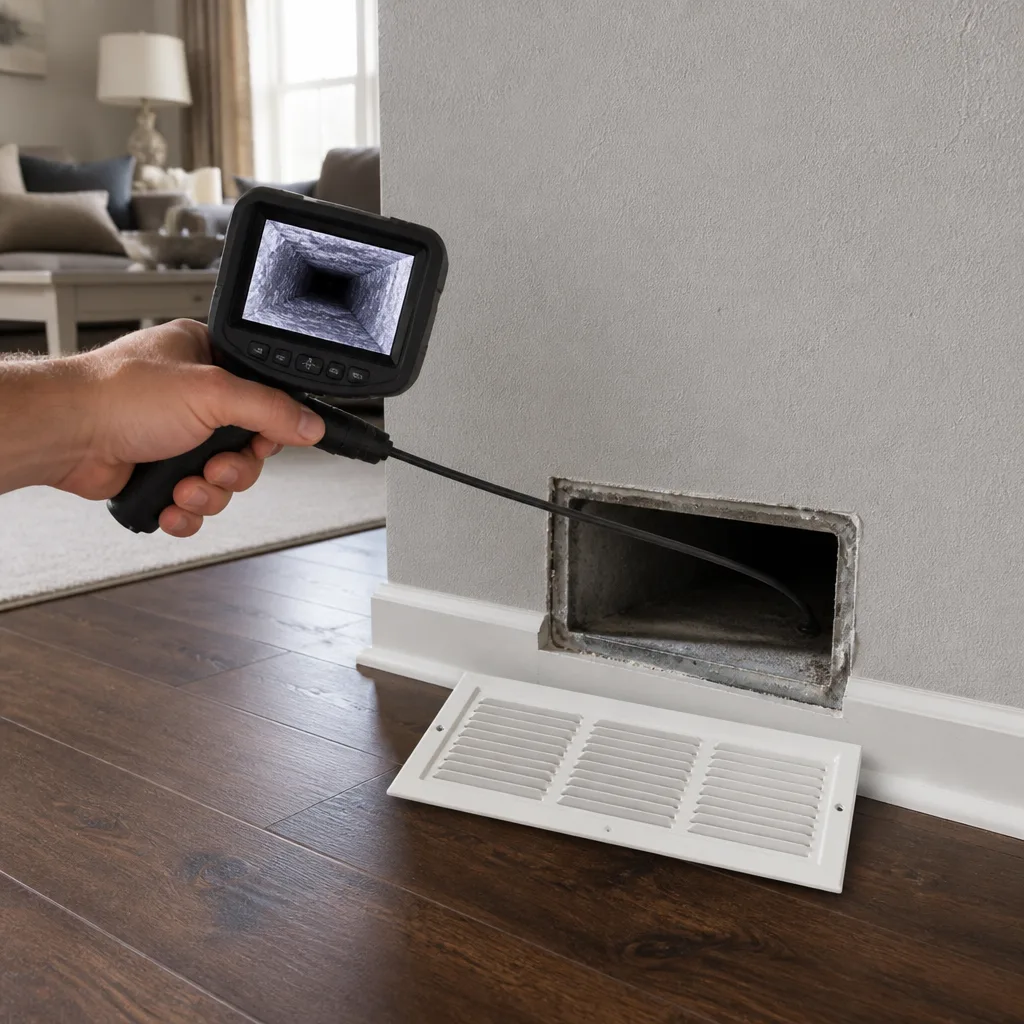 Camera inspection
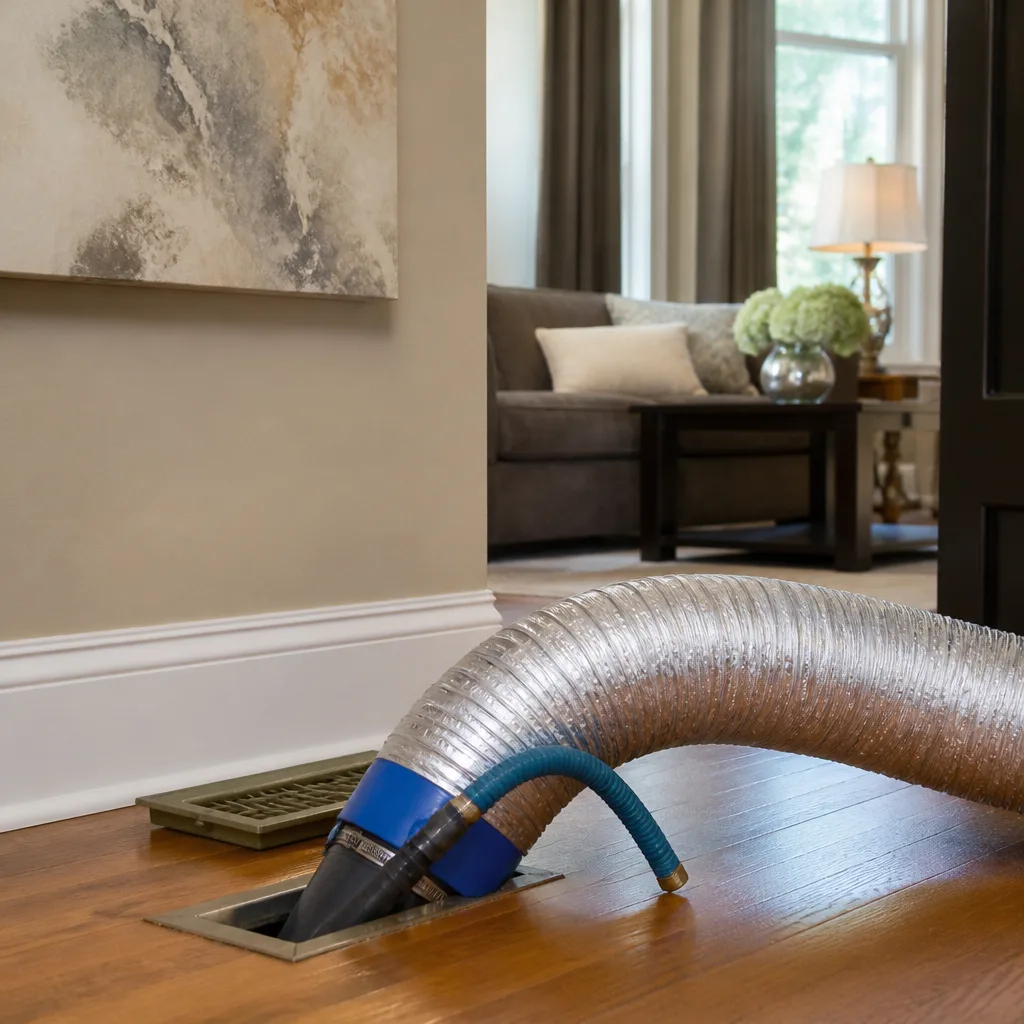 Sanitizing & deodorizing
Whole-system duct and dryer vent check with before-and-after photos - you see exactly what came out of your vents
That "$99 whole-house special" is a bait ad - the real number appears once they are in your hallway, or the "clean" is a shop-vac at the register. We photograph the inside of your ducts before and after instead.
Air Duct Cleaning Emergency Preparedness Guide for Lubbock Homes
Most duct cleaning advice assumes you have weeks to think about it. In Lubbock, the two events that actually threaten your air system don’t give you weeks. Dust storms roll in off the open farmland west of town and can turn the sky brown in under an hour. Flooding from heavy summer rain doesn’t ask permission before it finds the lowest point in your slab. The homeowners who come through both events with clean, working ductwork are almost never the ones who cleaned up fastest afterward. They’re the ones who knew what to do in the first 48 hours. This guide is about that window: how to read your system after a storm, how to tell filter-level dust from duct-level contamination, how to handle water in a slab-mounted duct run, and what to document for insurance. We’ve watched these two emergencies play out across Lubbock more times than we’d like, and the pattern is consistent enough to plan around.
Quick Answer
If your HVAC was running during a Lubbock dust storm, shut the system off before you do anything else, then have the duct system inspected rather than just re-filtered – running equipment pulls fine particulate past the filter and into the trunk lines. If your home flooded, the clock on microbial growth inside slab or ground-level ducts starts immediately, and the cleaning-or-replacement decision should be made within days, not weeks. In both cases, professional HEPA-filtered extraction with documented before-and-after evidence protects your air quality and your insurance claim.
Styles & brands we work with
- Whole-home duct cleaning
- Dryer vent cleaning
- Camera inspection
- Sanitizing & deodorizing
Table of Contents
- Post-Dust-Storm Response: The First 48 Hours
- Assessing Whether Contamination Reached the Ducts
- Post-Flood Protocol for Lubbock’s Slab Construction
- Documenting for an Insurance Claim
- Pre-Storm Preparedness: What to Do Before the Next Event
- Common Mistakes to Avoid
- When to Call a Professional
- Frequently Asked Questions
Post-Dust-Storm Response: The First 48 Hours
The instinct after a dust storm is to turn everything back on and wait for the air to clear. That’s the wrong order of operations. When a haboob rolls through the South Plains and you can see the wall coming from miles out, the first thing to understand is whether your system was running when the particulate hit. If it was, the blower was pulling that dust-laden air through the return, past the filter, and into the supply side of the system. Fine dust – the kind that rides in on a storm front – is exactly the particle size that slips through a standard filter once it’s partially loaded.
What to do in the first hour
- Shut the HVAC system down at the thermostat. Kill the fan mode too, not just heating and cooling. A running fan will keep moving contaminated air through the ducts while you sort out the rest.
- Close exterior doors and windows if any were open, and keep them shut until the visible dust settles out of the air.
- Check the filter. Pull it and hold it up to light. If it’s coated with a tan or reddish layer, it was doing its job up to a point – but that doesn’t mean the duct side is clean.
- Don’t vacuum the vents with a shop-vac. A dry shop-vac will aerosolize fine dust back into the room and into the open duct mouths.
What to do in the 24 to 48 hours after
This is the intervention window. In our experience, systems that get professional attention inside 48 hours of a major dust event clean up with straightforward rotary brushing and HEPA extraction. Systems where the particulate has sat for a few weeks tend to have it lodged more deeply in the joints, boots, and turn fittings, and the cleaning takes longer. The dust itself doesn’t grow or spread like microbial contamination does, but the more it settles and reabsorbs, the harder it is to lift out. There’s also the health question: dust storms carry more than mineral grit, and if anyone in the home has asthma or seasonal allergies, the lung-loading from a re-aerosolized duct system is a real concern.
Our technicians run a Rotobrush rotary brush through the trunk and branch runs and follow with Nikro HEPA-filtered vacuum equipment to pull debris out without pushing it back into the living space. Every air duct cleaning job gets that combination because it’s the only way to be sure the duct interior is actually clean rather than just stirred.
Assessing Whether Contamination Reached the Ducts
Not every dusty day requires a duct cleaning. The honest answer is that a well-fitting filter, replaced after a storm, handles a lot of what homeowners worry about. The trick is knowing whether you’re looking at a filter-level event or a duct-level event. Since we started running air duct cleaning calls across Lubbock, the checks below have held up as a reliable pre-assessment.
Signs the dust stayed at the filter
- The filter is loaded and clearly discolored, but the return grille behind it is mostly clean.
- No visible dust trail on the return plenum or on the flex duct near the air handler.
- Supply registers show only light, uniform dust film rather than patches or streaks.
- No change in airflow, no stale smell near the vents after a few days.
In those cases, change the filter, wipe down the grilles, and let the system run with the windows closed for a day. That’s it. No duct cleaning needed.
Signs the contamination pushed into the duct system
- Visible dark or reddish dust settling on the register vanes and in the first few inches of the boot.
- A stale, earthy smell at the supply registers that doesn’t clear after the filter is replaced.
- The filter looks fine but the system still blows visible dust when you hold a white cloth a few inches from a supply vent.
- Dust visible on the return plenum insulation or inside the return drop.
- Airflow noticeably weaker, especially at the farthest runs.
Two or more of those point toward the need for a professional look. A HEPA vacuum test at the return usually settles it quickly. If dust re-enters the air stream as soon as the blower runs, the ducts need work. If it doesn’t, your filter did its job and you can put the money back in your pocket.
Post-Flood Protocol for Lubbock’s Slab Construction
This section is the part most national guides skip entirely, and it’s the one that costs Lubbock homeowners the most. A large share of Lubbock housing stock was built on slab foundations, and in many of those houses the duct runs are embedded in or directly beneath the slab, or they sit at or near grade in a crawl that backs up when the yard floods. That means a hard summer rain or a sewer backup can put water into the duct system before anyone knows it. Water sits in a low spot of a slab duct, the thermostat reads the house as a comfortable 74 degrees, the AC runs all afternoon, and the duct interior stays at exactly the temperature and humidity that mold and bacteria like.
Timeline for microbial growth
In warm, humid conditions – which describes the interior of an unwetted duct that has standing water lying in a low section – visible fungal growth can appear in as little as 24 to 72 hours. The musty smell usually shows up first, often followed by an allergic reaction in the household. By the time a homeowner actually notices, the contamination is already established. That’s why the response window for post-flood ductwork is measured in days, not weeks.
Cleaning vs. replacement: how to decide
Not every wet duct needs to be replaced. The decision comes down to a few factors:
- Water contact duration. A short wetting event with quick dry-out and prompt cleaning is usually recoverable. Water that stood for days pushes the call toward replacement.
- Porous duct material. Flex duct and duct board that have been soaked are typically not recoverable; they load up and can’t be cleaned back to a hygienic state. Sheet metal generally can be cleaned.
- Slab-embedded runs. Because the duct in a slab is enclosed, it dries slowly and cleaning access is limited. These runs deserve more caution than an exposed trunk line.
- Visible growth after cleaning. If after a proper cleaning the interior shows visible regrowth, replacement is the honest answer.
That last point matters because the market has a lot of cleaning services and very few repair services. Air duct repair as a standalone scope is part of what we do, and post-flood work is where it becomes essential. If a slab duct has to be reopened, re-sealed, or spliced, that’s the difference between a clean system and a clean-but-leaking one. When we’re dealing with elevated contamination on a flood job, we run Abatement Technologies negative-air equipment alongside the extraction so debris and spores don’t escape into the living space during the work.
Documenting for an Insurance Claim
Duct cleaning or replacement following a declared weather event is often a legitimate claim, and homeowners who document well tend to have an easier time than those who call after the work is done. Most carriers want specific, timestamped evidence. Here’s what to capture, and capture it before anything is cleaned.
What to photograph
- The whole system, not just the damaged part. Wide shots of the affected rooms, the air handler location, and the exterior water line on the house if there is one.
- Before pictures of the filter. Photograph the loaded filter with a ruler or coin nearby for scale, then keep the filter in a sealed bag for reference.
- Register-level evidence. Close-up shots of supply registers and returns showing visible dust, discoloration, or debris before you touch anything.
- Interior duct photographs. If a technician opens an access port, ask for photographs of the duct interior – ours are part of every job and are attached to the report.
- Moisture readings and air quality samples if the event was a flood. A professional moisture reading at the duct opening is strong supporting evidence that a selfie can’t replace.
What a claim-ready report should include
- A written scope of work (what cleaning, what repair, what replacement).
- Before-and-after photographs of the ducts, dated.
- The equipment used – both because it signals contractor-grade work and because adjusters recognize professional brands like Nikro and Rotobrush.
- Any air quality readings taken before and after.
We can work with your insurer on any of our Lubbock calls. We don’t file the claim for you, but the documentation we produce is built to support the one you file.
Pre-Storm Preparedness: What to Do Before the Next Event
Preparedness is cheap. Response is expensive. The steps below take a couple of hours total and meaningfully change what happens to your system when the next dust storm or flood rolls through Lubbock.
Upgrade the filter before storm season
The single highest-return move in a Lubbock home is a filter upgrade that fits the mechanical system. A filter rated for fine particulate (often labeled with a MERV rating, which your HVAC contractor can tell you the ideal range for) catches more dust at the filter and pushes less of it into the ducts. The trade-off is airflow – too-restrictive a filter can starve the blower. If your system also runs a whole-home air cleaner, platforms like Aprilaire are designed to accept high-efficiency filter media without the airflow penalty of a furnace filter that wasn’t designed for it. We service Honeywell and Aprilaire air quality platforms, and on a preparedness call we’ll look at the filter setup alongside the ducts rather than in isolation.
Shutoff protocol
When a wall of dust is visible on the horizon, shut the system off at the thermostat and leave it off through the dust cloud and the hour after the air visibly clears. Keep doors and windows closed. This is the single act that determines whether your ducts end up contaminated. Running the fan during a storm is the direct cause of most of the post-haboob duct cleanings we do in Lubbock.
Register covers as a last-resort barrier
Magnetic or fitted register covers held in place during a storm are as last-resort a barrier as it gets – useful if the system is off and you’re worried about dust intrusion through the supply side. Don’t leave them on with the system running; that traps pressure and can damage the air handler. Take them off once the dust clears.
Low-point checklist for flood-prone properties
- Know where your air handler sits relative to grade. If it’s near grade, you have a flood exposure.
- Identify the low spots in the yard near any exterior return or condenser pad.
- Confirm that the duct system has accessible clean-out ports, so a post-flood cleaning can be done without cutting new access.
- Keep a moisture meter or ask a technician to note baseline moisture at the return plenum for future comparison.
If you’re doing a preparedness walkthrough, combining it with dryer vent cleaning makes sense. Dryer vents are another leading fire risk in the home, and the same visit can catch both exposures.
Common Mistakes to Avoid
- Running the HVAC during the storm. This is the mistake that causes the most post-haboob contamination in Lubbock. If the system is on, it’s pulling the storm through the duct system.
- Replacing the filter without checking the ducts. A fresh filter after a heavy dust event is necessary, but it doesn’t undo what already got past the old one. Have the ducts inspected if the system was running.
- Hiring a “blow and go” cleaner after a flood. A crew that shows up with a shop-vac and no HEPA containment equipment will just re-aerosolize spores into the house. Post-flood work requires negative-air capability.
- Waiting on a wet slab duct. “Let it dry out first” is the wrong instinct. In Lubbock’s warm, humid interior conditions, microbial growth can establish inside 72 hours while the homeowner waits.
- Cleaning before documenting. Once the ducts are clean, the evidence that supported the insurance claim is gone. Photograph everything first, including the filter.
- Assuming ventilation is only a cooling concern. Closed windows and doors during and after a storm trap particulate indoors. That’s the correct move for the storm hours, but the ducts need attention once the air clears.
- Buying a filter that’s too restrictive. A high-MERV filter that starves airflow will cost you more in HVAC wear than it saves in dust. Match the filter to the system.
When to Call a Professional
Call a professional whenever the system was running during a dust storm and you see visible dust at the registers afterward. Call when you can smell a musty odor at any vent, because that’s microbial, not just dust. Call if the home flooded and any part of the duct run is at or below grade, even if the interior of the house looks dry. Call if the filter is loaded but the system still blows dust from the registers after replacement. Call if a home inspection flagged duct debris, or if an insurance adjuster needs documentation before deciding on a claim. And call if you live in an older Lubbock home with slab-embedded ductwork and you’ve had any water intrusion, because the risk there is quieter and slower than most people expect. Duct Cleaning Lubbock offers free estimates in Lubbock – call (833) 958-4715. We answer 24/7. Fast dispatch from 7am to 7pm, Sunday through Friday. Our technicians have up to 9 years of experience, and every job is one flat price per system, agreed before work starts, with before-and-after photographs of your own ducts.
Frequently Asked Questions
Within 48 hours if the HVAC was running during the storm. The particulate is loose and easiest to extract in that window; the longer it sits, the more it settles into joints and boots, and the longer the cleaning takes. If the system was off during the storm and the filter did its job, you likely don’t need duct cleaning at all – just replace the filter and monitor. Call (833) 958-4715 for a free estimate to find out which situation you’re in.
It depends on how long water was present and what material the duct is made of. Sheet-metal runs that were wetted briefly and dried quickly are usually cleanable; flex duct or duct board that soaked usually needs replacement. Slab-embedded runs need extra caution because they dry slowly and access is limited. The decision should be made by a technician with visible duct inspection, not by phone. Call (833) 958-4715 for an on-site assessment – the estimate is free.
Costs depend on the size of the system, the number of branches, and whether repair work is needed alongside cleaning. We don’t quote per-vent prices or teaser coupons, because that’s exactly how the industry’s bait-and-switch reputation got built. Instead, every job is priced as one flat price per system, agreed in writing before any work starts. Call (833) 958-4715 for an exact quote – estimates are free.
Ask for before-and-after photographs of your own ducts. That’s the standard we hold ourselves to, and it’s how you check any contractor. A technician who can’t produce dated photos of the duct interior before and after cleaning hasn’t given you anything to verify. Every job we run comes with that documentation. Call (833) 958-4715 to book an inspection – estimates are free.
Because they’re not quoting the same job. A low bid usually means a shop-vac, no HEPA containment, and either no repair capacity or an upsell waiting to happen once the tech is on site. The contractor-grade version uses rotary brush equipment and HEPA-filtered extraction – we run Rotobrush and Nikro gear on every job – and it’s priced as one flat rate per system so there’s no discovery surprise. Call (833) 958-4715 for a real number – estimates are free.
Not on a fixed schedule. In Lubbock, the real triggers are weather events – dust storms and flooding – plus visible dust at the registers, a musty smell, or a home inspection finding. A home with no pets, no allergies, and no storm events may go many years between cleanings. A home that got caught by a haboob with the system running may need it within days. Call (833) 958-4715 and we’ll tell you honestly whether you need the work.
See the difference
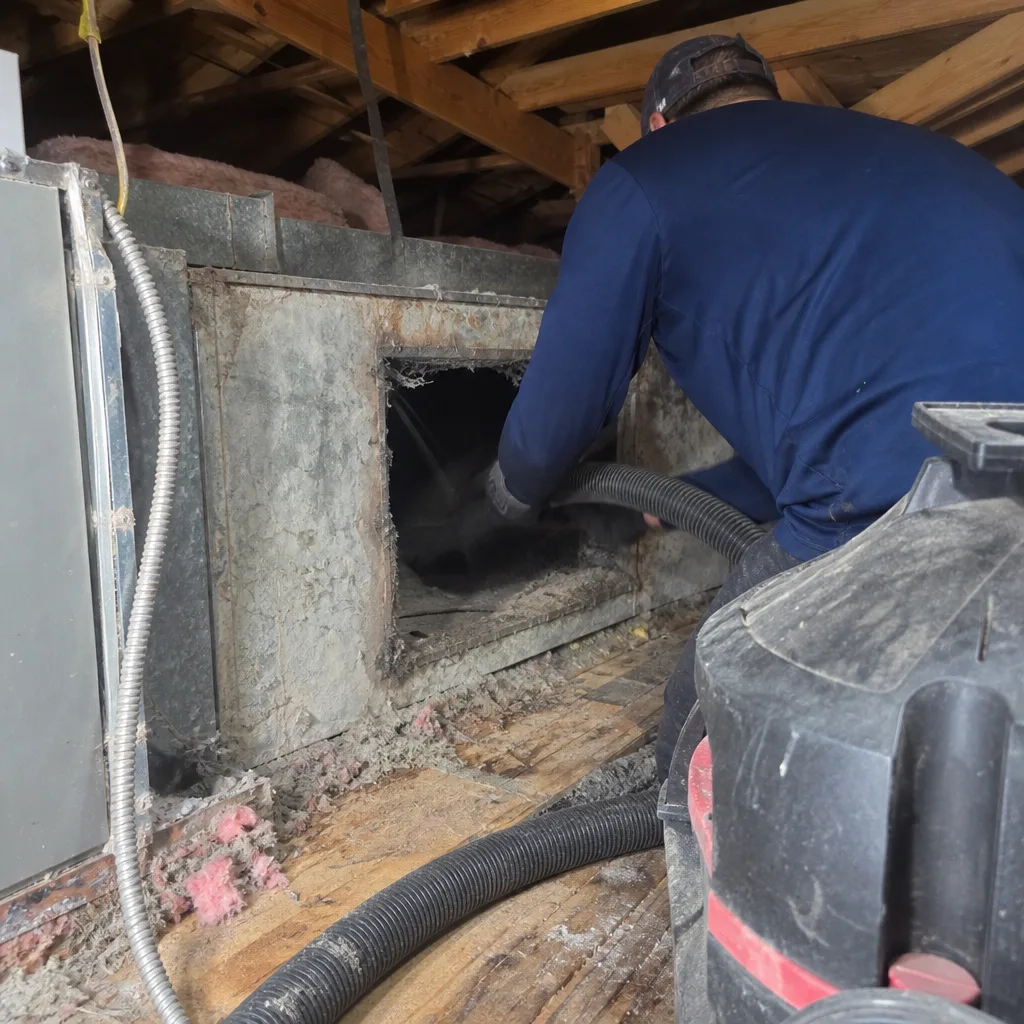 Before
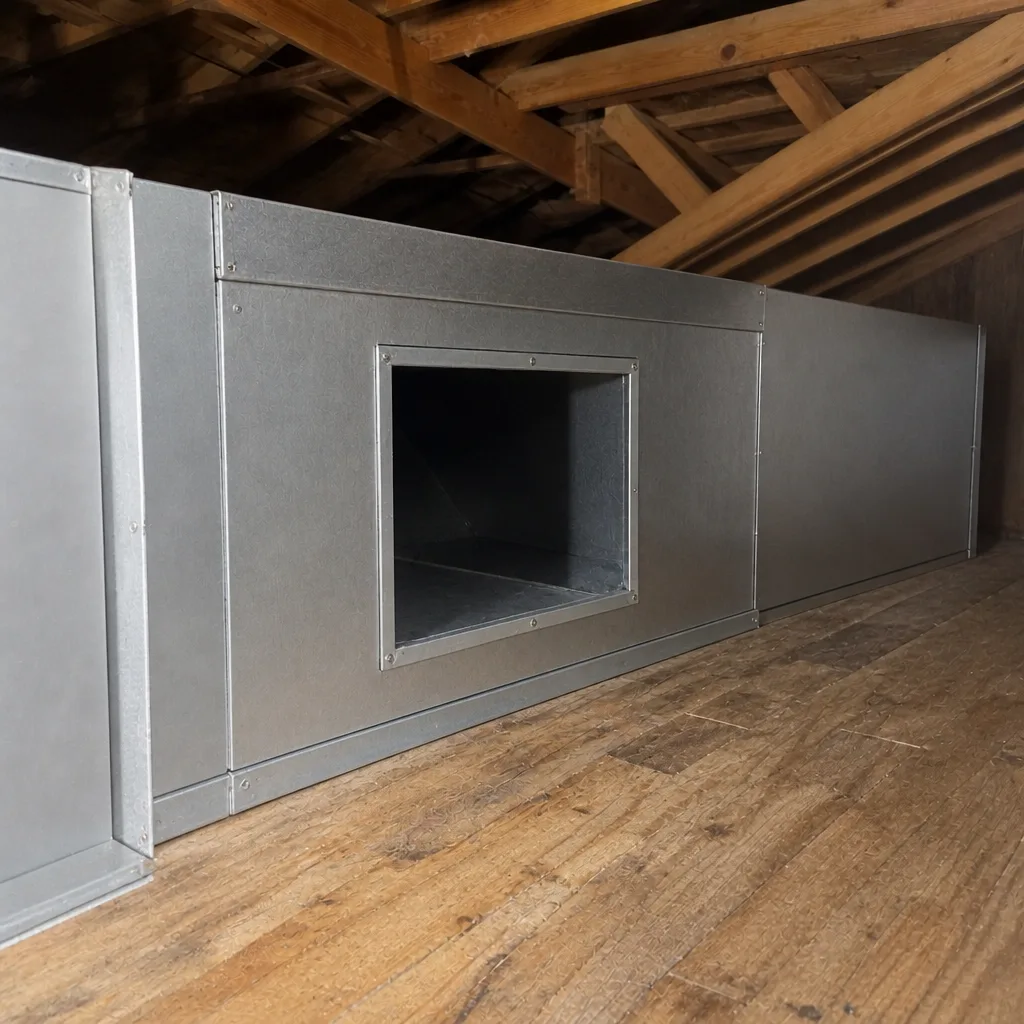 After
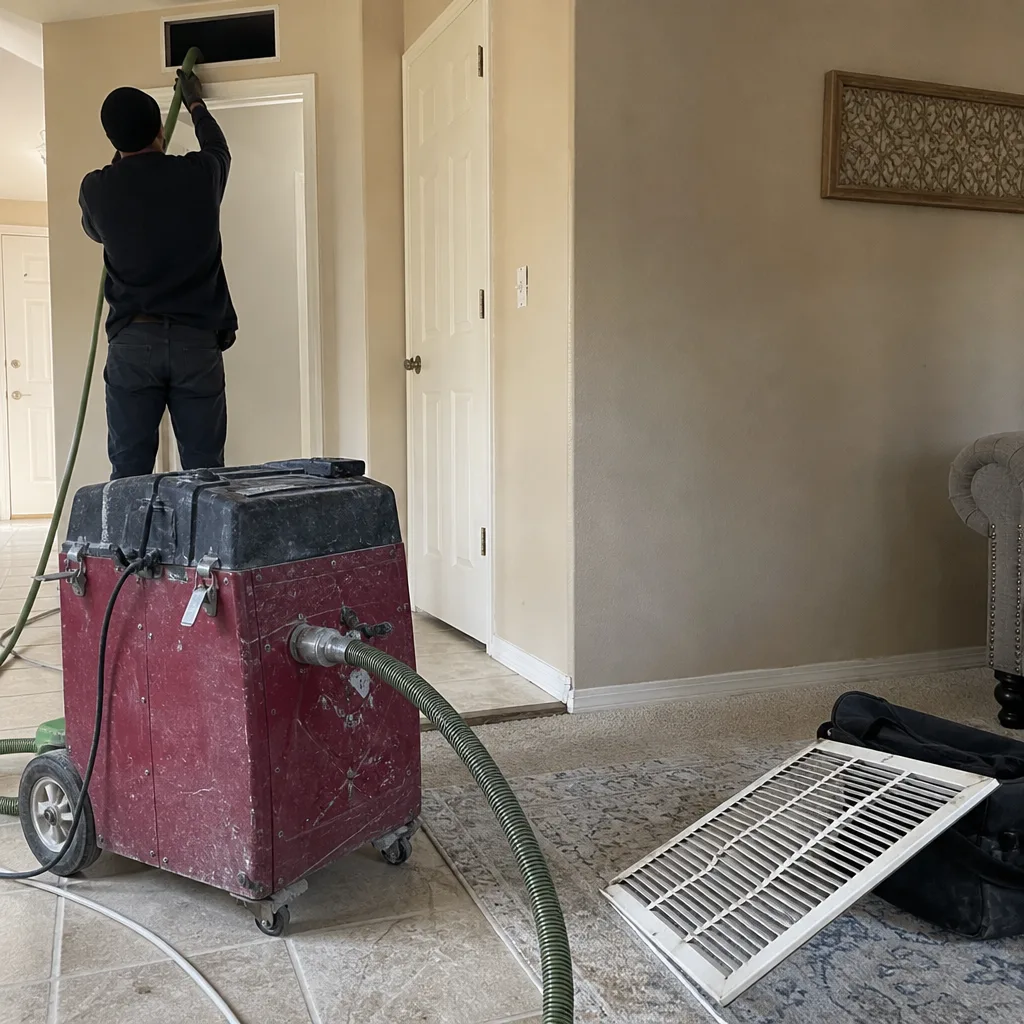 Before
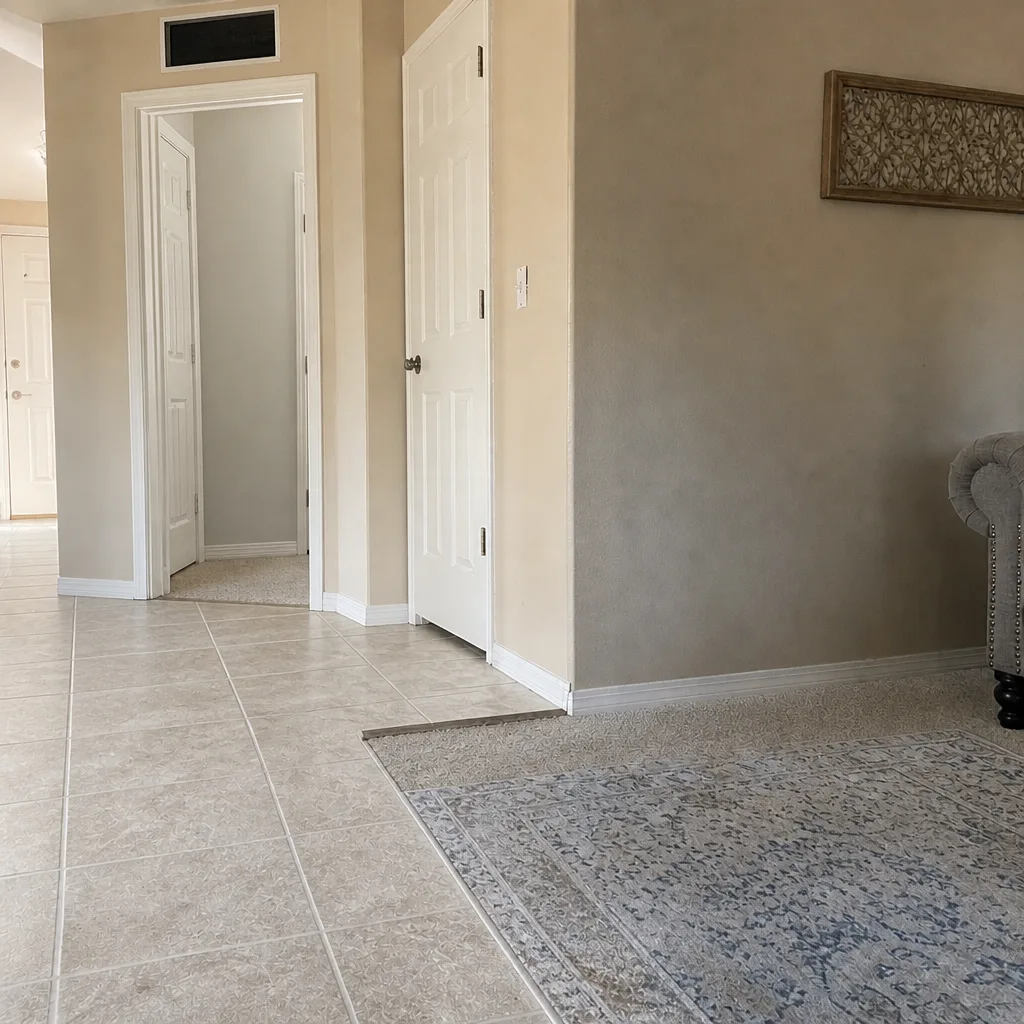 After
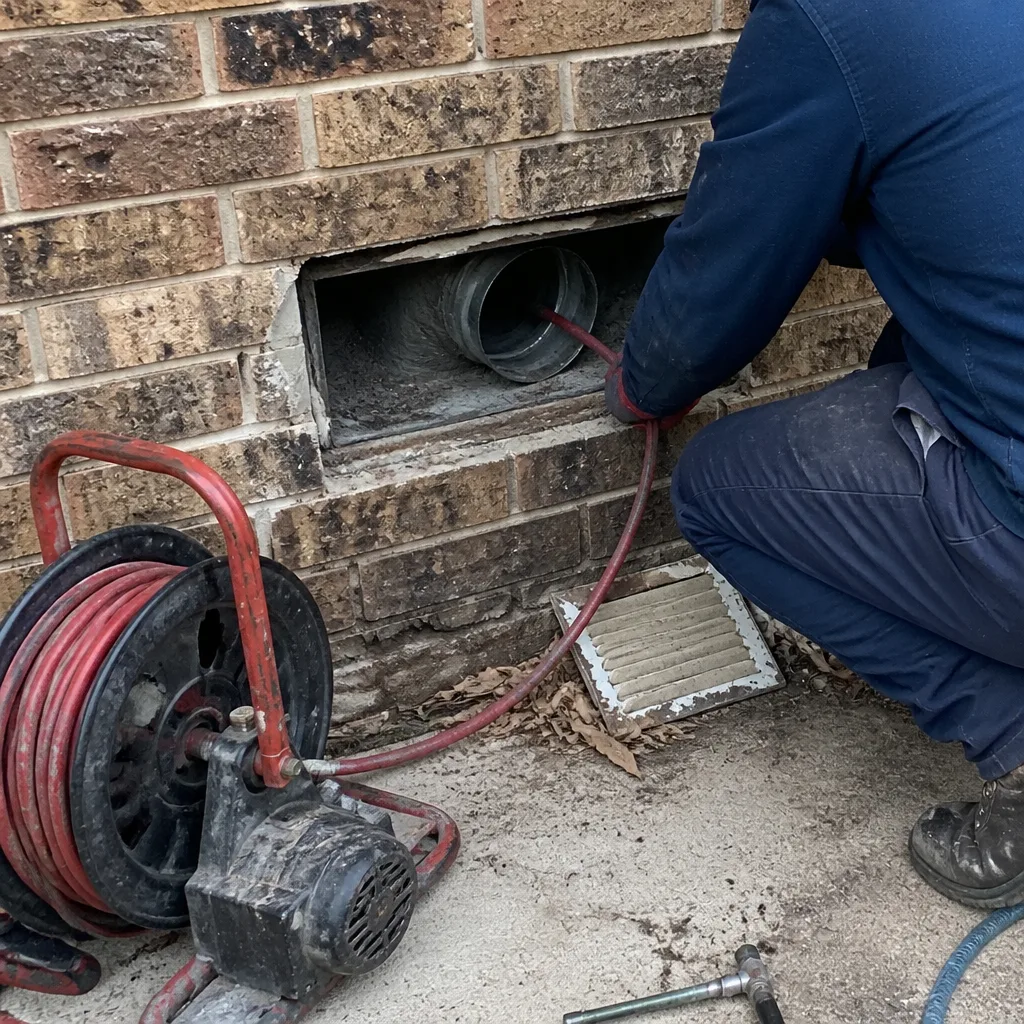 Before
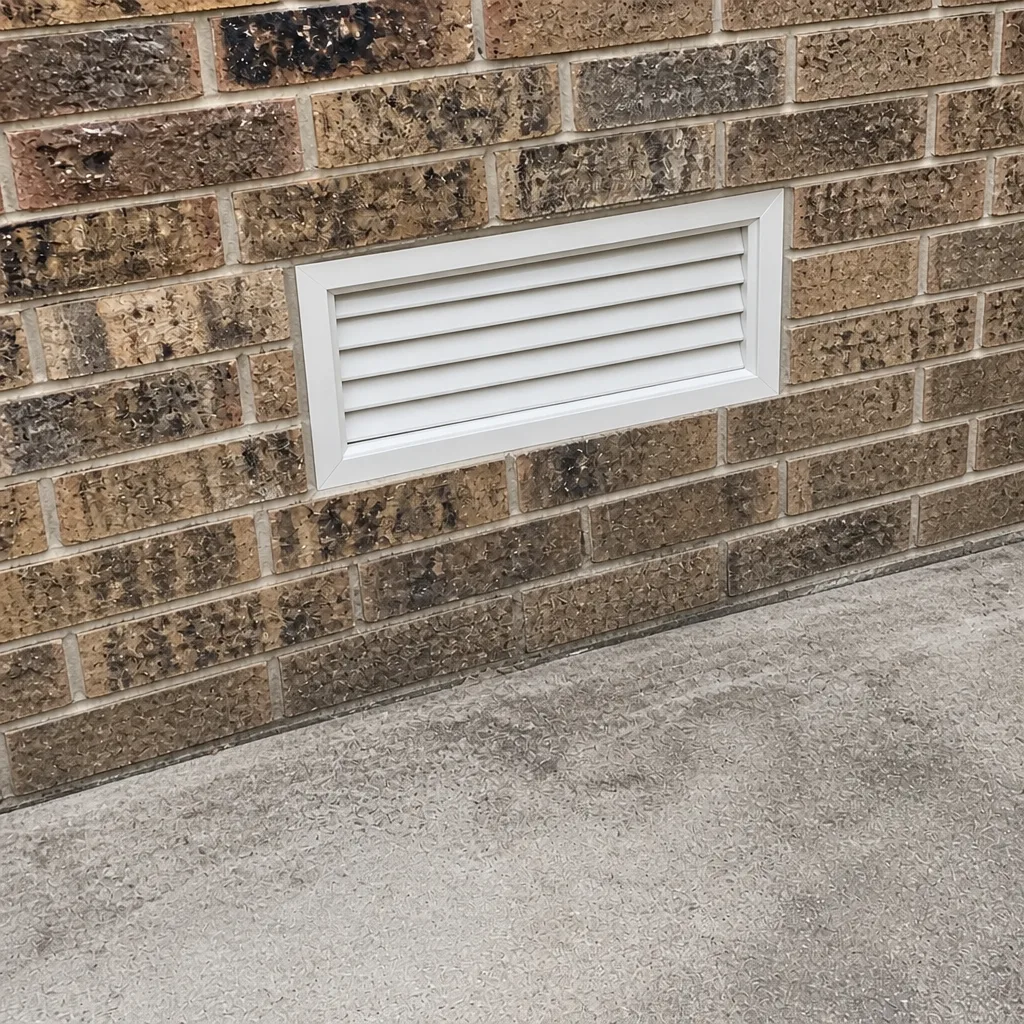 After
The Bottom Line
Two weather events dominate duct emergencies in Lubbock, and they need different responses. Dust storms are about the first hour (shut the system off) and the first 48 hours (get the ducts assessed). Flooding is about the first three days, because slab-embedded ductwork can be growing microbial contamination while the house looks dry. In both cases, the difference between a recoverable system and an expensive one is documentation and timing. Porous duct that has been wet for days needs replacement; sheet metal that was cleaned promptly usually doesn’t. Professional HEPA extraction with negative-air capability for the tough jobs, before-and-after photographs of the duct interior, and a claim-ready report for the insurer are not luxury add-ons – they’re what makes the response verifiable. Preparedness is a filter upgrade and a shutoff protocol. Response is a call.
Get a Free Estimate
If a storm just came through your Lubbock home and you want a straight answer about whether your ducts need work, call (833) 958-4715 for a free estimate. We answer 24/7. Fast dispatch from 7am to 7pm, Sunday through Friday. Our technicians run contractor-grade equipment – Rotobrush rotary cleaning, Nikro HEPA extraction, and Abatement Technologies negative-air gear for elevated contamination – and every job starts with a written estimate at one flat price per system, not a per-vent rate. You’ll get before-and-after photos of your own ducts so you can see what you paid for. See the full scope of what we do at Duct Cleaning Lubbock.
Written by the team at Duct Cleaning Lubbock.