
Last updated November 15, 2026
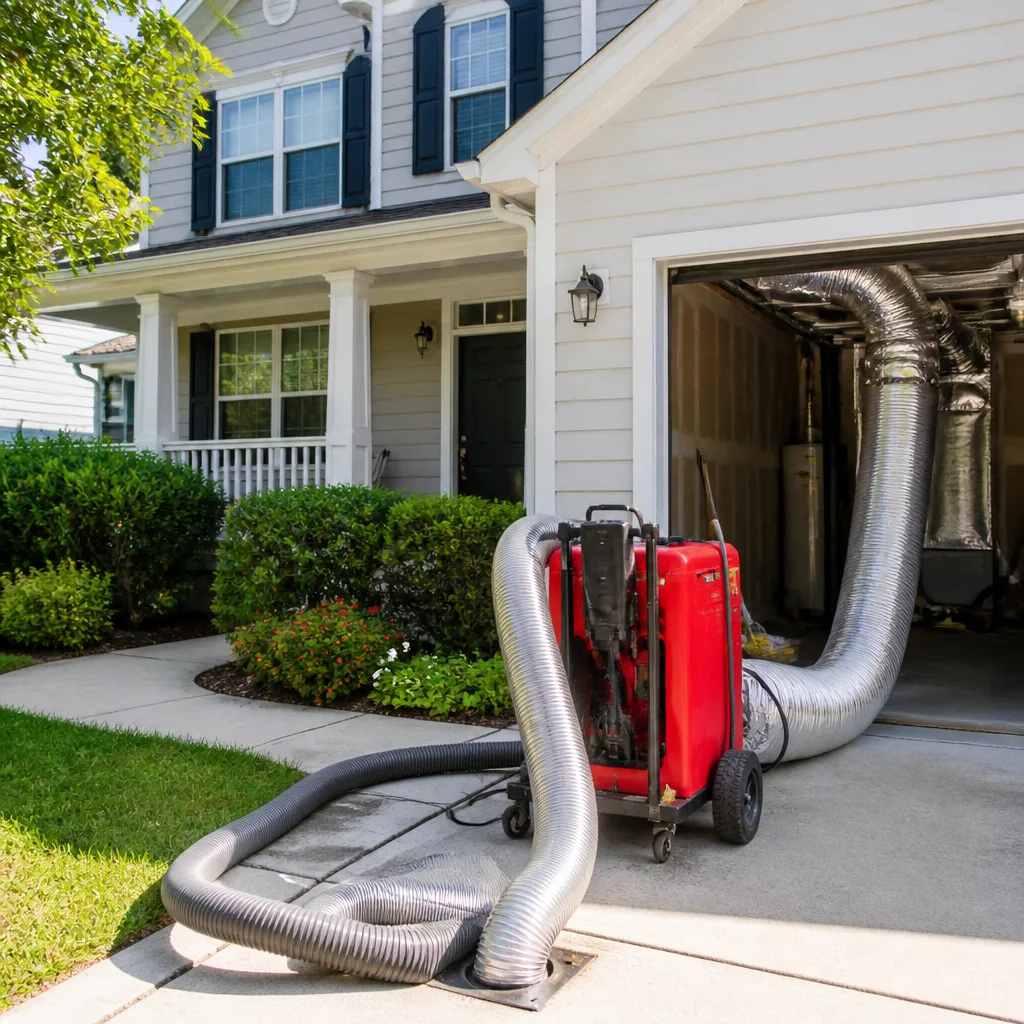 Whole-home duct cleaning
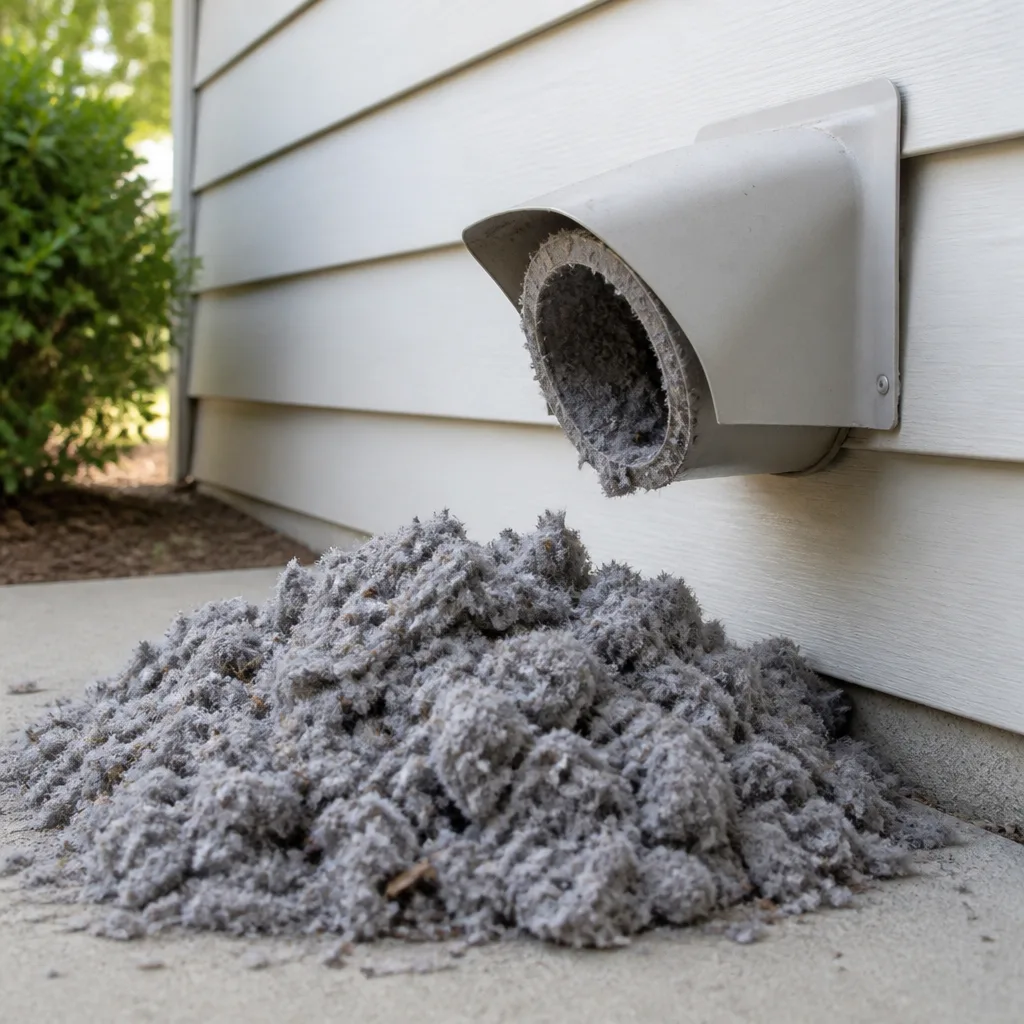 Dryer vent cleaning
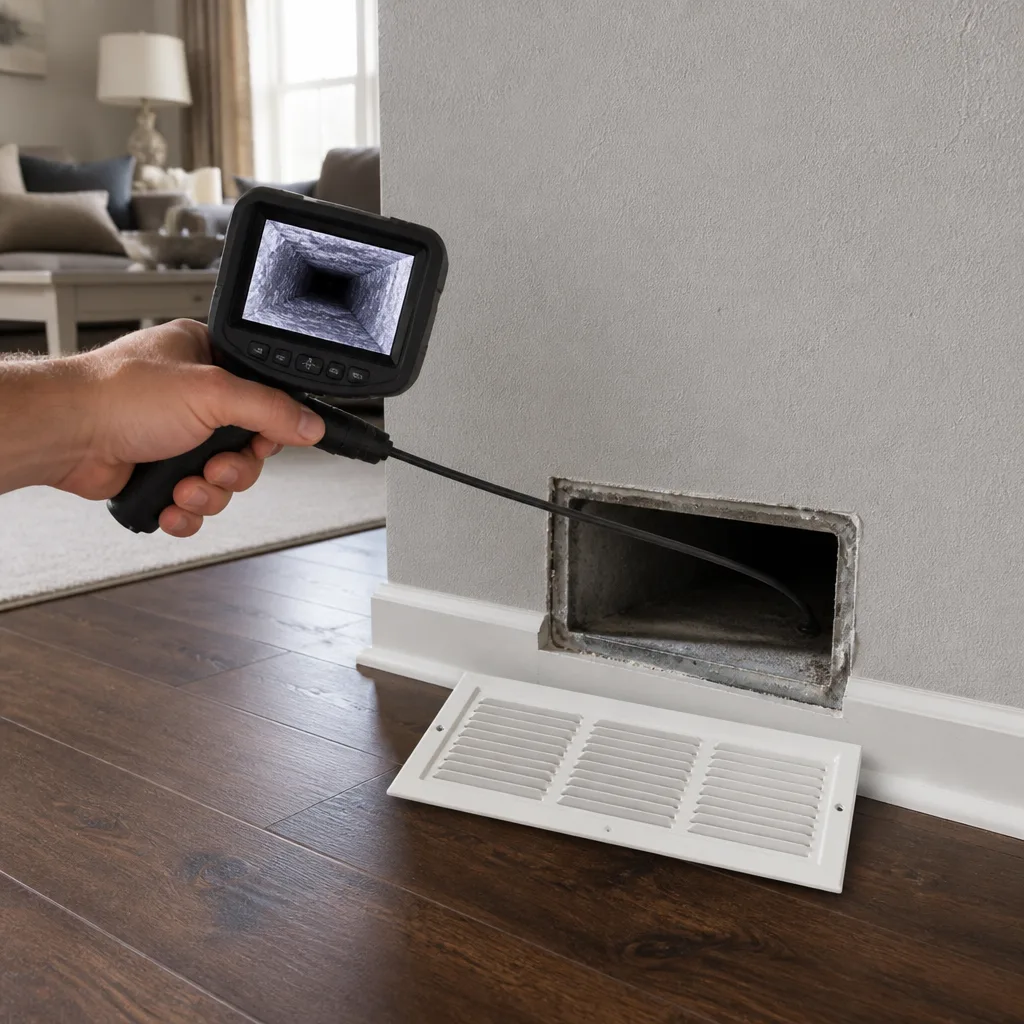 Camera inspection
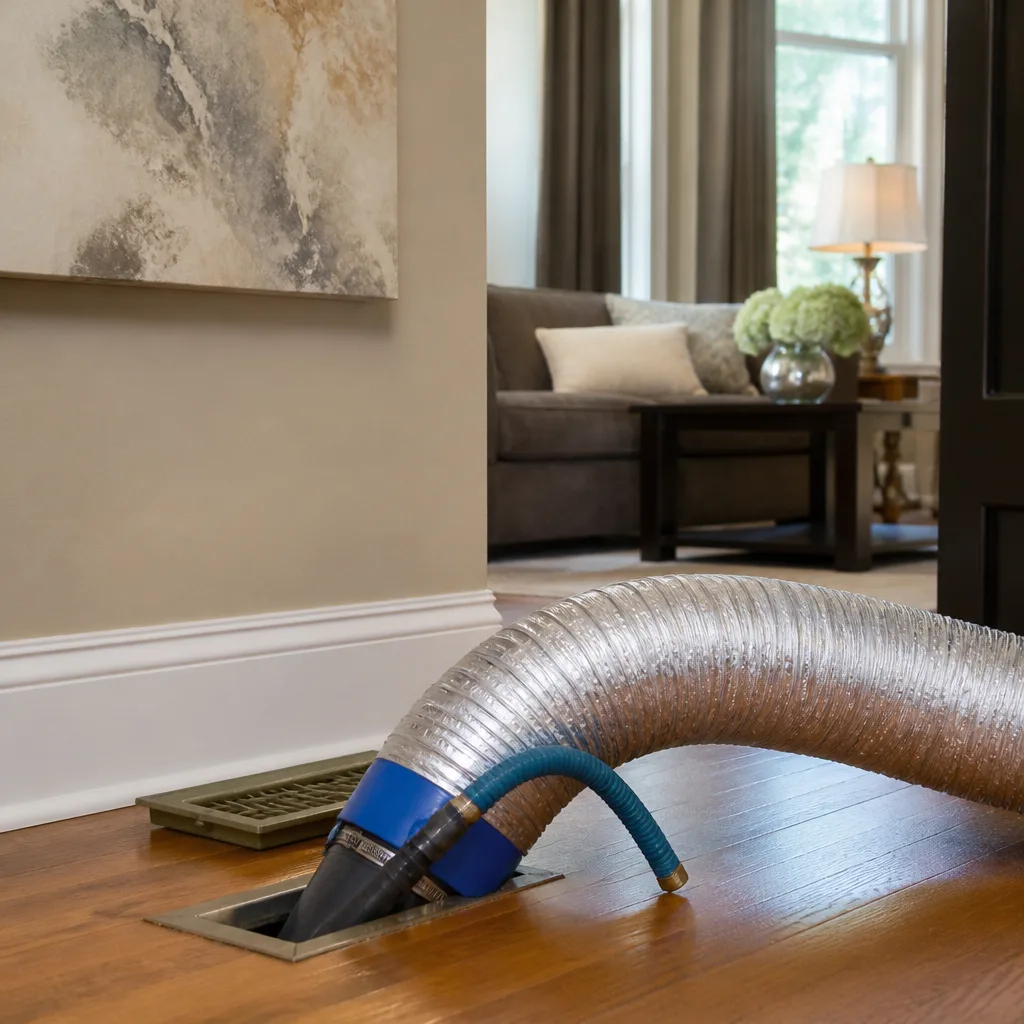 Sanitizing & deodorizing
Whole-system duct and dryer vent check with before-and-after photos - you see exactly what came out of your vents
That "$99 whole-house special" is a bait ad - the real number appears once they are in your hallway, or the "clean" is a shop-vac at the register. We photograph the inside of your ducts before and after instead.
Air Duct Cleaning Maintenance Schedule: What to Do and When
Most homeowners in Lubbock have been told the same number so many times it sounds like physics: clean your ducts every three to five years. It’s a national benchmark, and it’s a reasonable starting point. But it was never calibrated for the Llano Estacado, where spring wind carries fine caliche dust for weeks at a stretch and a home runs its air handler through a long, hot cooling season that keeps particulate moving for months on end. In our experience, the same house here can load its return side at more than twice the rate of a comparable home in a low-dust metro. A fixed interval ignores that. This guide replaces the calendar rule with a variable-interval framework built around your pets, your filter grade, your duct material, your home’s age and your recent renovations. You’ll leave knowing how to build a real schedule, how to inspect on your own, and when a filter swap is enough versus when the system needs actual mechanical cleaning.
Quick Answer
There is no single correct interval. Build yours from four inputs: pet load, filter grade, duct material and recent renovation or construction. A pet-free home with a well-sealed rigid duct system and a properly changed filter can stretch to five years between professional cleanings. A high-shedding-pet household with flex duct and a thin fiberglass filter may need assessment every twelve to eighteen months. In Lubbock, use two seasonal checkpoints, one after spring dust season and one after the peak-runtime summer, to decide whether the interval needs to move up or back.
Styles & brands we work with
- Whole-home duct cleaning
- Dryer vent cleaning
- Camera inspection
- Sanitizing & deodorizing
Table of Contents
- Why the 3-to-5-Year Rule Doesn’t Fit Every Home
- The Four Variables That Set Your Interval
- Lubbock Seasonal Checkpoints: Post-Spring Dust and Post-Summer Runtime
- Maintenance Inspection vs. Full Mechanical Cleaning
- What Filter Maintenance Between Cleanings Can and Can’t Do
- Diagnostic Signs That Your Schedule Is Behind
- How to Keep a Duct Maintenance Log That Helps
- Building Your Written Schedule: A Step-by-Step Plan
Why the 3-to-5-Year Rule Doesn’t Fit Every Home
The three-to-five-year number exists because it’s a safe middle for a hypothetical average home. It assumes average dust, average pet load, an average filter changed on something like an average schedule, and a climate that spends part of the year with the windows shut. That average home doesn’t really exist. Every home we assess is a different combination of inputs, and those inputs compound.
Duct contamination happens because particulate enters the system and settles where airflow is low. Dust comes in through return grilles, through gaps at joints and seams, and through the air handler itself when the filter is wrong or dirty. Once inside, particles plate out on duct walls, especially on the last few feet before a supply register where the air slows down. That’s why a duct run can look clean at the trunk and heavily loaded at the branches. It’s also why the rate of accumulation depends entirely on how much particulate gets in and how much air moves through to keep it moving.
Consider how the formula shifts here. Lubbock sits in a semi-arid region with frequent spring wind events and a fine, powdery soil that stays airborne easily. A single-return home with a MERV-8 filter and a shedding dog is on the aggressive end of the curve. A pet-free home with a MERV-11 filter changed on schedule, rigid metal ductwork and a fresh, well-sealed system is on the slow end. Putting both homes on the same three-to-five-year treadmill means one gets cleaned too often and the other doesn’t get cleaned in time.
Home age matters too, but in the opposite direction from what most people expect. Newer homes tend to have tighter envelopes, which is good for energy bills, but during the first couple of years after construction they also release construction dust and off-gassing residue that finds its way into the duct system. Older homes have more joint gaps and more opportunity for unconditioned attic air and its dust load to be pulled inside. Neither is a reason to panic. Both are inputs to the schedule.
- If your home is heavier than average on pets, dust ingress, or recent renovation, move the interval forward (shorter).
- If your home is lighter than average on those inputs and has good filtration, move the interval back (longer).
- If you’re not sure, a maintenance inspection resolves the question in one visit rather than guessing.
The Four Variables That Set Your Interval
Of every factor we look at, four drive the schedule more than the rest. Learn to gauge your own home on each one and you’ll have a rough interval in about ten minutes.
1. Pet Load
Pet dander and pet hair are the single most underrated accelerator of duct contamination. Dander is fine and travels with the air, and hair binds particulate into larger clumps that settle in low-flow sections. One cat or one large double-coated dog in a home with carpet and a low-grade filter can cut the interval roughly in half compared to the same house without the pet. Two or more pets plus carpet plus a thin filter puts the home on the fastest track we see.
2. Filter Grade and Filter Discipline
The filter is the only barrier between the return side of your home and the coil and ductwork downstream. A MERV-8 filter is common and adequate. A higher MERV filter captures more, but only if your blower can pull through it without strain, and only if it’s changed before it loads up. A dirty filter is worse than a cheap filter changed often, because a clogged filter drops efficiency and lets the bypass dust around its edges settle into the return plenum. Ask yourself honestly: when did you last change it? If you can’t remember, the schedule belongs on the front end of the range.
3. Duct Material
Rigid sheet metal ductwork is smooth and stays cleaner longer. Flex duct has ridges and ribs that trap particulate, and it often sags in attic runs where it can pinch airflow and create a settling zone. Ductboard, which has an exposed fibrous interior surface, holds particulate the most aggressively and is the most difficult to clean thoroughly. Flexible and ductboard systems move the interval forward, and they also make a professional cleaning more consequential, because the debris that settles in them isn’t coming out in a shop-vac pass. Dedicated rotary equipment is what actually reaches those surface irregularities. That’s why we run air duct cleaning with a Rotobrush rotary system rather than anything a homeowner can rent.
4. Home Age and Recent Work
Recent renovation is the fastest interval-shortener there is. Drywall dust, insulation fibers, sawdust and construction debris can settle into an open duct system within days. If your return grilles weren’t capped during the work, assume the system has a load in it and schedule an assessment right away, not in five years. Home age itself matters less than the pattern of events: new construction, big renovations and any HVAC reconfiguration all push the schedule forward. A settled, untouched home with a mature system can move the schedule back.
Lubbock Seasonal Checkpoints: Post-Spring Dust and Post-Summer Runtime
Instead of watching the calendar for a fixed-year milestone, mark two checkpoints a year in Lubbock. Each one is a decision point, not necessarily a cleaning appointment. The vast majority of homes pass the checkpoint and get booked for later. The point is that you made the call based on the system’s actual condition rather than a national average.
Checkpoint One: After Spring Dust Season
Spring in Lubbock means wind and blowing dust. Once the windy stretch tapers off, typically by late spring, walk the house and do a quick condition check. Open a couple of return grilles and shine a light down the duct if you can. Look at the filter. Listen to the system. This isn’t the time to assume cleaning is needed; it’s the time to gather data. If the filter is loaded and the return plenum has visible dust plating, move your interval forward by a season. If everything looks settled, note it in your log and revisit after summer.
Checkpoint Two: After Peak Runtime
Summer is when the air handler runs longest and hardest in Lubbock, and every hour of runtime moves air through the duct system. That means summer is also when the system picks up the most particulate and when filtering matters most. Once the heaviest cooling months are behind you, do the second condition check. Two questions: has the filter been changed consistently through the summer, and is the system’s airflow noticeably weaker than in spring? If the filter has been maintained and airflow is normal, the system is likely fine. If airflow has dropped, or if dust streaks are visible at supply registers, that’s the diagnostic moment. See Lubbock for local dispatch and scheduling details if you want a second set of eyes.
- Post-spring (late spring): inspect returns, check filter, log observations.
- Post-summer (early fall): compare airflow to spring baseline, check register dust, log observations.
- Any checkpoint that flags a problem: book a maintenance inspection, not necessarily a full clean.
- No flag at either checkpoint: keep the schedule, revisit at the next checkpoint.
Maintenance Inspection vs. Full Mechanical Cleaning
This is where a lot of money gets wasted. Maintenance inspection and full mechanical cleaning are two different services, and one does not substitute for the other. A good technician will tell you which one your system needs at that moment. We will, because a home that doesn’t need cleaning shouldn’t be charged for it.
What a Maintenance Inspection Is
A maintenance inspection is a visual and airflow assessment. It typically includes opening a representative sample of return and supply registers, looking into accessible duct runs, checking filter condition and fit, checking supply airflow and static pressure if the technician’s equipment can take it, and noting whether there’s visible debris accumulation, moisture or pested intrusion. It takes much less time than a cleaning, and it answers a simple question: does the system have a load in it that warrants cleaning right now? If yes, you book the clean. If no, you log the result and go on with your year.
What a Full Mechanical Cleaning Is
A full cleaning is a machine-driven operation. Every supply and return branch is disconnected at the register, a negative-air vacuum is attached to the main trunk, and a rotary brush or air whip is run through each branch to agitate and lift the settled debris. The vacuum captures what’s loosened. That’s the difference between a real cleaning and a blow-and-go job: the debris is being removed, not stirred into the house. We run Nikro HEPA-filtered vacuum equipment on every job for exactly that reason, and when a system shows heavier contamination, Abatement Technologies negative-air equipment is used to keep the work area under control while the cleaning proceeds. This is contractor-grade equipment, and it operates on residential systems at residential scale.
When Each Is Appropriate
- Inspection is appropriate if the system has been cleaned before, airflow feels normal, filter discipline is good and no obvious dust is visible at registers.
- Cleaning is appropriate if the system has never been cleaned, if you’ve had significant renovation, if airflow has dropped noticeably, or if visible dust is present at multiple supply or return registers.
- Both are appropriate in the same visit when an inspection turns up a load the homeowner didn’t know was there. A well-run company will quote the clean before the work starts and give you a single flat price for the system.
One more thing worth saying plainly: the ducts are part of a whole air system, and other components attached to that system (the coil, the blower wheel, the cabinet, and any Honeywell or Aprilaire air quality components in line) also need attention over time. It doesn’t help to clean a duct system if the humidifier pad is clogged or the UV lamp is out. We service Honeywell and Aprilaire air quality platforms for that reason: cleaning and air quality are one conversation, not two.
What Filter Maintenance Between Cleanings Can and Can’t Do
Filter maintenance is the single highest-leverage thing a homeowner can do to extend the interval between professional cleanings. It’s also the most misunderstood part of the schedule. Here’s the honest version.
What It Can Do
- Substantially reduce the rate at which particulate enters the duct system.
- Protect the evaporator coil and blower wheel from the heavier fraction of dust.
- Keep airflow closer to design, which is what keeps the system efficient and comfortable.
- Make the debris that does enter the ducts lighter, easier to move and easier to remove when cleaning does happen.
What It Can’t Do
- It can’t clean ducts that are already loaded. A new filter doesn’t lift debris that’s already plated on duct walls.
- It can’t compensate for bypass. If the filter frame has gaps, air goes around the filter rather than through it, and no amount of MERV rating helps.
- It can’t catch the ultrafine particles a residential filter isn’t rated for, which is part of why a periodic full cleaning still matters.
- It can’t restore duct material that’s been degraded by moisture or pests. If damage is present, the fix is a repair, not more filtration. We offer air duct repair as a standalone service precisely because we see this often.
Here’s what we see in Lubbock specifically. Homes that keep a MERV-8 or MERV-11 filter changed every one to three months, checked every month during heavy dust events, stay materially cleaner on the return side. Homes that let the filter ride past six months during spring dust season end up with a heavier load in the return plenum and a measurable airflow drop. The gap between those two homes isn’t the filter itself. It’s whether the filter is doing its job every day.
A Simple Filter Schedule
- Check monthly during spring dust season and the heaviest cooling months.
- Change every one to three months depending on pet load and observed loading. Err earlier if you can’t see through the filter to a light source.
- Check the filter frame fit at every change. Look for gaps that let air bypass.
- Write it down. A filter change not logged is a filter change half-forgotten by next season.
Diagnostic Signs That Your Schedule Is Behind
You’ll never regret an inspection that finds nothing. You will regret a cleaning that’s years overdue, once you understand what it’s been doing to your system. These are the signs that should move your interval forward immediately.
- Visible dust at supply registers. A light streak is normal. A visible dark plume at more than one register is a sign the branch runs are loaded.
- Airflow that feels weaker than it used to. Compare a register you know well to how it felt a year ago. If it’s noticeably softer, dirty ductwork or a dirty blower wheel is one of the first things to check.
- New allergy symptoms or a musty smell. You shouldn’t diagnose anything from this alone, but a noticeable change in how the house smells when the air handler starts is worth investigating. We don’t do mold remediation; what we can do is inspect, clean the ducts thoroughly, and tell you if we see something that needs a different trade.
- Recent renovation. If drywall, insulation or flooring work happened and the returns weren’t sealed, assume you’ve got a load and book an inspection.
- Pet hair visible at return grilles. If the return grille is fuzzy with hair every few weeks, the return plenum is being loaded at a fast rate.
- The system has never been cleaned. A duct system that’s never been cleaned in a home with pets and a thin filter has a load in it. An inspection confirms.
- Dryer taking two cycles to dry a load. This is a different system; read on under dryer vents below. Slow drying clothes point to lint buildup in the vent, which is both an efficiency issue and a fire-safety issue.
The Dryer Vent Is a Separate Schedule
We mention this in a duct cleaning guide because the two get conflated, and because the dryer vent is genuinely the higher-priority safety item. A dryer vent is the path lint takes out of the house. When it’s partially blocked, lint accumulates in the vent line, the dryer runs longer and hotter, and the fire risk climbs. Our dryer vent cleaning service addresses that. As a rule of thumb, have the vent assessed yearly if you dry heavy loads frequently, or sooner if you notice longer dry times or heat at the back of the dryer that wasn’t there before. Fire-safety is the reason this is on our service list; it’s not a convenience add-on.
How to Keep a Duct Maintenance Log That Helps
The single easiest thing to make a future diagnostic conversation more accurate is a one-page log kept with the HVAC paperwork. It doesn’t need to be complicated, and it doesn’t take more than five minutes a year to keep up. What it does is replace vagueness (“I think we changed the filter sometimes”) with a record a technician can actually use.
What to Log
- Date of every filter change and filter MERV rating.
- Date and outcome of the last professional cleaning or inspection, plus the company name and what was done.
- Any renovation or construction work in the home, with dates, and whether returns were capped.
- Notable airflow changes you noticed, with the date: “Supply in the back bedroom felt weaker starting April.”
- Any new pets, pest sightings, or plumbing/roof leaks that may have affected the system.
- Dryer vent service dates and any change in dry times.
- Filter frame fit observations (“gaps at the frame, fixed with foam tape”) if you’ve had to address bypass.
Why it matters: when a technician reads your log, they know whether the system had a recent clean, whether renovation happened since, and whether the last symptom was seasonal or ongoing. That closes the diagnostic loop much faster. It also lets a well-run company tell you “not yet” with real confidence rather than guesswork. A log that says “last cleaned two years ago, no pets, MERV-11 changed every two months, airflow normal” means you can book an inspection rather than a clean, and confirm. A log that says “never cleaned, two dogs, added a room in April” means the system needs a look now.
Building Your Written Schedule: A Step-by-Step Plan
Here’s the plan we’d recommend for a typical Lubbock home. Adjust the years for your own variables. Write it down and stick it to the inside of the HVAC closet door.
Step 1: Score Your Home
Score yourself one point for each of the following: one or more pets; a MERV-8 or lower filter; flex duct or ductboard; a home built or renovated within the last three years; a MERV-11 filter that isn’t changed every couple of months. Two or more points puts you on the front end of the clean interval. Zero or one point puts you on the long end.
Step 2: Set Your Baseline Interval
- Zero to one point: assess every 3 to 5 years. Most of these homes pass a spring and summer checkpoint without needing anything.
- Two to three points: assess every 18 months to 2 years. These homes are being loaded faster than the national average, and the inspection cadence should match.
- Four to five points: assess every 12 to 18 months. These are the homes where we often find a load in the system at the very first inspection.
Step 3: Write the Two Lubbock Checkpoints Into It
Note the two checkpoints (post-spring, post-summer) on your calendar. At each one, do the five-minute walk: filter condition, visible register dust, rough airflow comparison, log entry. If both checkpoints pass, you wait for the interval. If either flags, book an inspection.
Step 4: Handle the Dryer Vent Separately
Dryer vent assessment is on its own cadence, and it’s typically yearly in a home with significant laundry volume. Note it in the log.
Step 5: Do the Maintenance Between Visits
Change the filter, check the frame fit, and log it. That’s it. There are no other homeowner maintenance steps worth doing inside the ductwork. Anything that involves opening the trunk, reaching into branches, or trying to mechanically clean the inside of a duct should be left to a technician with the right equipment. For context on the full scope of what a professional service covers, see Duct Cleaning Lubbock for the service overview.
Common Mistakes to Avoid
- Following the three-to-five-year rule as if it were a law. It’s a national average and nothing more. In a high-dust environment with pets, it’s often too long. Set the interval from your actual inputs.
- Assuming filter changes eliminate the need for cleaning. A good filter slows accumulation; it doesn’t lift what’s already been deposited. Once a duct system is loaded, filtration doesn’t unload it.
- Booking a “cheap” cleaning that’s just a vacuum at a few registers. Real cleaning requires disconnecting the branches, attaching negative pressure at the trunk, and running a mechanical brush through each run. Ask what equipment will be used and whether the debris is being captured. If the answer is vague, keep calling.
- Ignoring a recent renovation. Drywall dust and insulation fibers settle into the ducts quickly. If returns weren’t capped during the work, don’t wait out a multi-year interval; get an inspection in the next month.
- Neglecting the dryer vent because it’s not the AC. A dryer vent is a fire-safety item, and treating it like an optional convenience is the wrong priority order. Address it annually and immediately if drying times have grown.
- Trusting a filter frame you haven’t looked at. Bypass around a filter is one of the most common causes of a loaded return plenum in an otherwise well-maintained home. It takes a minute to check.
- Not keeping a record. Without dates, a technician is guessing, and so are you. Five minutes of logging per year saves hours of diagnostic work later.
See the difference
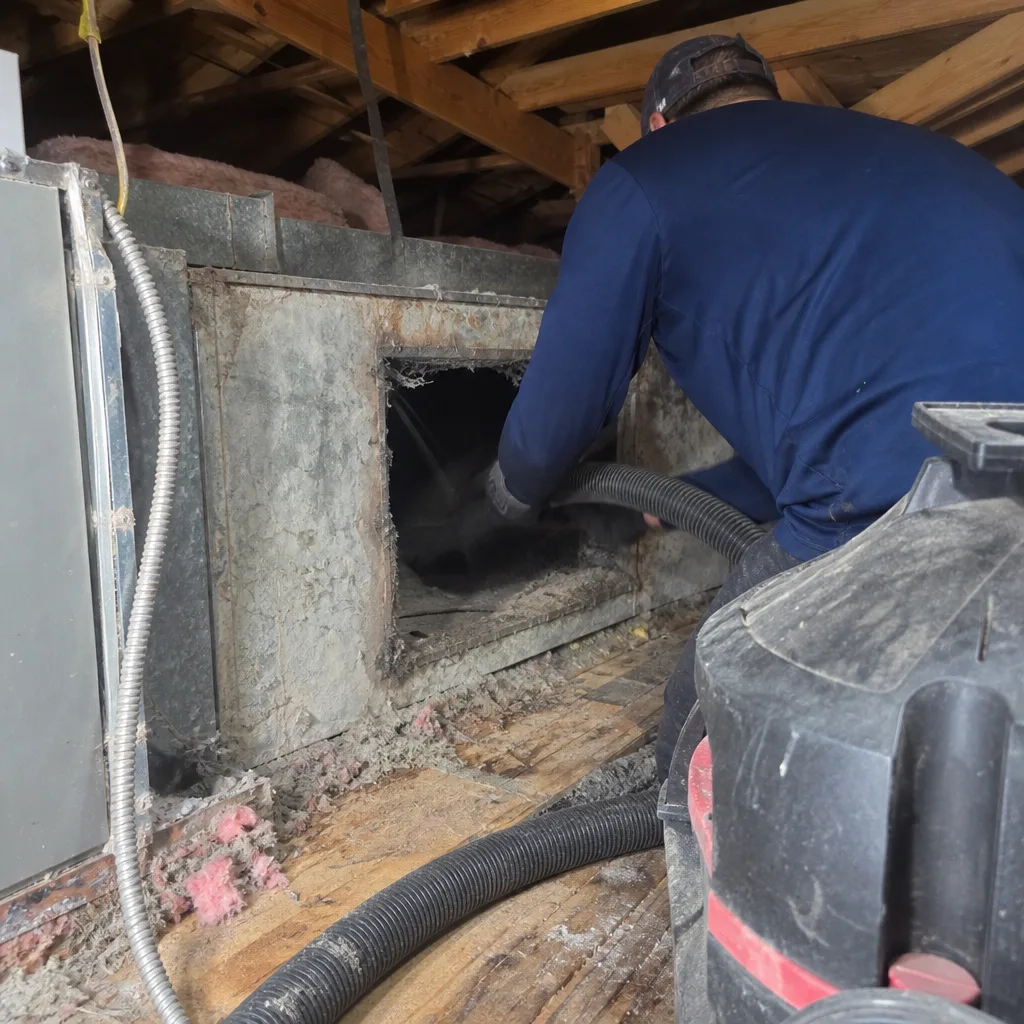 Before
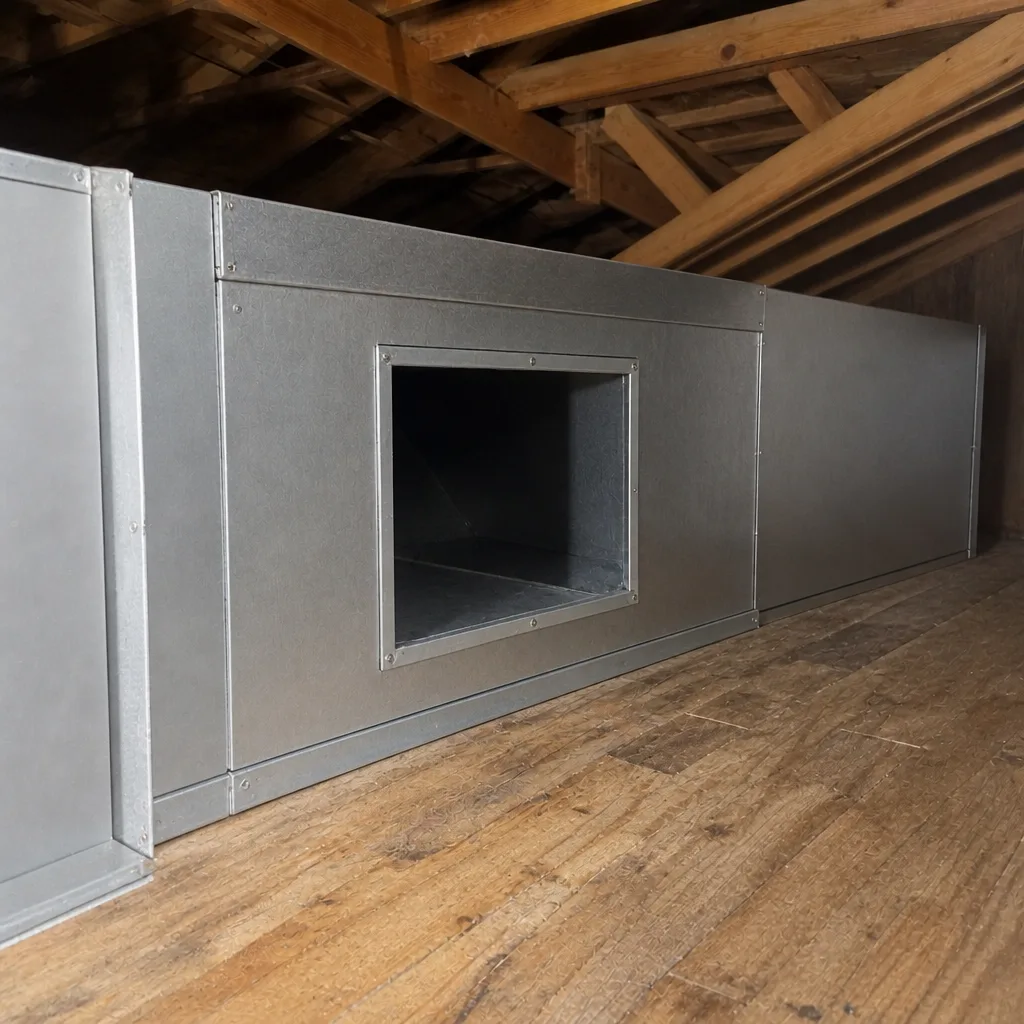 After
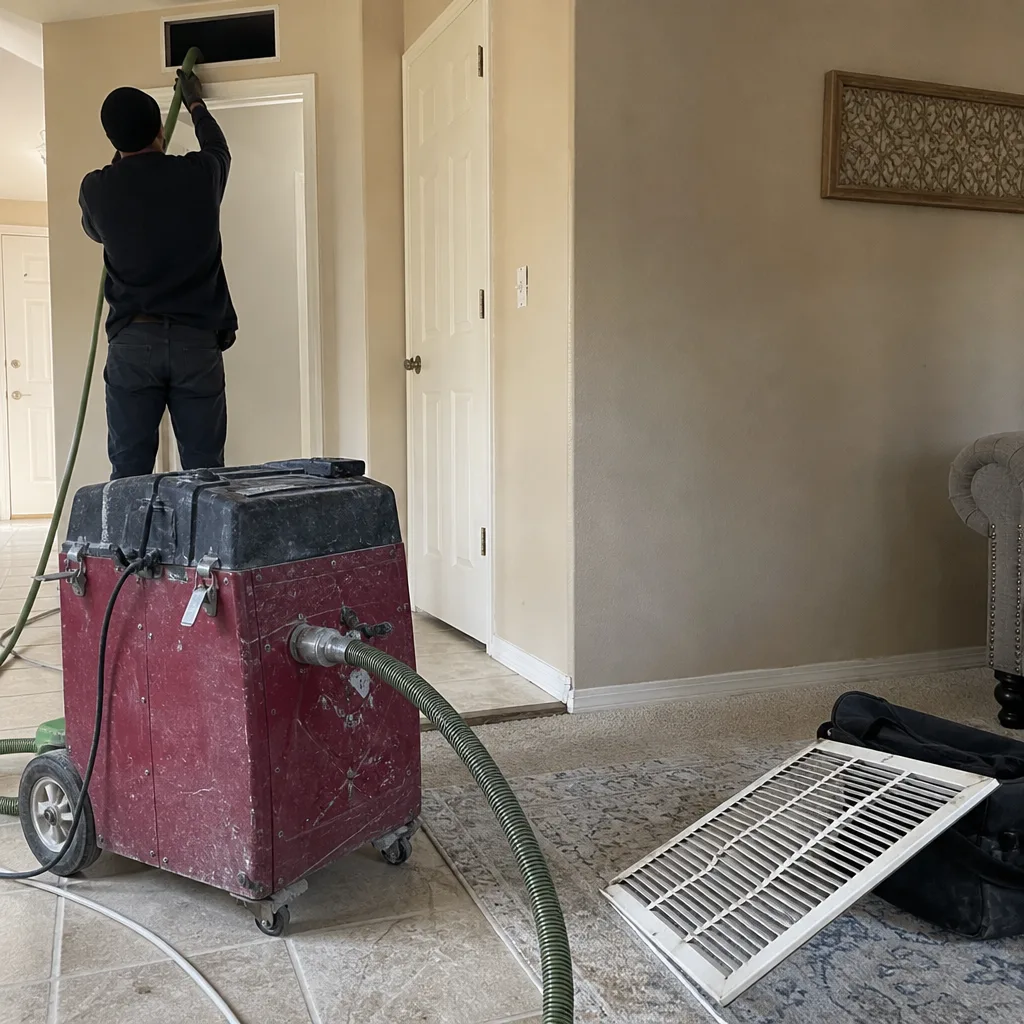 Before
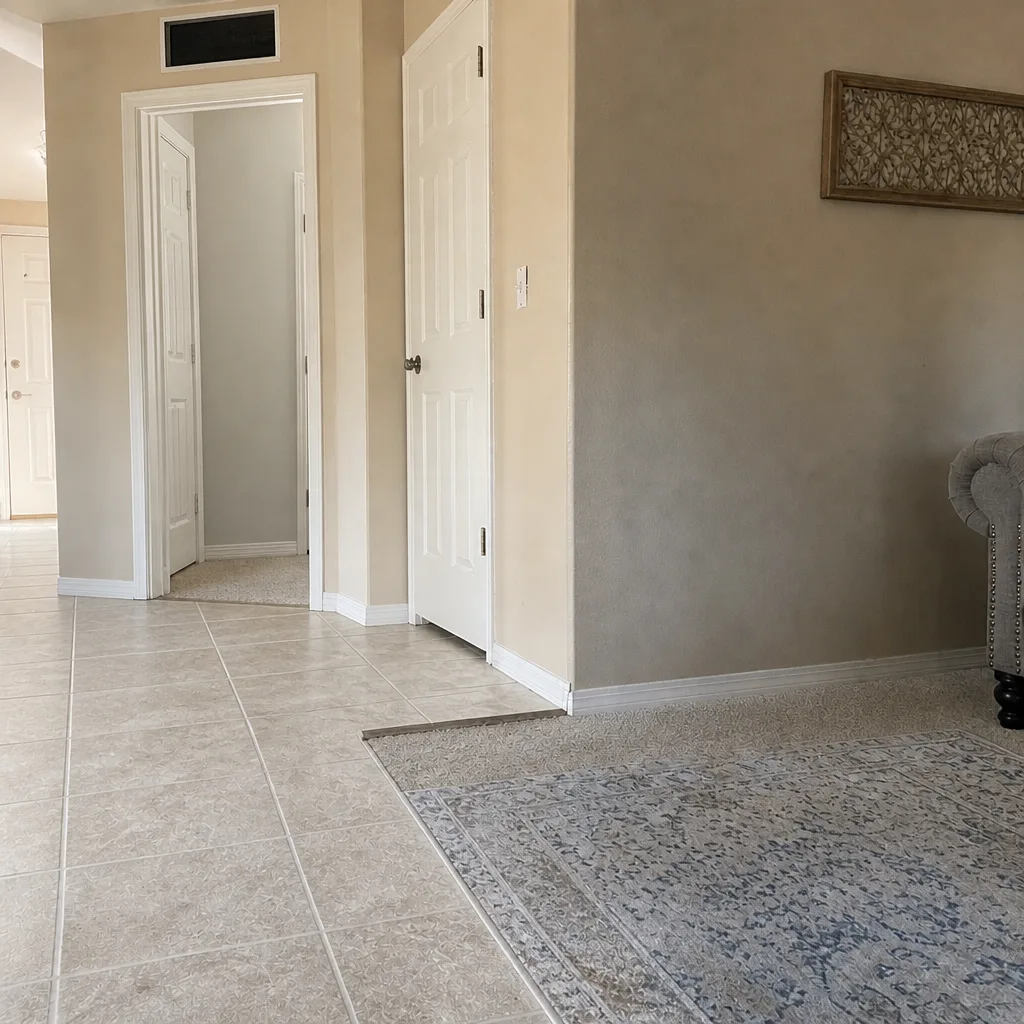 After
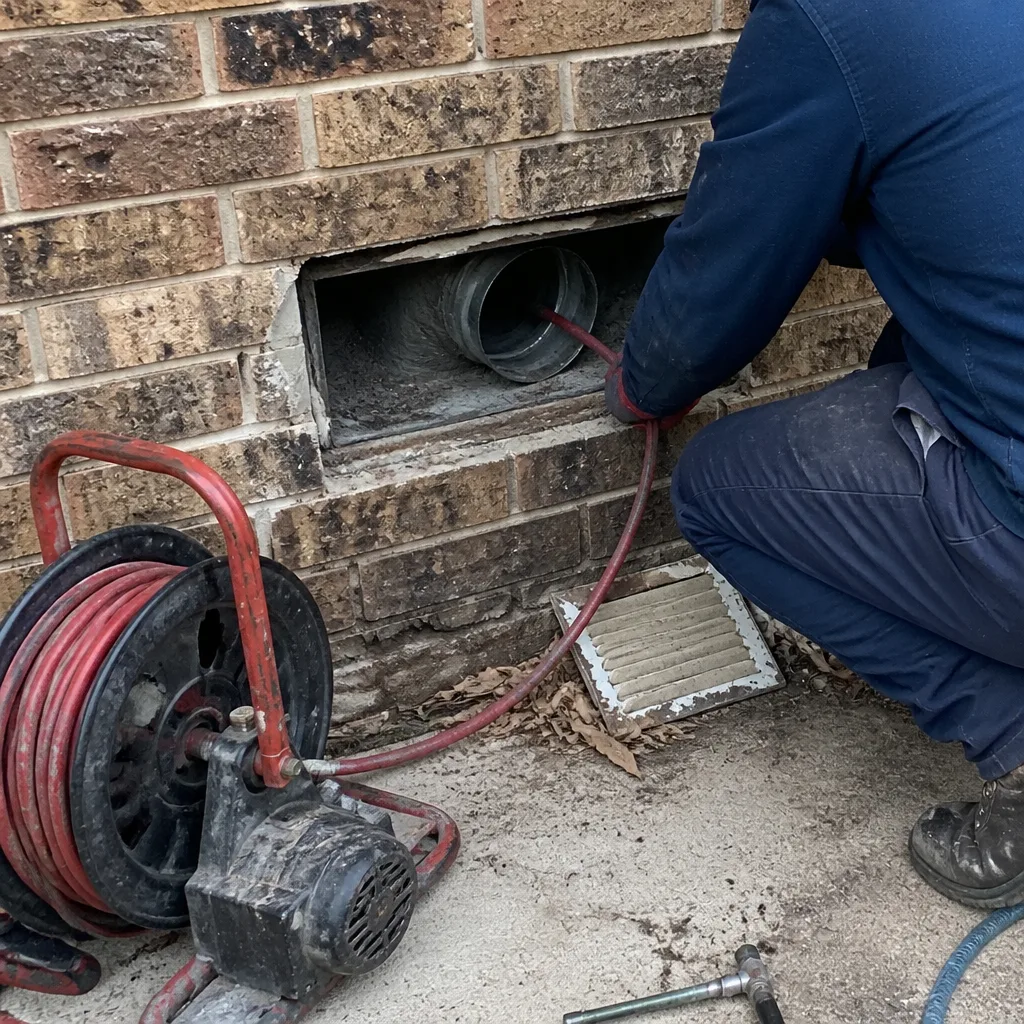 Before
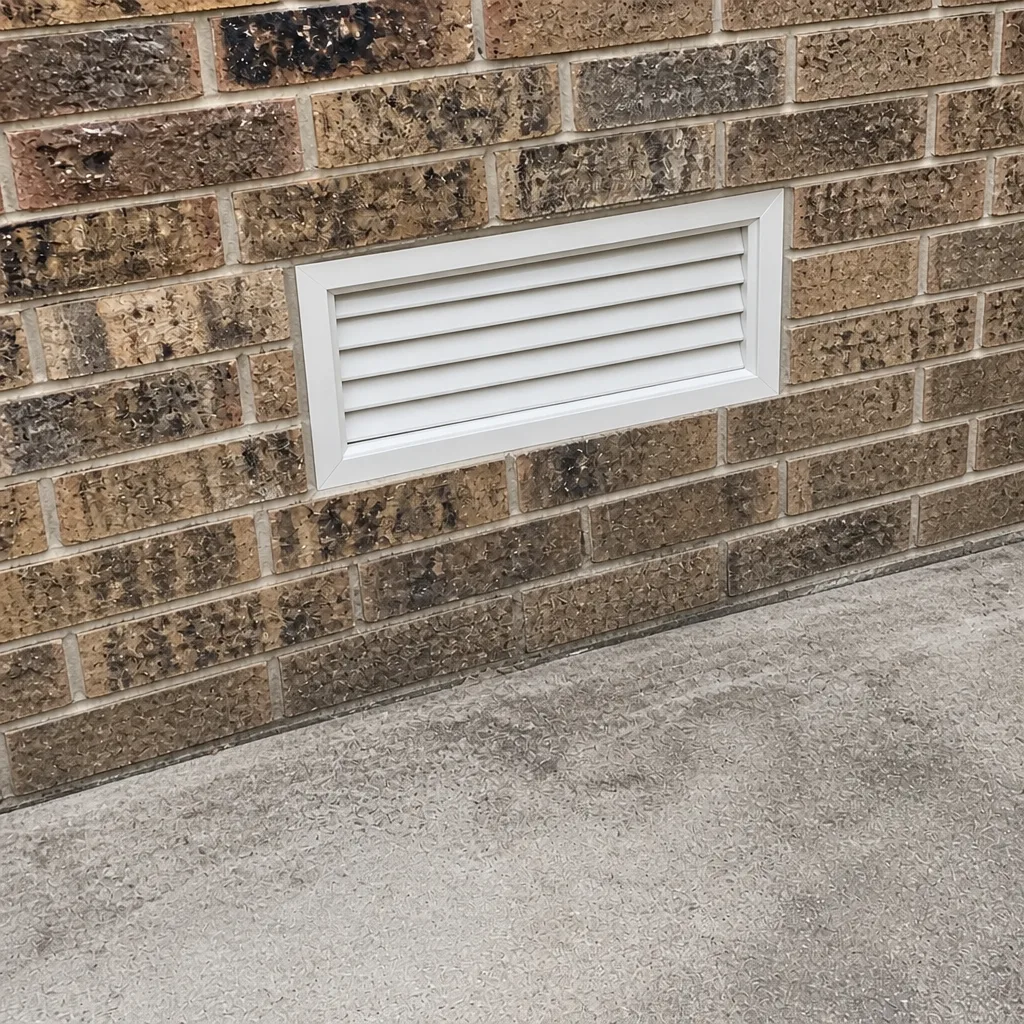 After
When to Call a Professional
Call a professional when the situation is diagnostic rather than maintenance. Specifically: when airflow has noticeably dropped and stayed down; when visible dust plumes at supply registers; when a big renovation just finished with returns open; when a pet has been added and the filter is loading fast; when the dryer is taking longer and the vent hasn’t been serviced; when a duct joint has separated in the attic or a flex run has torn. It’s also worth calling when nothing is wrong but you want a baseline before you start a real maintenance schedule. A short maintenance inspection gives you the answer, and if cleaning isn’t needed, we’ll tell you so.
Duct Cleaning Lubbock offers free estimates in Lubbock for these situations, and every job is priced as one flat rate per system, agreed before work starts, with before-and-after photos of your own ducts. Call (833) 958-4715. We answer 24/7. Fast dispatch from 7am to 7pm, Sunday through Friday.
Frequently Asked Questions
Most Lubbock homes should be assessed every 18 months to 3 years, with the actual cleaning interval depending on pet load, filter grade, duct material and recent renovation. A pet-free home with well-maintained filtration and rigid metal ductwork can often stretch to five years; a high-shedding-pet home with flex duct and a thin filter should be assessed yearly. Use the post-spring and post-summer checkpoints to decide whether the interval moves up or back. Call (833) 958-4715 for an exact quote; estimates are free.
Cost depends on the number of systems, the length of the duct runs and the condition of the system, not on a per-vent count. We price the job as one flat rate per system, agreed before work starts, and we don’t quote a teaser rate that grows once the technician is on site. Call (833) 958-4715 for an exact quote; estimates are free.
Because they’re often not the same service. Very low quotes are usually a vacuum pass at a handful of registers with no branch-by-branch mechanical agitation and no negative pressure at the trunk, so a lot of the debris stays in place or gets stirred into the house. A proper cleaning disconnects the branches, attaches negative air at the trunk and runs a rotary brush through each run. Ask what equipment will be used and whether the debris is captured. We run Nikro HEPA-filtered vacuums and Rotobrush rotary equipment on every job. Call (833) 958-4715 for an exact quote; estimates are free.
Ask for before-and-after photos of your own ducts, taken with the register off and the branch visible. We provide them on every job. A cleaning you can’t verify visually is a cleaning you should question. Call (833) 958-4715 for an exact quote; estimates are free.
No. Filters slow the rate at which particulate enters the system, but they cannot remove debris that’s already plated onto the duct walls. Once a system has a load in it, cleaning is what unloads it. Filter maintenance between cleanings is still the highest-leverage thing you can do to lengthen the interval. Call (833) 958-4715 to book a maintenance inspection; estimates are free.
An inspection comes first when you’re not sure. A maintenance inspection is a visual and airflow check that determines whether the system has a load in it. A full cleaning is a machine-driven operation with brush agitation and negative pressure at the trunk. If the inspection finds a load, the clean is quoted as one flat price for the system before work starts. Call (833) 958-4715 for an exact quote; estimates are free.
Yes. Dryer vent cleaning is one of our three core services, alongside air duct cleaning and air duct repair. A restricted dryer vent is a fire-safety issue, and it should be on its own annual cadence separate from the air duct schedule. Call (833) 958-4715 for an exact quote; estimates are free.
The Bottom Line
The three-to-five-year rule is a starting point, not a schedule. Build your own interval from four inputs: pet load, filter grade, duct material and recent renovation. Score your home, set the interval, write it down and keep a simple log. Run the two Lubbock checkpoints, post-spring and post-summer, to catch a load before it grows. Treat the dryer vent as its own annual service because it’s a fire-safety item. Above all, don’t pay for a cleaning your system doesn’t need, and don’t skip one it does. A maintenance inspection is the honest way to decide, and every clean or repair is priced as one flat rate per system, agreed before work starts, with before-and-after photos of your own ducts.
If you’d like a straight answer on your own system, call (833) 958-4715. We answer 24/7, and we run fast dispatch from 7am to 7pm, Sunday through Friday.
Written by the team at Duct Cleaning Lubbock.