
Last updated November 15, 2026
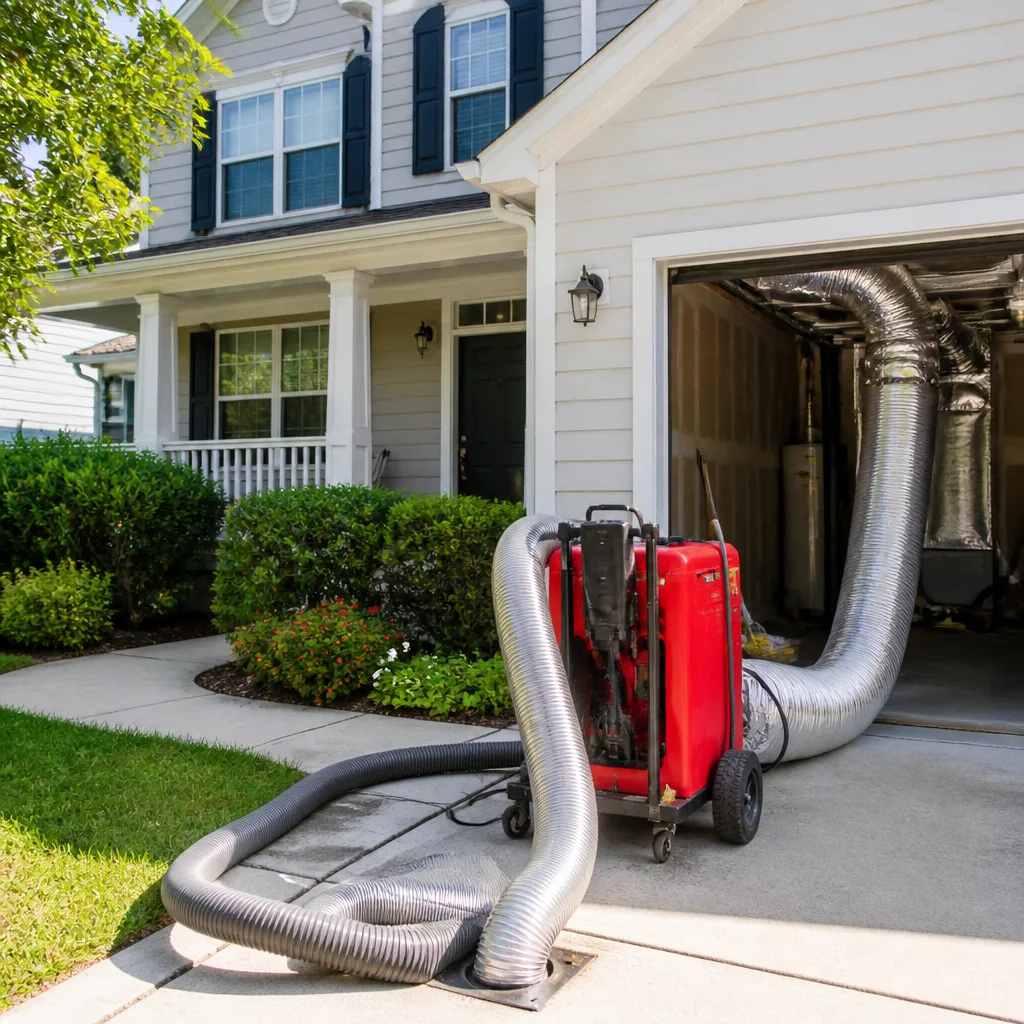 Whole-home duct cleaning
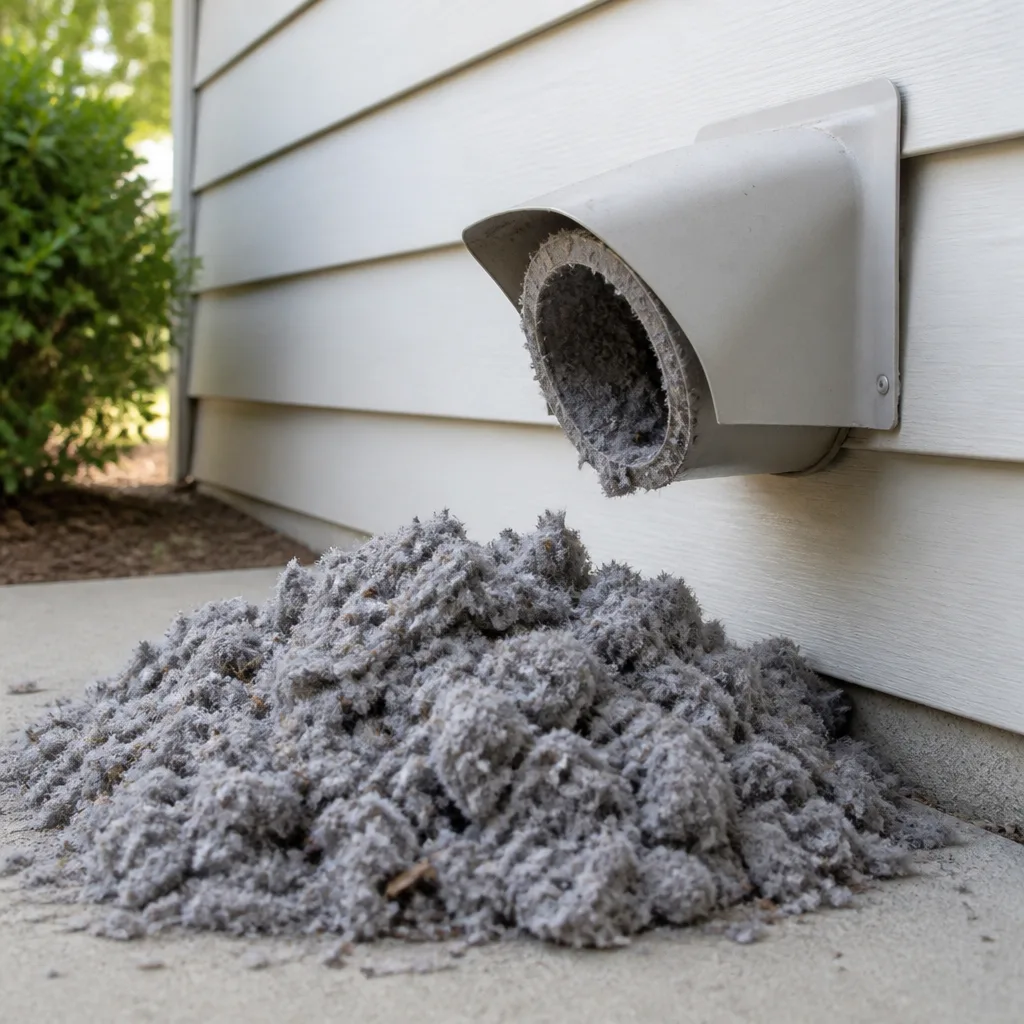 Dryer vent cleaning
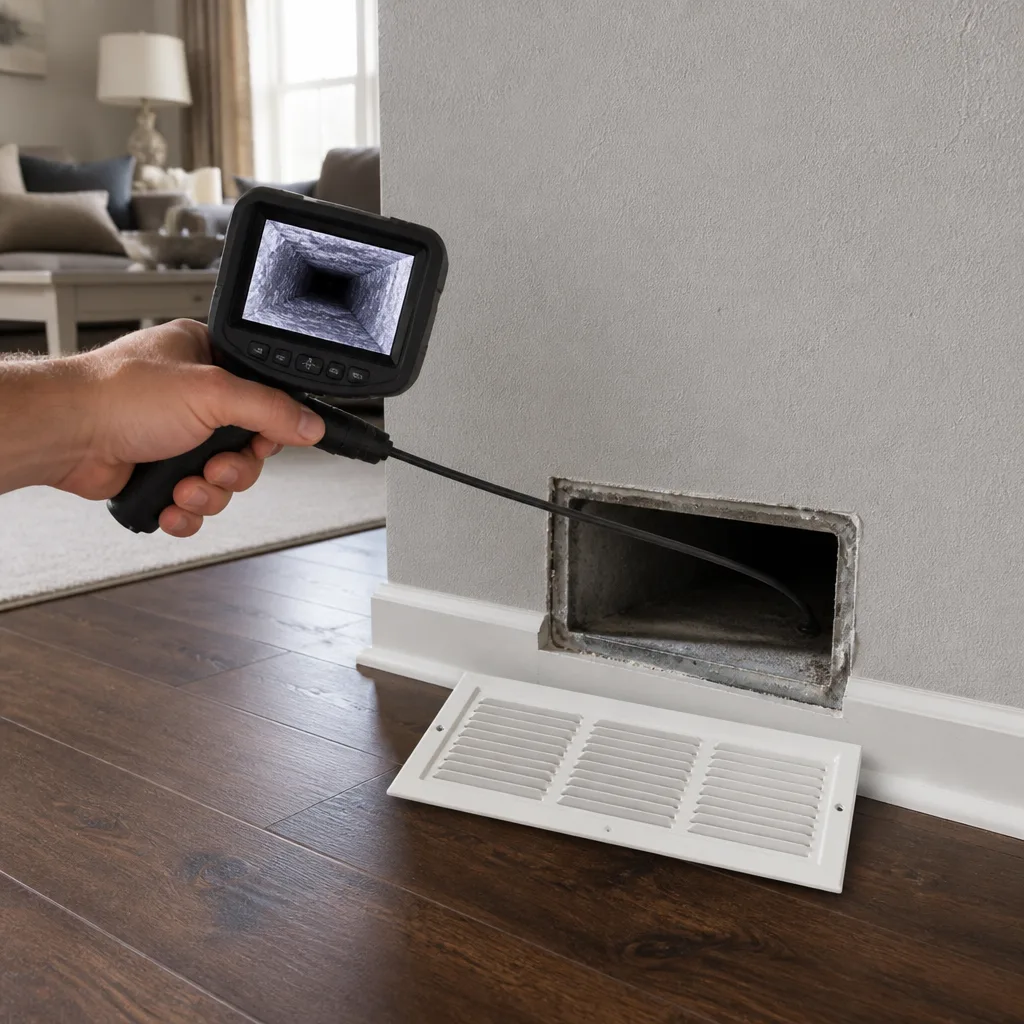 Camera inspection
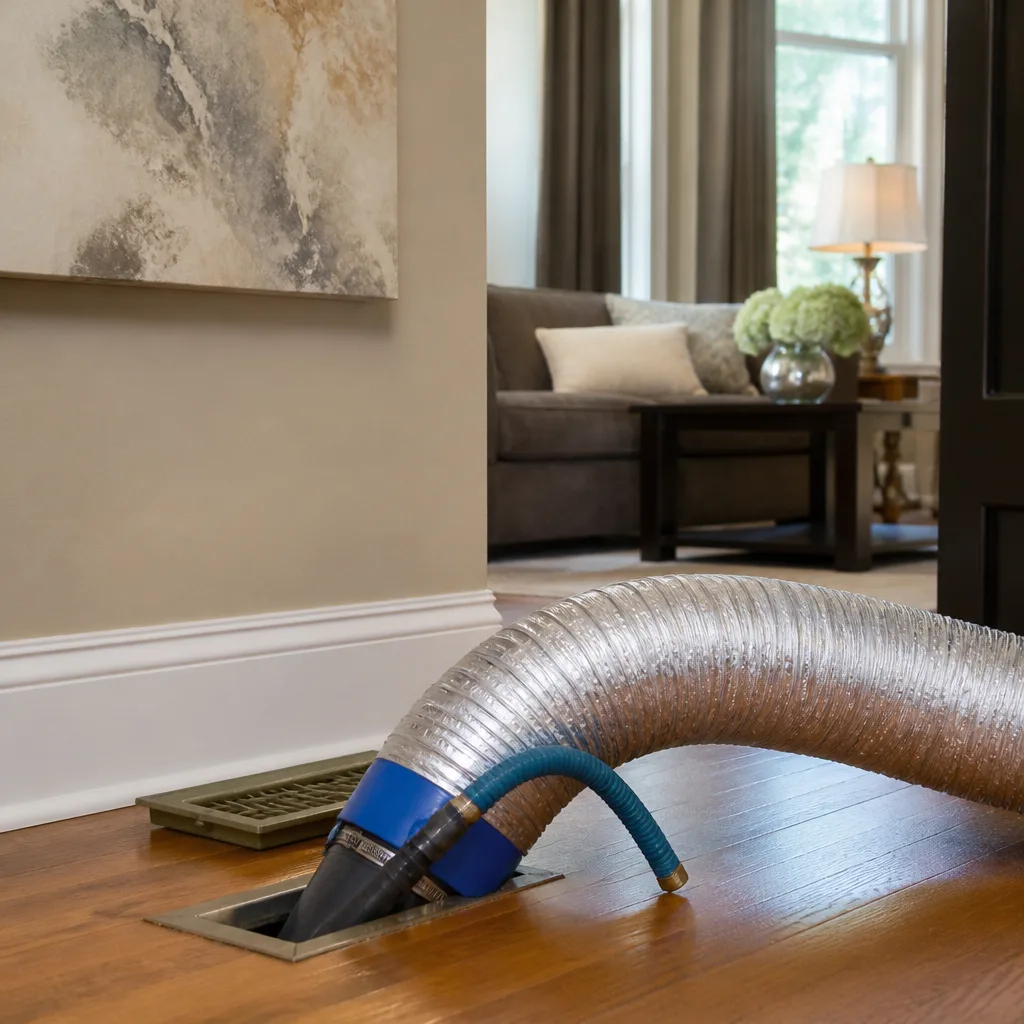 Sanitizing & deodorizing
Whole-system duct and dryer vent check with before-and-after photos - you see exactly what came out of your vents
That "$99 whole-house special" is a bait ad - the real number appears once they are in your hallway, or the "clean" is a shop-vac at the register. We photograph the inside of your ducts before and after instead.
The Complete Guide to Air Duct Cleaning in Lubbock
Here’s the part most duct cleaning guides get wrong: they’re written for coastal climates. Humid air and microbial growth. That’s not what’s happening inside the ductwork of a typical Lubbock home. What’s happening here is mineral. Caliche dust, alkaline fines, cotton gin fibers, and topsoil particulates pulled in continuously during one of the longest HVAC cooling and heating seasons in the country. Lubbock ranks among the top 10 dustiest metros in the U.S. by particulate load, and the ducts in Lubbock homes show it differently than ducts anywhere else. Over the next few thousand words we’ll cover where that debris comes from, what professional cleaning actually looks like, how to spot a blow-and-go operation, and how to pick filters that match our dust profile. This is the guide we wish every homeowner here read before booking the cheapest bid online.
Answer-First: What Does Air Duct Cleaning Really Involve in Lubbock?
Professional air duct cleaning in Lubbock means full source removal – all registers, all branch runs, all main trunk lines, the plenum, and the air handler cabinet – using HEPA-filtered negative air equipment and rotary brushing, with debris verified by before-and-after photos. It is not compressed air blown through a register from a shop vac. A legitimate job typically takes 2 to 4 hours on a standard single-story home and includes sanitization of the plenum and contact-vacuuming of every supply and return boot. If a contractor can’t describe their equipment, that’s your first warning.
Styles & brands we work with
- Whole-home duct cleaning
- Dryer vent cleaning
- Camera inspection
- Sanitizing & deodorizing
Table of Contents
- Why Lubbock Dust Isn’t Like Anywhere Else
- How Hard Your Lubbock HVAC System Actually Works
- Source-Removal Cleaning vs. Blow-and-Go
- The Equipment You Should See on a Legitimate Job
- What a Full Air Duct Cleaning Looks Like, Step by Step
- Filter Selection for Lubbock Dust Profiles
- Dryer Vents: The Second Air System People Forget
- When Duct Cleaning Needs Duct Repair
Why Lubbock Dust Isn’t Like Anywhere Else
Lubbock sits on a layer of caliche – a calcium-carbonate-rich hardpan that underlies much of the South Plains. When it’s pulverized by traffic, construction, or plain old wind, it becomes a fine, alkaline mineral powder that behaves nothing like the organic house dust you’d find in a humid climate. It doesn’t clump. It flows. It bypasses standard filters more easily than fibrous dust, settles on duct liner, and sticks there because of its alkaline chemistry. Cotton gin season adds another layer between roughly the fall harvest window: gin dust, cotton fibers, and fine plant material that drifts across town and finds its way into every return grill facing the right direction. Multiply those two sources across a windy spring and you get a buildup that’s more mineral than biological.
What does that mean for you? A few practical things:
- Dust inside ductwork tends to be fine and powdery rather than fluffy or damp, which is why cheap shop-vac setups just make it airborne again.
- Alkaline particulate is harder on evaporator coils and blower wheels than ordinary house dust – it grinds rather than coats.
- Supply register diffusers facing west or northwest collect more of it because that’s where the prevailing wind comes from.
- Homes near unpaved lots, cotton compress areas, and new construction subdivisions accumulate debris faster.
None of that is meant to alarm you. It’s the nature of living on the South Plains. The point is that duct contamination here has a signature – mineral, dry, alkaline – and a generic cleaning plan built for humid air by a national chain usually doesn’t account for it.
How Hard Your Lubbock HVAC System Actually Works
Here’s a number worth sitting with: most Lubbock HVAC systems run somewhere between 2,800 and 3,200 hours a year. The national average is closer to 1,500. That’s roughly double the runtime, and runtime is the single biggest driver of how fast ductwork soils. Every hour the blower runs, air is pulled through returns that face the outside world, cycled through your filter, and pushed across supply boots that act like microscopic collection trays. Twice the hours means roughly twice the accumulation of a comparable home in a milder climate.
What that math translates to:
- Homes in Lubbock hit the “needs cleaning” threshold faster than homes in St. Louis or Seattle, assuming similar filter maintenance.
- Air handler components – blower wheel, evaporator coil, and secondary drain pan – collect debris at a rate that surprises people moving here from out of state.
- Filter changes that would be monthly in a milder climate often need to be true-monthly in Lubbock, not every three months.
- Cottonwood season and cotton gin season compress a lot of soiling into a few weeks.
We’ve seen this on cleaned duct runs throughout Lubbock, from older brick homes near the Texas Tech campus to newer construction in southwest Lubbock. The soiling pattern is consistent: heavy on returns, moderate on trunk lines, and light-but-not-negligible on long branch runs feeding far bedrooms. If you want a clear answer on whether your system needs cleaning, air duct cleaning service pages usually spell out what inspection covers before any work begins.
Source-Removal Cleaning vs. Blow-and-Go
Source removal means physically removing accumulated contamination from every duct surface until the underlying metal is visible, then capturing that debris in HEPA filtration so it never reenters the home. Blow-and-go means a technician inserts a compressed air whip into a few registers, blasts debris loose, and leaves it to redistribute. The two look similar from the driveway. They are not the same job. The industry standard for source removal is spelled out in the NADCA ACR (Assessment, Cleaning, and Restoration) standard – if a contractor can’t explain what ACR means or won’t put their method in writing, you know what you’re dealing with.
How to tell which one you got:
- Look for a truck-mounted or high-CFM negative air machine. Blow-and-go setups don’t have one because they don’t need one – they’re not capturing anything.
- Ask for before-and-after photos of your own ducts. Not stock photos. Not generic gallery shots. Yours, taken during the job. A source-removal crew takes them naturally as part of documenting the work.
- Check the registers. Contact-vacuumed registers look and feel clean at the boot. Blasted registers are often dirtier than when the crew arrived.
- Watch the air handler. Source removal includes opening and cleaning the air handler cabinet – many blow-and-go jobs skip it entirely because it’s the most time-consuming part.
- Ask what equipment they carry. Legitimate crews can name it without hesitation. Rotary brush system. HEPA vacuum. Negative air machine. Contact vacuum.
The question to ask yourself isn’t “how much did it cost?” It’s “did the debris leave the house, or did it just move from the ducts to the living room?” On jobs where the original contractor skipped negative air containment, we often find dust sitting on furniture and window sills for weeks after. That’s the tell.
The Equipment You Should See on a Legitimate Job
There are four pieces of equipment that separate a professional air duct cleaning from a weekend warrior with a wet/dry vac. You don’t need to become a duct cleaning technician, but knowing what to look for means you can spot the difference before money changes hands.
Truck-Mounted Negative Air Machine
This is the anchor of the whole system. A high-CFM vacuum unit is connected to your duct system at one end and draws a continuous negative pressure throughout the job, so every bit of debris that gets agitated is pulled into the capture unit instead of settling back inside the ducts or blowing into the room. Without it, you’re just moving dust around.
Rotary Brush System
Rotobrush equipment uses a spinning brush on a flexible shaft to agitate and loosen debris from duct walls while the negative air machine pulls it out. This is the piece that actually contacts the duct surface. Straight air whips and blowers don’t. When a crew shows up with a Rotobrush system, they came to remove contamination, not redistribute it.
HEPA-Filtered Vacuum
Nikro HEPA equipment captures the fine particulate at the micron level. That matters more in Lubbock than almost anywhere else, because our dust is fine enough to stay airborne for a long time. HEPA capture prevents the fine alkaline particulate from cycling through the room while the work is in progress.
Contact Vacuum for Registers
Handheld contact vacuums are used at every register boot and supply diffuser. This is one of the most detail-heavy parts of the job and one of the easiest for a rushed crew to skip. If they’re not pulling out a contact vacuum at each register, ask why.
When a home has elevated contamination levels – heavy visible debris, moisture history, pest activity, or post-construction soiling – the tool set needs to go up a level. Abatement Technologies negative-air and containment equipment is the standard for contamination control work, and we carry it for the situations that call for it. That’s not a marketing line. It’s the equipment reality of doing the job properly when the job calls for it.
What a Full Air Duct Cleaning Looks Like, Step by Step
If you’ve never had it done, knowing what to expect on the day removes the guesswork. Every home is different, and older construction in central Lubbock behaves differently than newer subdivisions, but a full source-removal cleaning follows this general sequence:
- Walk-through and inspection. The crew documents the system – registers, returns, air handler, mechanical room – and looks for obvious damage, disconnected joints, or signs that a repair will be needed alongside cleaning.
- Protect the living space. Drop cloths under registers and at the air handler. Negative air tie-in set up so all debris is captured.
- Clean the supply side. Rotary brush through every supply run, from the air handler out to the register boot, with negative pressure pulling debris back to the capture unit.
- Clean the return side. Same process, in reverse. Returns carry the heaviest soiling and often take the most time.
- Contact-vacuum every register. Boots and diffusers are vacuumed individually so no residual debris is left sitting in the supply path.
- Clean the air handler cabinet and blower. This is where a lot of companies cut corners. Full source removal includes the air handler interior, the blower wheel, and the coil face.
- Sanitize the plenum and trunk. A surface sanitizer is applied to the plenum and trunk lines after cleaning to reduce residual soil load.
- Reassemble, seal, and verify. Registers reinstalled. Seams and joints checked for leaks. Before-and-after photos taken and shared with the homeowner.
A standard single-story home usually finishes in 2 to 4 hours. Multiple HVAC systems, two-story layouts, and heavy soiling situations run longer. Every job ends with a flat written price agreed up front – not a per-vent quote that morphs into a bigger number after the technician is on site.
Filter Selection for Lubbock Dust Profiles
Here’s the counterintuitive bit. In most climates, homeowners are told to buy the highest-MERV filter that fits. In Lubbock that advice backfires above a certain point. MERV 13 is the practical ceiling for most residential systems here before airflow restriction starts fighting your blower – and if your filter slot is 1 inch thick, you’re better served at MERV 11 than MERV 13, because the 1-inch depth limits surface area and thick filtration capacity can choke the system. A MERV 8 to 11 in a 1-inch slot, changed on schedule, outperforms a MERV 13 in the same slot every time it comes to protecting the equipment without starving airflow.
The rules of thumb we go by:
- 1-inch filter slot: MERV 8 to MERV 11, changed monthly during cotton season and windy stretches.
- 4-inch or thicker media cabinet: MERV 11 to MERV 13, changed per the system’s pressure or time guidance.
- Any filter: change it, on schedule, regardless of MERV rating. The most common cause of a prematurely soiled duct system isn’t a bad filter – it’s a neglected one.
- Post-cleaning: install a fresh filter before the crew packs up. Cleaning and then running the old filter puts debris right back into circulation.
If your system includes a whole-house air quality setup on a Honeywell or Aprilaire platform, the cleaning plan should match that hardware. Those systems use specific filter media and housings, and part of understanding a Lubbock air system is understanding what the filter cabinet was engineered to hold. Trained techs on those platforms can tell you what to buy and what to skip, without selling you a filter that fights your blower.
Dryer Vents: The Second Air System People Forget
Your dryer vent is part of your home’s air system and, unlike your ducts, it’s a genuine fire safety concern. Lint accumulation in a restricted vent is a leading cause of residential house fires, and vent runs in Lubbock homes are often longer than the standard – a dryer pushed against an exterior wall in a newer southwest Lubbock home might have a short run, while an older home with a dryer near the middle of the floor plan can have a 12-to-20-foot run through the attic or wall cavity. Long runs collect more lint, and attic runs in particular take on heat in a Lubbock summer that dries the lint out further.
Signs your vent is overdue:
- Clothes take noticeably longer to dry than they used to.
- The dryer top or door feels hot during a cycle.
- A visible film of lint behind the vent cap outside.
- You can’t remember the last time it was cleaned.
dryer vent cleaning uses the same discipline as duct cleaning – brush and vacuum, full length of the run, verified by photo. It’s a shorter job than a full HVAC duct cleaning, but it’s the one with the bigger safety payoff. If you’ve been putting it off for a while, that’s the one to book first.
When Duct Cleaning Needs Duct Repair
Cleaning only fixes half the problem if your duct system has disconnected joints, torn flex runs, or crushed sections under the floor. Loose joints bleed conditioned air into crawlspaces and wall cavities, which means two things: your electric bill climbs because the system is running to compensate, and the debris you’re paying to remove keeps getting pulled in through unfiltered gaps. Cleaning a system with damaged ducts is like washing a car with the doors open. It looks better, but the same dust rolls back in through the same opening.
Repair is a distinct service from cleaning because it addresses structure. Common fixes include:
- Reconnecting joints that have pulled apart at boots or trunk takeoffs.
- Sealing gaps with mastic or approved tape – not the cloth “duct tape” that fails in a Lubbock attic.
- Replacing crushed or torn flex duct runs that restrict flow.
- Re-hanging sagging runs so they aren’t pinched against joists.
The right order of operations is inspect, clean, repair, then verify airflow. If a contractor quoting you on cleaning hasn’t looked for duct damage first, ask them to. If you’re not sure whether your ducts are structurally sound, call Duct Cleaning Lubbock at (833) 958-4715 for a free estimate. We answer 24/7. Fast dispatch from 7am to 7pm, Sunday through Friday.
How Much Does Air Duct Cleaning Cost in Lubbock?
Air duct cleaning in Lubbock typically runs $350 to $750 for a standard single-system home, with larger homes, multiple systems, or heavy-soiling situations landing higher. The written estimate you receive before work starts is the final price. Duct repair, when it’s needed, is quoted separately by the scope of the repair. Dryer vent cleaning is priced as its own job. Any quote that changes after the technician is on site wasn’t a real quote.
What drives the range:
- Number of HVAC systems. Two systems, two sets of ducts.
- Square footage and layout. Long branch runs, upstairs systems, and crawlspace access all add time.
- Soiling level. Post-construction, pest history, neglect, and long-deferred cleaning all raise the time involved.
- Whether repair is needed. Reconnected joints and sealed leaks are separate line items from cleaning.
We’re not the cheapest bid you’ll find online, and we don’t try to be. What we offer is a written, flat, whole-system price agreed before the crew arrives, no per-vent upcharges once the truck is parked, and before-and-after photos of your own ducts so you know the work was actually done. That trade – professional equipment and a fixed price for a verified result – is the honest one.
See the difference
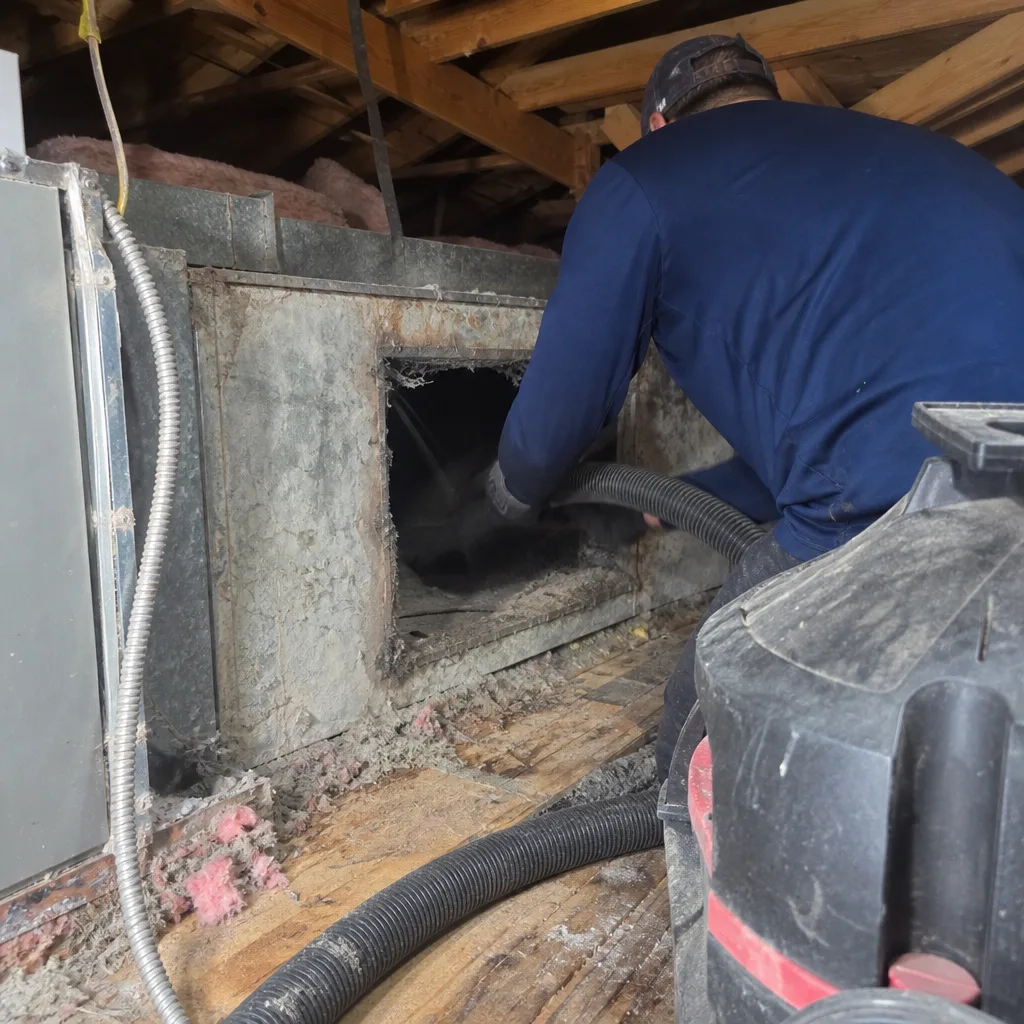 Before
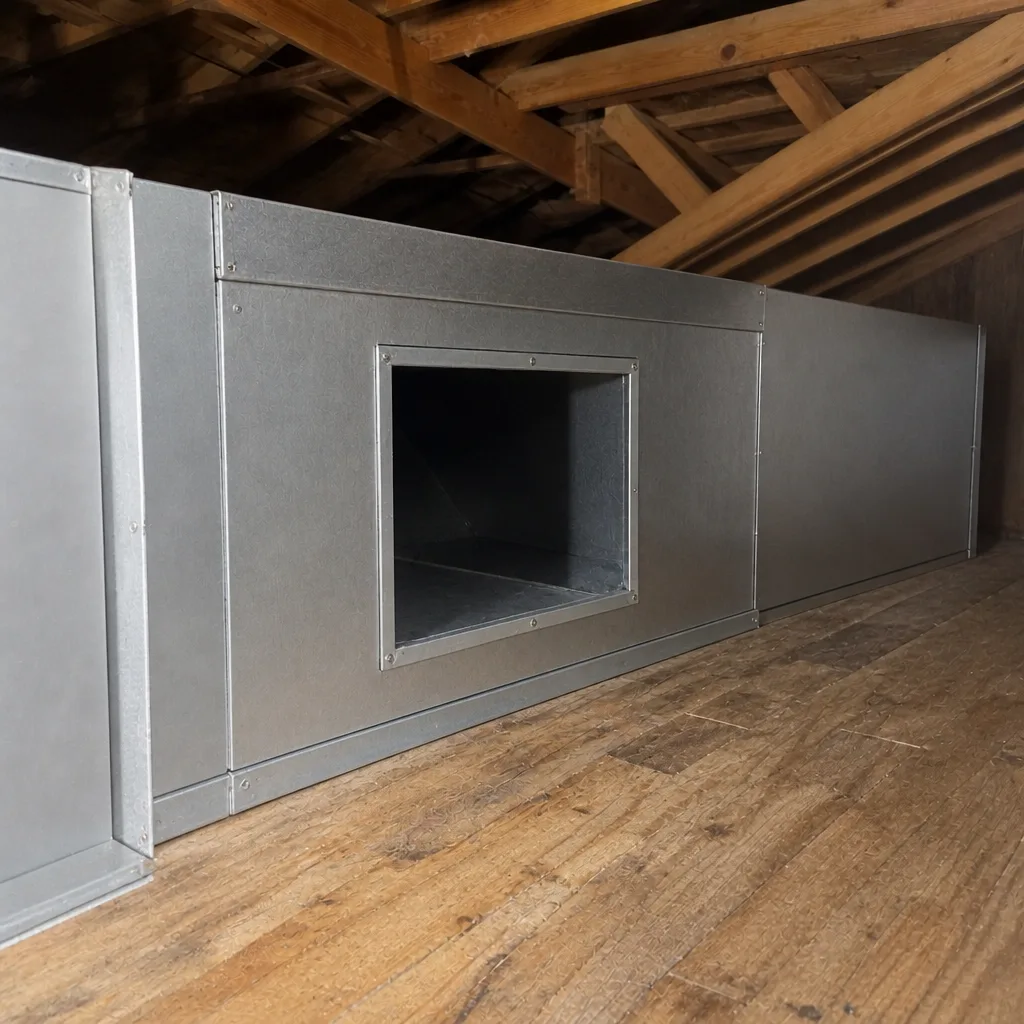 After
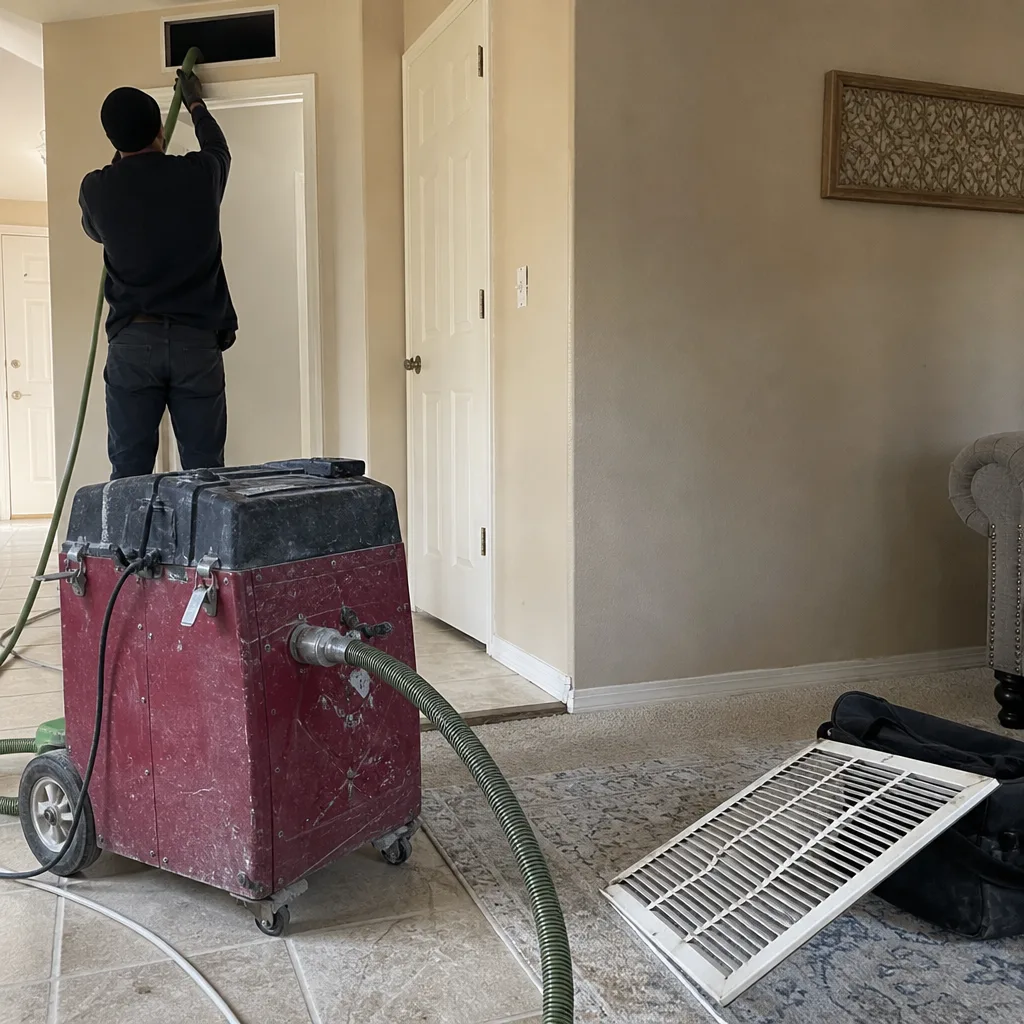 Before
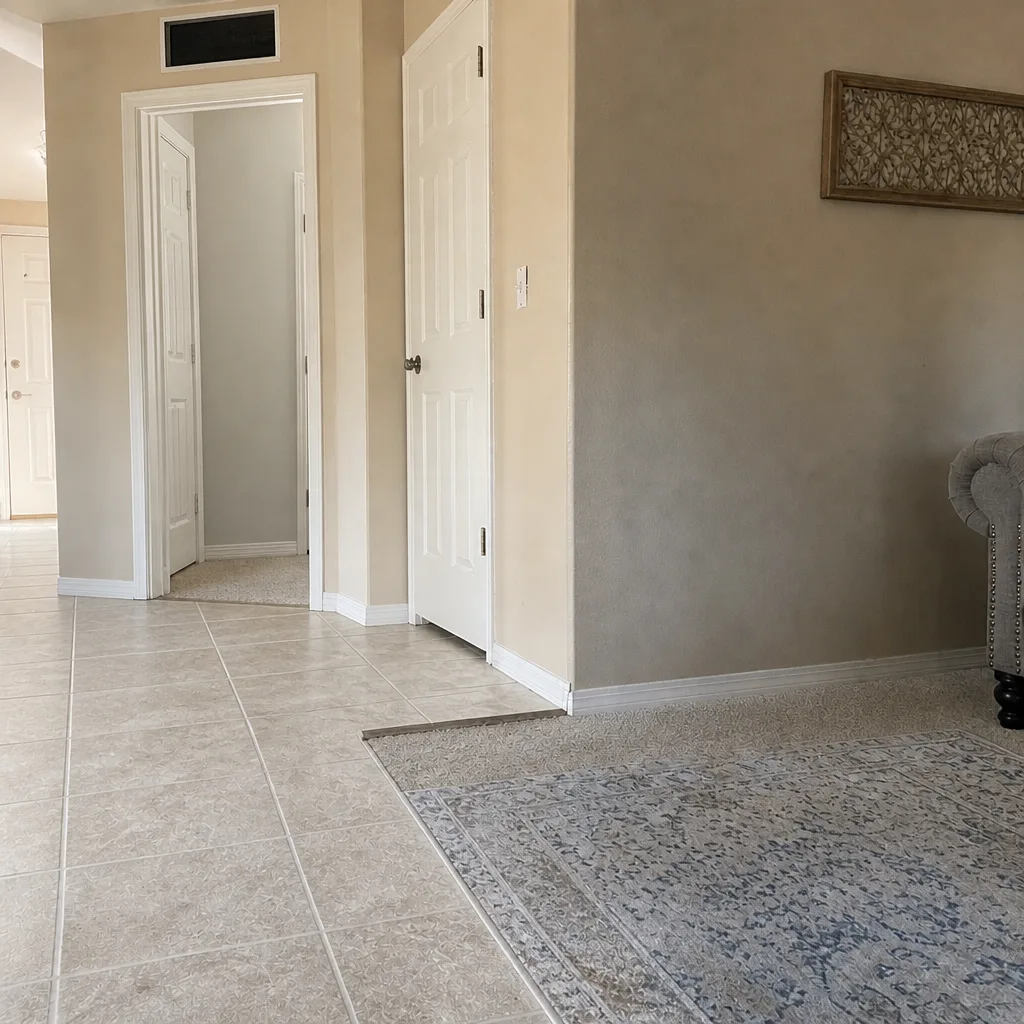 After
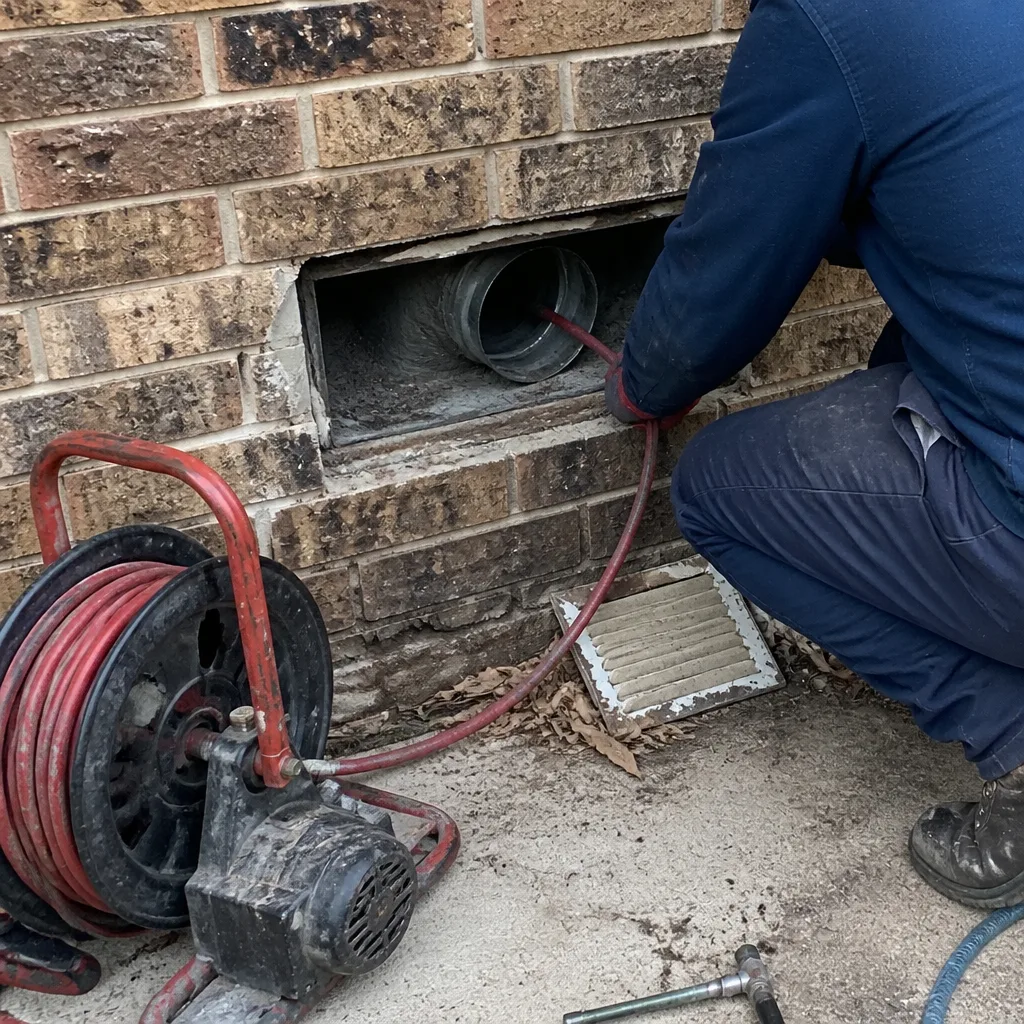 Before
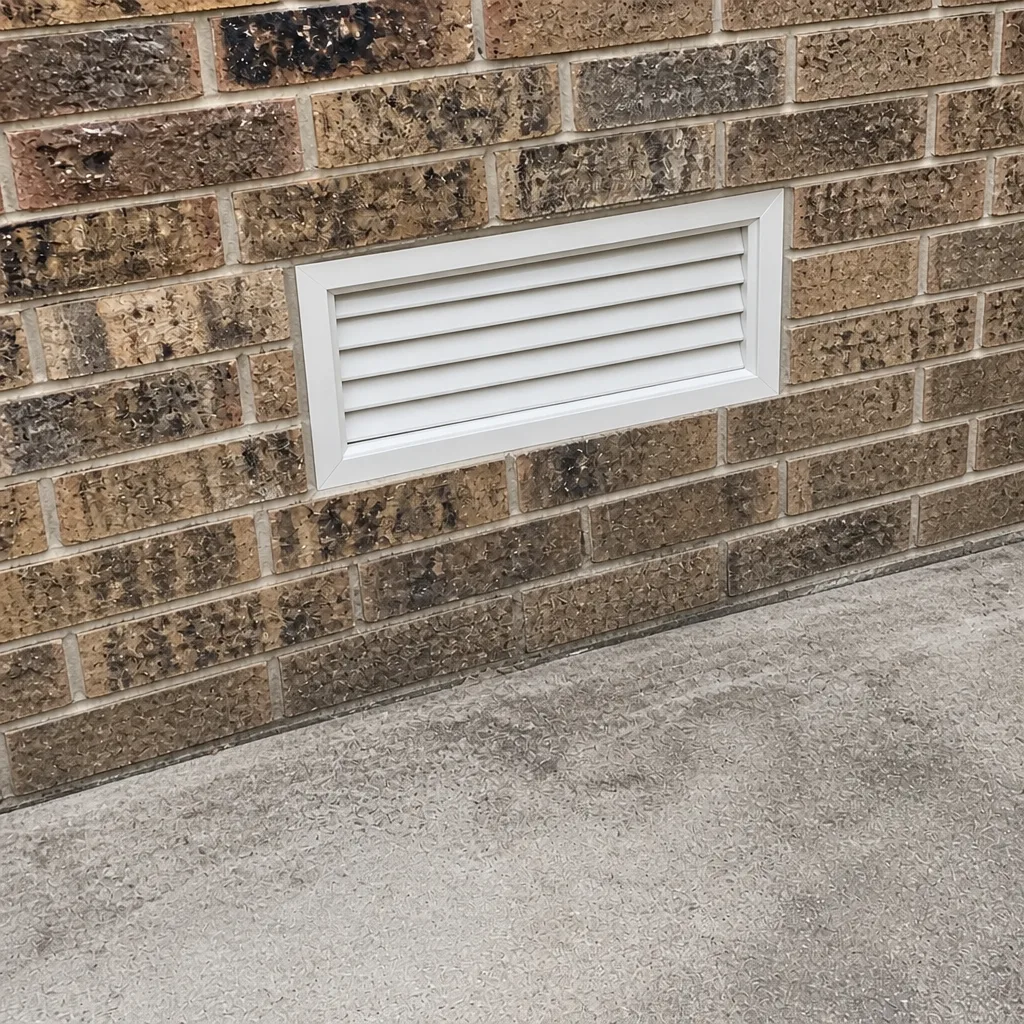 After
Common Mistakes to Avoid
- Hiring on coupon price alone. A teaser coupon is often a per-vent anchor that grows when the technician arrives. Ask for a whole-system flat price in writing before booking, in Lubbock or anywhere else.
- Skipping the air handler. Cleaning every supply run but leaving the air handler cabinet and blower untouched puts debris right back into the airflow the moment the system turns on.
- Choosing a filter that chokes the blower. MERV 13 in a 1-inch slot restricts airflow and can cost more in system wear than it saves in filtration. Match MERV to slot depth, not to marketing copy.
- Assuming “duct cleaning” includes the dryer vent. Two separate air systems, two separate jobs. Confirm both in the scope if you want both done.
- Ignoring disconnected joints. Clean ducts with leaking seams get dirty again in months. Ask for an inspection of the duct structure as part of the estimate.
- Letting years pass without cleaning because the registers “look clean.” Registers are the public face of the system. The plenum, the trunk, and the branch runs behind the drywall are where the accumulation happens in a Lubbock home.
- Not asking for photos. Before-and-after photos of your own ducts are the simplest, cheapest verification available. Any legitimate contractor takes them naturally during the job.
When to Call a Professional
Bring in a professional when you see visible dust streaks blowing out of registers, when a recent renovation or new construction left drywall dust in the system, when allergy or asthma symptoms flare up indoors while the system is running, when you’re moving into a home with unknown service history, or when a duct system has obvious disconnected joints or crushed runs in the crawlspace or attic. Dryer vent cleaning is worth a professional call any time you can’t remember the last one. Duct Cleaning Lubbock offers free estimates in Lubbock – call (833) 958-4715. We answer 24/7. Fast dispatch from 7am to 7pm, Sunday through Friday.
Frequently Asked Questions
Most Lubbock homes benefit from whole-system cleaning every three to five years, and homes near ongoing construction, near cotton gin or compress activity, or with pets and allergy-sensitive occupants may need it closer to every two to three years. The doubled HVAC runtime in this climate accelerates soiling faster than national guides assume. Call (833) 958-4715 for an exact quote – estimates are free.
Because they describe a different job. Cheap quotes typically cover a few registers only, skip the air handler, and use a shop vac or compressed air whip instead of a truck-mounted negative air machine and HEPA-filtered capture. The low price reflects the equipment and the scope, not a discount. Call (833) 958-4715 to hear what a full source-removal job involves and what it costs.
Ask for before-and-after photos of your own ducts, taken during the job. A legitimate crew documents the work as a matter of course. Look for the negative air machine parked outside and connected to your system – that equipment has to be there to pull debris out, not just move it around. Call (833) 958-4715 with any questions about what a real cleaning involves.
Cleaning a heavily soiled system usually restores some airflow that debris has been obstructing, which helps the system run closer to its designed efficiency. It doesn’t create efficiency that wasn’t there before. The bigger reliability win is a clean blower wheel and coil face, which protects the equipment from the grinding effect of fine mineral dust. Call (833) 958-4715 for a free estimate on your home.
Yes, the mineral character of it does. Caliche-rich alkaline particulate is finer and drier than the organic house dust common in humid climates, and it stays airborne longer. That combination means duct cleaning here is a more meaningful indoor air quality measure than it is in places where the dominant soil loading is biological. Call (833) 958-4715 for an assessment of your home.
Cleaning removes accumulated contamination from inside the ductwork. Repair addresses the structural failures – disconnected joints, crushed runs, torn flex – that cause air loss and let new contamination in. Sometimes both are needed on the same visit, but they’re quoted as separate line items so you can see what you’re paying for. Call (833) 958-4715 for a free estimate covering both.
The Bottom Line
Duct cleaning in Lubbock isn’t the same job it is in Houston or Miami. The caliche dust, the cotton season, and the doubled HVAC runtime all reshape what has to be cleaned, how often, and with what equipment. Full source removal using a truck-mounted negative air machine, a Rotobrush rotary brush system, and Nikro HEPA filtration is the standard worth paying for. Anything less just moves dust around your house. Match your filter to your slot depth, change it on schedule, and book a dryer vent cleaning while you’re at it. If you want an honest flat price for a whole-system job with before-and-after photos at the end, we’re the crew to call.
Call Duct Cleaning Lubbock today at (833) 958-4715 for a free estimate. We answer 24/7. Fast dispatch from 7am to 7pm, Sunday through Friday. Every job gets one flat price per system agreed before work starts, professional-grade Rotobrush and Nikro equipment on every visit, and photos of your own ducts at the end.
Written by the team at Duct Cleaning Lubbock.