
Last updated November 15, 2026
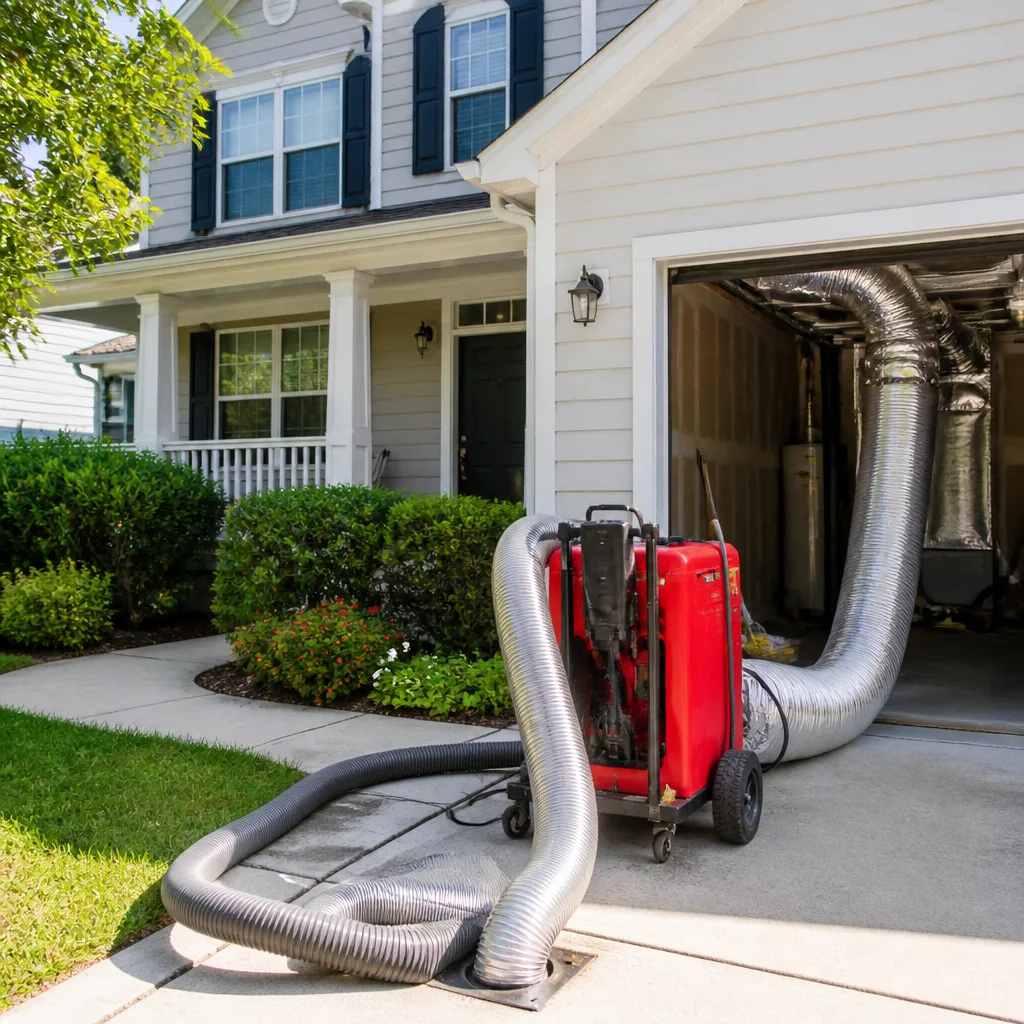 Whole-home duct cleaning
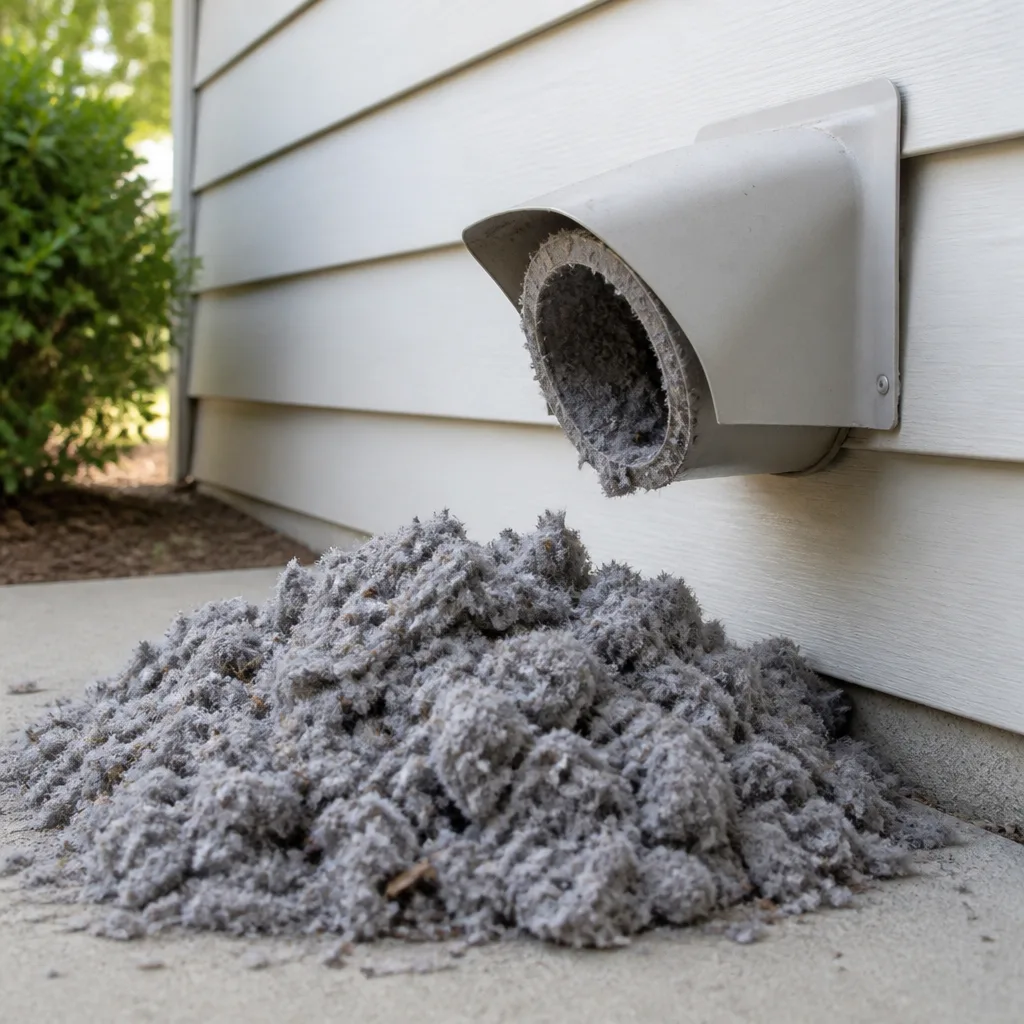 Dryer vent cleaning
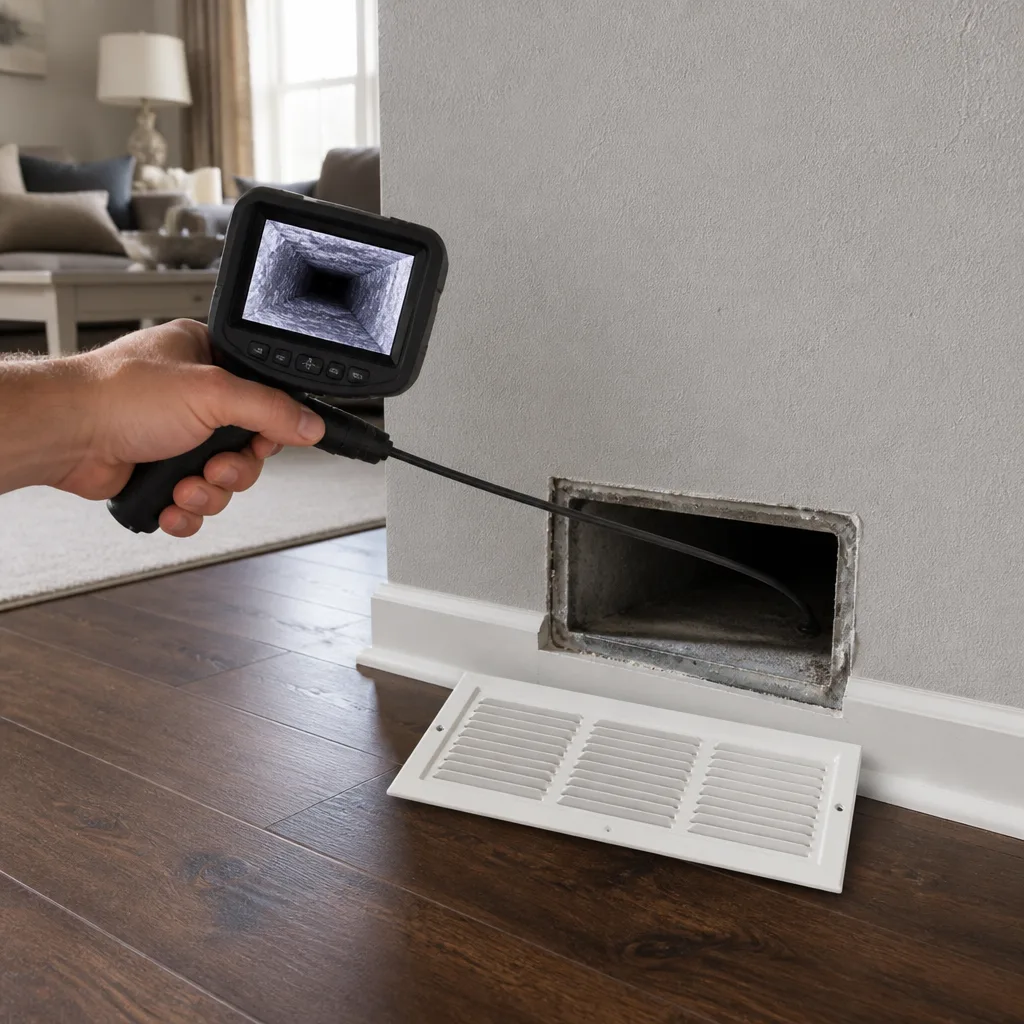 Camera inspection
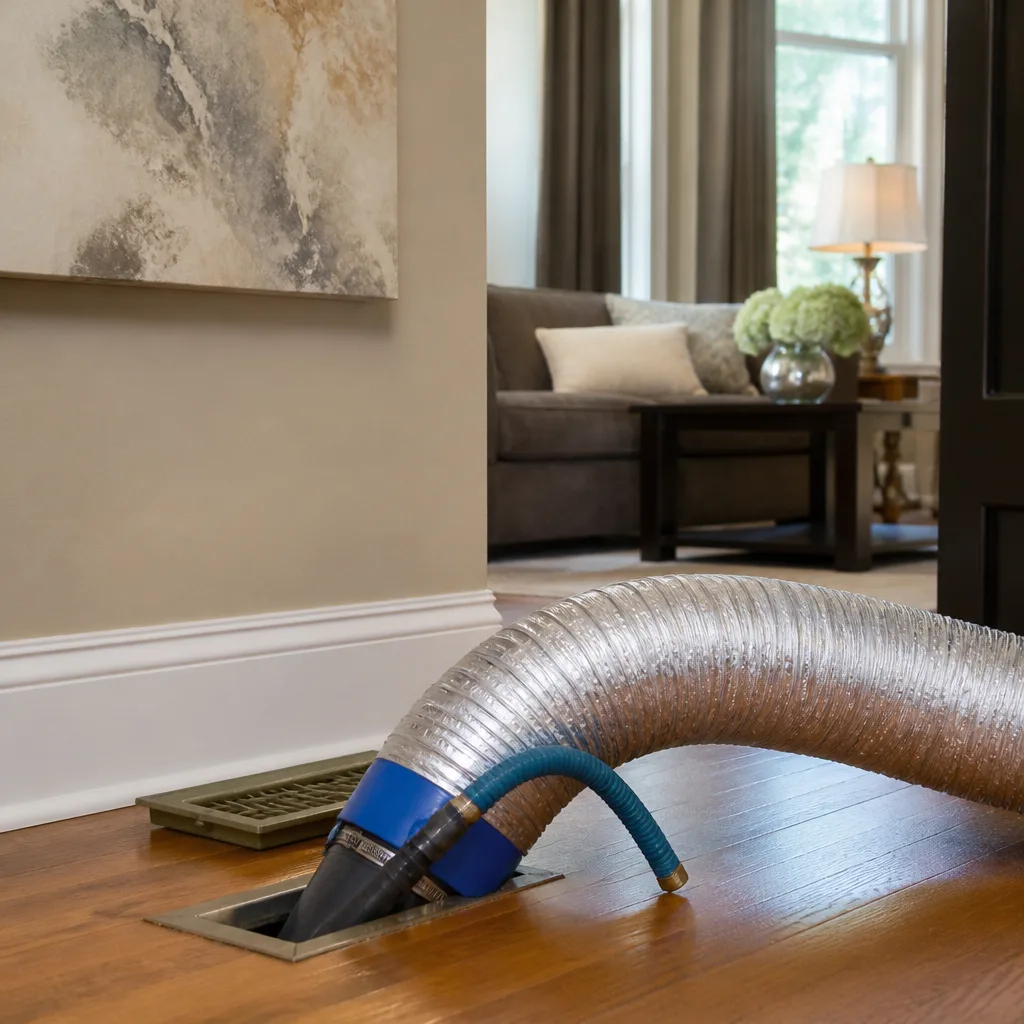 Sanitizing & deodorizing
Whole-system duct and dryer vent check with before-and-after photos - you see exactly what came out of your vents
That "$99 whole-house special" is a bait ad - the real number appears once they are in your hallway, or the "clean" is a shop-vac at the register. We photograph the inside of your ducts before and after instead.
How to Hire an Air Duct Cleaning Contractor in Lubbock: A Step-by-Step Guide
The question most homeowners ask first – “Are you licensed?” – is nearly useless for vetting duct cleaners in Texas. Duct cleaning has no standalone state license requirement, so any generalist with a vacuum and a business card can print “licensed” on a door hanger and mean nothing by it. The questions that actually separate a trade-level operator from an opportunist are about equipment specs and process: what vacuum is behind the hose, what drives the brush, whether the extraction unit is HEPA-filtered, and whether the quote is built for the whole system or priced per vent. This guide walks through the technical vetting framework we’d want a homeowner in Lubbock to use before booking anyone, including the equipment questions to ask, how to read a quote line by line, and the red flags specific to this market.
Quick Answer
To hire an air duct cleaning contractor in Lubbock, ask four equipment questions before booking (vacuum CFM, brush drive type, HEPA filtration on the extraction unit, portable vs. truck-mounted), insist on a whole-system quote rather than a per-vent price, and require a pre-job walkthrough that maps the system and photographs registers before any work begins. NADCA membership is a useful floor but doesn’t guarantee local execution quality. A legitimate contractor will answer those equipment questions without hesitation and won’t quote a price before asking about square footage and duct material.
Styles & brands we work with
- Whole-home duct cleaning
- Dryer vent cleaning
- Camera inspection
- Sanitizing & deodorizing
Table of Contents
- Why “Are You Licensed?” Doesn’t Work in Texas
- The Four Equipment Questions to Ask Before Booking
- How to Read a Duct Cleaning Quote Line by Line
- NADCA Membership: A Floor, Not a Ceiling
- What a Legitimate Pre-Job Walkthrough Looks Like
- Red Flags Specific to the Lubbock Market
- Cleaning vs. Repair: Knowing Which You Need
- Why Dryer Vent Cleaning Belongs in the Conversation
- Common Mistakes to Avoid
- When to Call a Professional
Why “Are You Licensed?” Doesn’t Work in Texas
Texas doesn’t issue a standalone license for air duct cleaning as a trade. HVAC contracting is licensed through the state, but duct cleaning performed as a maintenance service falls outside that licensed scope in many cases, and a general handyman or carpet-cleaning operator can add “duct cleaning” to their service list without any additional credential. That’s not a loophole unique to Lubbock, but it’s why the local market includes so many outfits whose primary trade is something else entirely.
What this means for you as a homeowner: the word “licensed” on a door hanger or website tells you almost nothing about the quality of the work. A carpet cleaner who also owns a shop-vac and a hose can print the same word. The verification that actually matters is technical, not regulatory. You want to know:
- What kind of vacuum unit is being used, and what’s its CFM rating
- Whether the extraction system has HEPA filtration to contain what it pulls out
- What drives the brush contact inside the ductwork – a rotary brush, an air-whip, or nothing
- Whether the system is portable or truck-mounted, and what that means for the job at hand
None of those things show up on a license. All of them show up in how a contractor answers a phone call. The approach we take at Duct Cleaning Lubbock is to lead with the equipment, because that’s the honest differentiator. A technician carrying a professional rotary brush system is going to do different work than a technician carrying a shop-vac, and the homeowner deserves to know which one is showing up.
The Four Equipment Questions to Ask Before Booking
Ask these four questions on the phone, before any appointment is scheduled. A contractor who’s serious about their equipment will answer them directly. One who hedges, changes the subject, or says “we use the best equipment available” without naming it is signaling that equipment isn’t their strong suit. In our experience, the answer quality to these four questions is the single most reliable predictor of job quality.
- What’s the CFM rating of your vacuum unit? CFM stands for cubic feet per minute – the volume of air the vacuum can move. Duct cleaning requires substantial air movement to dislodge and extract accumulated debris, and consumer-grade or lightly-specified units simply can’t sustain it. You don’t need to memorize a target number, but you do need to hear a real one. “I don’t know” or “it’s a good one” is a pass.
- What drives the brush – rotary or air-whip? A rotary brush is a motorized head that physically scrubs duct walls as it travels. An air-whip uses compressed air to flail a hose around inside the duct, knocking material loose without direct contact. Rotary is generally the more thorough method for residential ductwork with accumulated dust and debris, and it’s what professional systems like Rotobrush are built around. Air-whips have their place, but they don’t scrub.
- Does the extraction unit have HEPA filtration? HEPA filtration on the vacuum captures fine particulate that would otherwise be exhausted back into your home. Systems like Nikro’s HEPA-filtered units and Abatement Technologies’ negative-air equipment are designed specifically for this. If the contractor’s answer is “we use a big vacuum,” ask the follow-up: what happens to the fine dust once it leaves the duct?
- Is the system truck-mounted or portable? Truck-mounted units deliver more sustained vacuum but require the truck to be positioned close to the house. Portable units are carried in and set up inside. Neither is automatically better; the question is whether the contractor can explain the tradeoffs for your specific setup. A one-story home in central Lubbock and a two-story in a newer development may call for different approaches.
How to Read a Duct Cleaning Quote Line by Line
The single most informative thing about a duct cleaning quote is whether it’s priced per vent or for the whole system. A per-vent price – say, “X dollars per register” – signals that the contractor is being paid for surface-level contact with each opening, not for cleaning the complete duct network between them. The ductwork between the registers is where most accumulated debris sits, and a per-vent pricing structure gives the contractor no economic incentive to spend time there.
A whole-system quote is built around the full network: the supply trunks, the return runs, the plenum at the air handler, and the registers. It’s a single price agreed before work starts, and it doesn’t change based on how many registers happen to be in the house. Here’s how a legitimate quote structure usually breaks down:
- Scope of work, written out: what’s being cleaned, what’s not, and how the system will be accessed
- Equipment named explicitly: the rotary brush system, the HEPA vacuum, any negative-air equipment if contamination is elevated
- Single flat price for the system: not a per-vent figure, not a teaser that expands once the technician is on site
- Before-and-after photo documentation: promised in the quote, delivered after the job
- Repair exclusions stated: if there’s damaged ductwork, it should be identified as a separate scope, not rolled into a vague “we’ll fix what we find” line
The quote should also reflect that the contractor knows what they’re looking at. If they quoted before asking about square footage or duct material, question whether they’re pricing the job they think you have or the job you actually have. Flexible duct, sheet metal, and duct board each present differently, and a serious contractor wants to know which they’re walking into. When you’re comparing quotes for air duct cleaning in Lubbock, the whole-system price with a written scope is the number to compare against – not the per-vent figure that appears on the door hanger.
NADCA Membership: A Floor, Not a Ceiling
NADCA – the National Air Duct Cleaners Association – publishes the industry’s recognized standards for duct cleaning, including the ACR (Assessment, Cleaning, and Restoration) standard, and membership signals that a contractor has at least engaged with those standards. If you’re vetting a duct cleaner cold, checking for NADCA membership is a reasonable first filter. It’s a floor, not a ceiling.
Here’s what NADCA membership actually tells you: the contractor has agreed to a code of ethics and has access to industry-standard methods. What it doesn’t tell you is whether the technician showing up at your door is using a rotary brush system or an air-whip, whether the extraction unit is HEPA-filtered, whether the quote is per-vent or whole-system, or whether the local execution quality matches the national standard. A NADCA member can still subcontract to a crew that cuts corners. A non-member can still be a technician-level operator with the right equipment.
In our experience, the more useful use of NADCA is as a conversation topic. Ask a prospective contractor which NADCA standards they follow and how. Ask what their process looks like against the ACR sequence – source removal, containment, extraction, verification. If they can talk through it fluently, you’ve learned something useful. If they can only say “we’re a member,” that’s also information. In Lubbock, where the market includes a lot of generalists, the contractors who can articulate the standard are usually the ones who actually work to it.
What a Legitimate Pre-Job Walkthrough Looks Like
Before any cleaning equipment is unloaded, a serious contractor walks the house with you. This is the step that separates trade-level operators from blow-and-go outfits, and it’s also the step most vulnerable to being skipped when the price is too low to support it. Here’s what a legitimate walkthrough usually includes:
- System mapping. The contractor traces the duct network – where the air handler sits, where the supply trunks run, where the returns are, how many registers serve each zone. This is how they build a test plan. It’s also how they spot problems before the equipment comes out.
- Static pressure baseline. Static pressure tells you how hard the system is working to move air. High static pressure can indicate restricted ductwork, undersized returns, or accumulated debris. A baseline reading before cleaning lets the contractor compare before and after, and gives you a number you can use to judge whether the system is performing.
- Photo documentation of registers before work begins. This isn’t just for marketing. It’s the reference point for the before-and-after comparison at the end of the job, and it’s how you verify that what was promised in the quote was delivered. Ask to see the before photos.
- Duct material identification. Sheet metal, flexible, and duct board each clean up differently and require different handling. The contractor should identify what’s actually in the house before quoting final scope.
- Contamination assessment. If there’s visible debris, pest evidence, or moisture issues, the scope may need to expand. Remediation-grade equipment like Abatement Technologies negative-air units comes into play at this level of contamination, and a contractor who doesn’t have it needs to say so rather than proceed with a standard clean.
If a contractor arrives, quotes a price before walking the house, and immediately wants to start, that’s a signal. The same walkthrough might take twenty minutes on a modest single-story in Lubbock and longer on a larger home with multiple zones. Time spent before the job is time not spent on unnecessary callbacks.
Red Flags Specific to the Lubbock Market
The Lubbock duct cleaning market includes a disproportionate number of carpet-cleaning and handyman operations that tack duct cleaning onto their service list as an upsell. The equipment is consumer-grade, the process is surface-level, and the pricing structure is designed to look like a bargain until the technician is on site. Here are the signals that most reliably identify that pattern:
- Door hangers promising $49 (or a similar low figure) whole-home cleans. A whole-system clean using professional equipment takes time, and time has a floor cost. A teaser price that low is a lead generator, not a service quote. The realistic price shows up once the technician is inside, and it’s usually several times higher than the hanger.
- Quotes given before any questions about the house. If the contractor hasn’t asked about square footage, number of registers, or duct material, they’re not quoting your system – they’re quoting a generic number designed to get them in the door.
- No equipment details on request. A technician-level operator can name their brush system, their vacuum unit, and their filtration method. A generalist can’t, because the equipment isn’t the point of their business.
- Per-vent pricing presented as the whole-system price. Sometimes the language is deliberately vague. Ask directly: is this price for the entire duct network, or per vent? Get the answer in writing.
- No walkthrough before the quote. A legitimate contractor walks the house. A blow-and-go outfit quotes from the door way and starts the clock.
- Pressure tactics around timing. A legitimate operator can book a job for a future date without insisting that today is the only slot. If you’re being rushed, that’s a sales method, not a scheduling constraint.
The broader point here isn’t that every low price is dishonest. It’s that the price structure tells you what the contractor’s business is built around. If the model is carpet cleaning with duct cleaning as an add-on, the duct cleaning will be an add-on. If the model is ductwork – cleaning, repair, and the indoor air system as a whole – the quote will reflect that scope.
Cleaning vs. Repair: Knowing Which You Need
Not every problem that looks like a cleaning problem is a cleaning problem. If the ducts are visibly dirty but the system is otherwise functioning, cleaning is the answer. If there’s air loss, disconnected runs, crushed flexible duct, or obvious leaks at the joints, cleaning alone won’t fix the underlying issue – the ductwork needs repair, and cleaning without repair is a temporary improvement at best.
This distinction matters because not every duct cleaner offers repair. A carpet cleaner with a vacuum can’t reconnect a duct run or replace crushed flexible line. A handyman with duct tape can make it worse. The right operator can identify the issue during the walkthrough and tell you honestly whether you need cleaning, repair, or both. We offer air duct repair in Lubbock as a standalone service for exactly this reason – the structural cause of contamination and air loss deserves its own scope, not a footnote on a cleaning invoice.
Common signs that repair should be on the table:
- Noticeably weak airflow at some registers but not others
- Visible disconnected or crushed flexible duct in the attic or crawlspace
- Dust re-accumulating quickly after a cleaning
- Whistling or rattling sounds from the ductwork when the system runs
- Persistent hot or cold spots that don’t match the thermostat setting
If any of those are present, ask the contractor during the walkthrough whether the scope should include repair, and get the answer in the written quote. Cleaning a system with a disconnected run is work half-done.
Why Dryer Vent Cleaning Belongs in the Conversation
Duct cleaning conversations usually focus on the HVAC system, but the dryer vent is the other duct network in most homes, and it’s the one with a fire-safety dimension. Lint accumulates in the vent line and reduces airflow. Reduced airflow means the dryer runs hotter, and a hot dryer with a lint-clogged vent is a fire risk. It’s not a dramatic risk in most homes, but it’s a real one, and it’s worth addressing before it becomes a problem rather than after.
When you’re already vetting a duct cleaner, ask whether they offer dryer vent cleaning as a service. If they do, ask how they clean it – the process should involve brushing the full run and extracting the lint with a HEPA-filtered vacuum, not just reaching in at the dryer connection. If they don’t, note it and plan to handle it separately. The two services are related enough that a contractor who offers both is also signaling that they understand the full air system in the house, not just the HVAC branch of it. If you’re in Lubbock and you’re already scheduling duct work, adding the dryer vent to the same visit is usually worth the additional scope.
Common Mistakes to Avoid
- Booking on price alone. The door hanger price is a marketing number, not a service quote. The realistic price is set by the written estimate after the walkthrough. Comparing contractors on the teaser price rather than the whole-system price gets you the contractor who uses teaser pricing, and that’s the opposite of the outcome you want.
- Not asking about equipment on the phone. If you wait until the technician is at the door to ask about the brush drive type, the job is already in motion. Ask the four equipment questions when you call to book. You’ll learn more in five minutes than any website tells you.
- Assuming “licensed” is a meaningful filter in Texas. Duct cleaning has no standalone state license requirement. Skip the question and spend the time on equipment specs and process methodology instead.
- Accepting a per-vent quote. Per-vent pricing prices the registers, not the duct network. The debris lives between the registers.
- Skipping the walkthrough. A quote given before the contractor has walked the house, traced the system, or photographed the registers is a guess, not an estimate. Insist on the walkthrough before you accept the price.
- Ignoring the repair question. If there’s visible damage to the ductwork, cleaning without repair is a partial fix. Ask during the walkthrough whether repair belongs in the scope.
- Skipping the dryer vent. Most homeowners schedule duct cleaning without thinking about the dryer vent. Both are duct networks in the same house and both benefit from the same visit.
When to Call a Professional
Not every dusty register calls for an appointment, but a few situations do. Visible dust plumes from registers when the system kicks on, a smell that lingers in the house after the HVAC has run, dust re-accumulating on surfaces faster than it should, or a recent renovation that pulled debris into the system all point toward a cleaning that’s overdue. Persistent allergy symptoms that worsen when the system runs are also worth a look at the ducts. And if you’ve never had the system cleaned since you moved in, that’s reason enough to schedule a walkthrough even if nothing feels obviously wrong – a static pressure baseline and a photo record of the system are useful whether the ducts need cleaning or not.
Duct Cleaning Lubbock offers free estimates in Lubbock – call (833) 958-4715. We answer 24/7, with fast dispatch from 7am to 7pm, Sunday through Friday. We’ll walk the system with you, answer the four equipment questions, and put the price in writing before any work begins.
See the difference
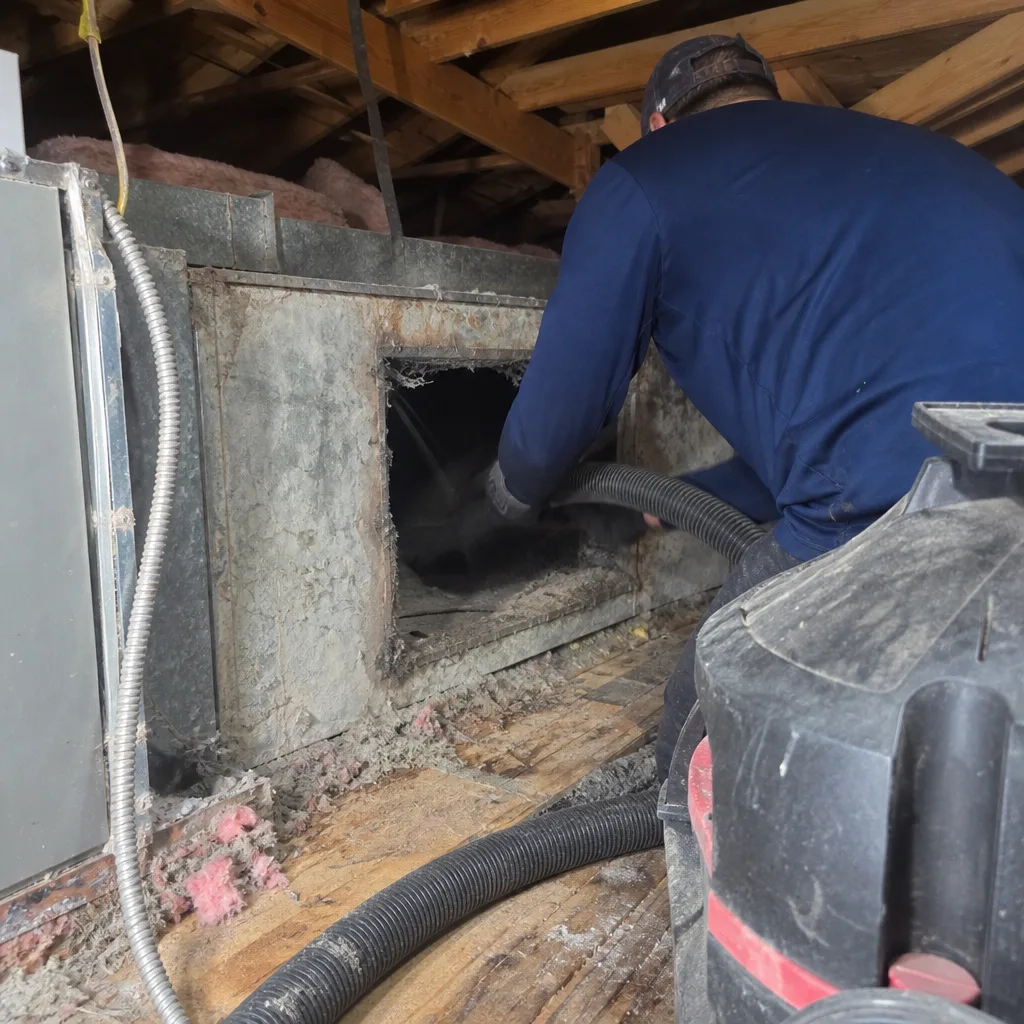 Before
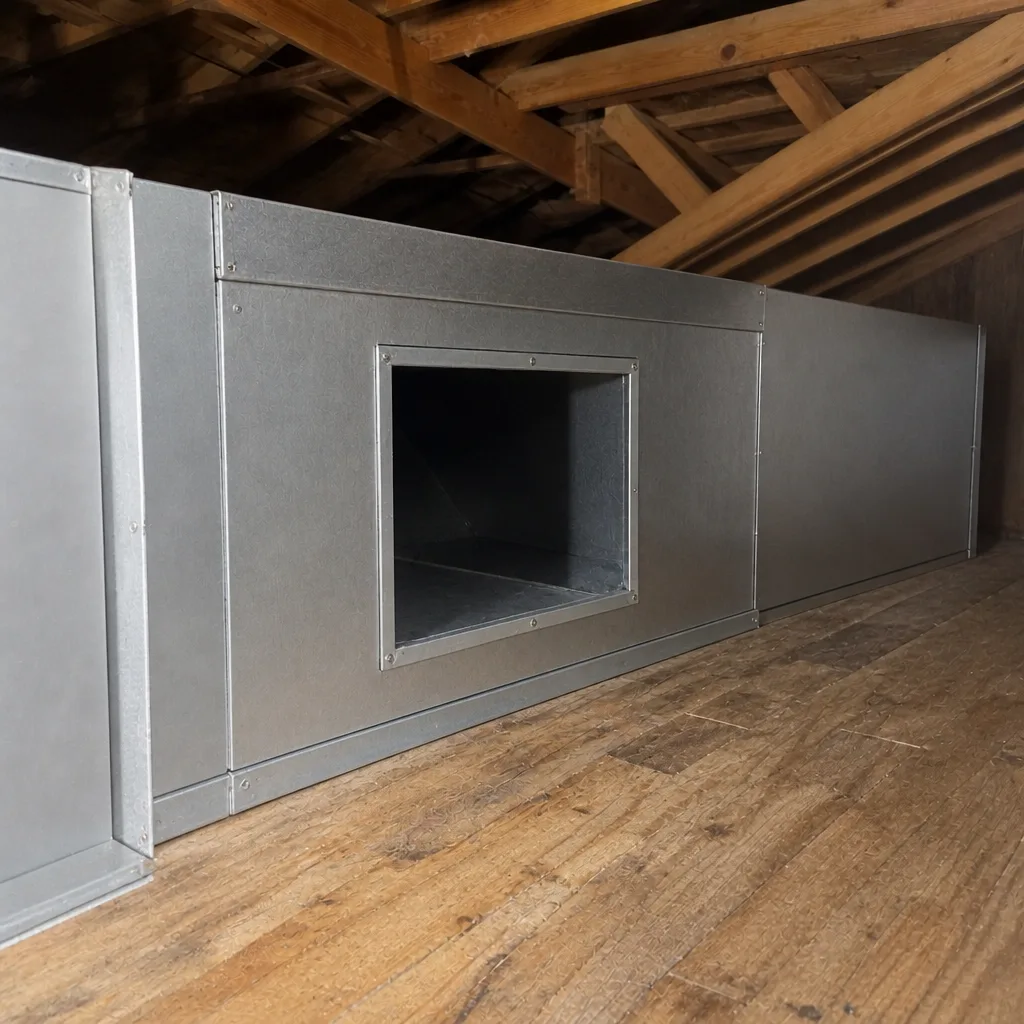 After
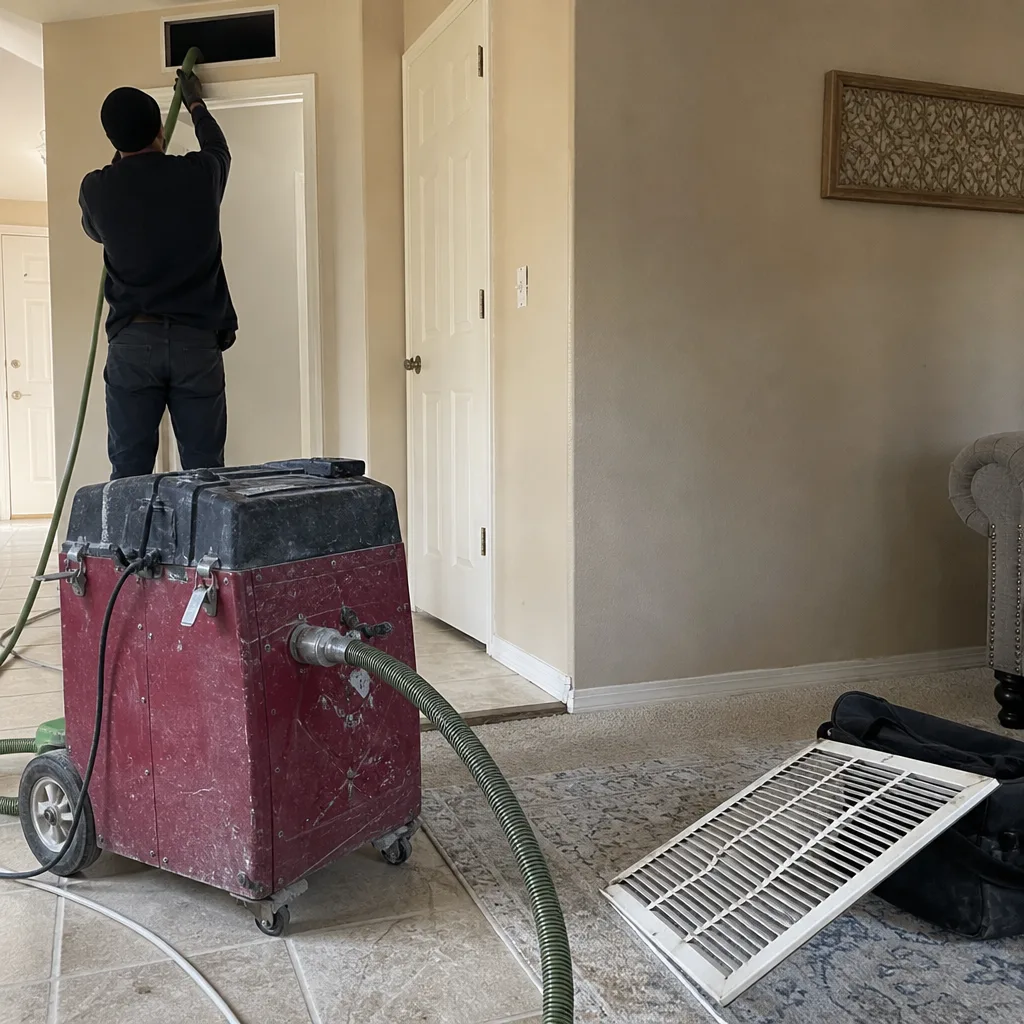 Before
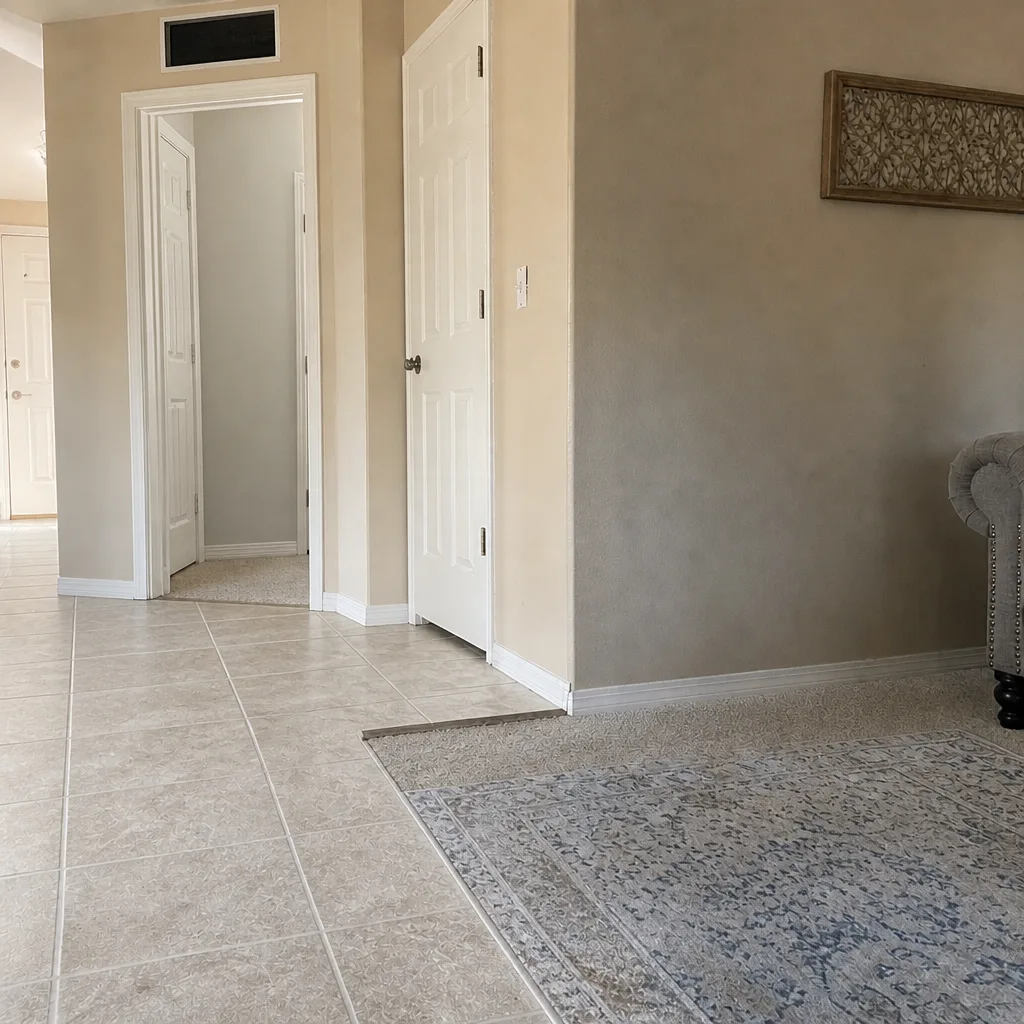 After
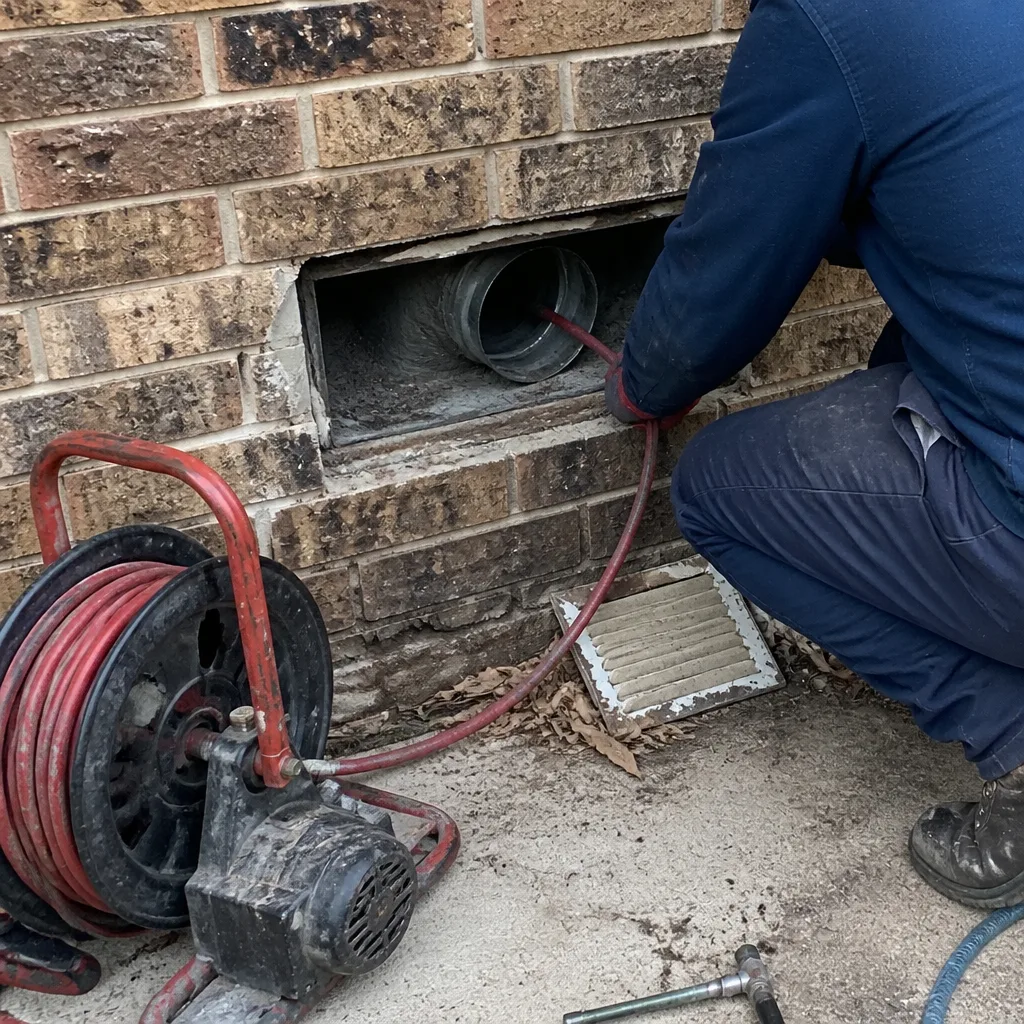 Before
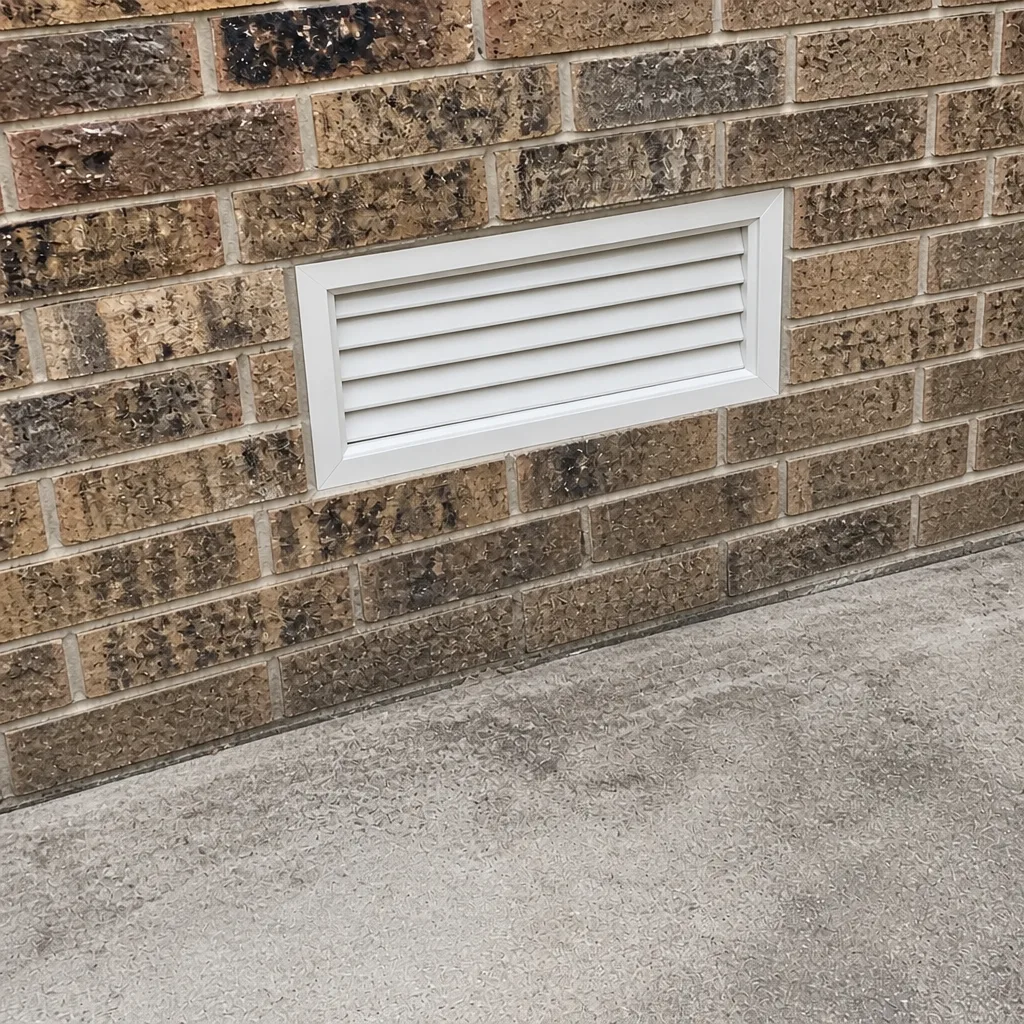 After
Frequently Asked Questions
Duct cleaning in Lubbock is priced per system, not per vent, and the written estimate sets the final price after a walkthrough. Most homes fall into a whole-system price range based on square footage, number of zones, and accessibility of the duct runs, and that price is quoted as a single figure agreed before work starts. If a contractor quotes before asking about your house, that number is a placeholder. Call (833) 958-4715 for an exact quote – estimates are free.
Cheap quotes usually mean the contractor is pricing surface-level contact with the registers, not the full duct network between them, and the equipment behind the hose is consumer-grade rather than trade-grade. Door hanger prices are lead generators; the real scope shows up once the technician is inside. A whole-system quote with a written scope is the honest number to compare. Call (833) 958-4715 to see how ours is structured.
Before-and-after photos of your own ducts, taken at the registers and at accessible points in the system, are the standard verification. A legitimate contractor takes the before photos at the start of the walkthrough and delivers the after photos at the end of the job. Static pressure readings before and after also give you a measured comparison. Ask for both in the written quote. Call (833) 958-4715 for a quote that includes photo documentation.
For most Lubbock homes, cleaning every few years is reasonable, and the interval depends on whether there are pets, recent renovations, allergy concerns in the household, or a history of the system running with damaged ducts. Homes with persistent dust or visible debris benefit from more frequent attention. The right interval comes from a walkthrough, not a generic recommendation. Call (833) 958-4715 for a free estimate.
It matters as a floor, not a ceiling. NADCA membership signals that the contractor has engaged with industry standards, but it doesn’t guarantee that the technician on the truck is using a rotary brush system or a HEPA-filtered vacuum, and it doesn’t guarantee local execution quality. Use it as one filter and pair it with the equipment questions. Call (833) 958-4715 and ask us the equipment questions directly.
If air is escaping or the ductwork is disconnected, crushed, or leaking, you need repair, not cleaning – cleaning a system with a broken run is work half-done. If the ducts are dirty but structurally sound, cleaning is the answer. The walkthrough is where the distinction gets made, and the written quote should reflect the correct scope. Call (833) 958-4715 for a free estimate that includes repair assessment.
The Bottom Line
Vetting a duct cleaner in Lubbock comes down to four questions about equipment and one question about pricing structure. Ask about the vacuum’s CFM, the brush drive type, the HEPA filtration on the extraction unit, and whether the system is portable or truck-mounted. Then ask whether the quote is per-vent or whole-system. A contractor who answers all five directly is a technician-level operator. One who hedges is telling you something useful. NADCA membership is a filter, not a guarantee. The walkthrough, the written scope, and the before-and-after photos are what actually verify the work. If you’re in Lubbock and you’re ready to get a straightforward answer to those questions, we’re reachable any time.
Call Duct Cleaning Lubbock at (833) 958-4715 for a free estimate. We answer 24/7. Fast dispatch from 7am to 7pm, Sunday through Friday. When you’re ready to book Lubbock duct service, the estimate is free, the price is set per system by the written estimate, and before-and-after photos come with the job.
Written by the team at Duct Cleaning Lubbock.