
Last updated November 15, 2026
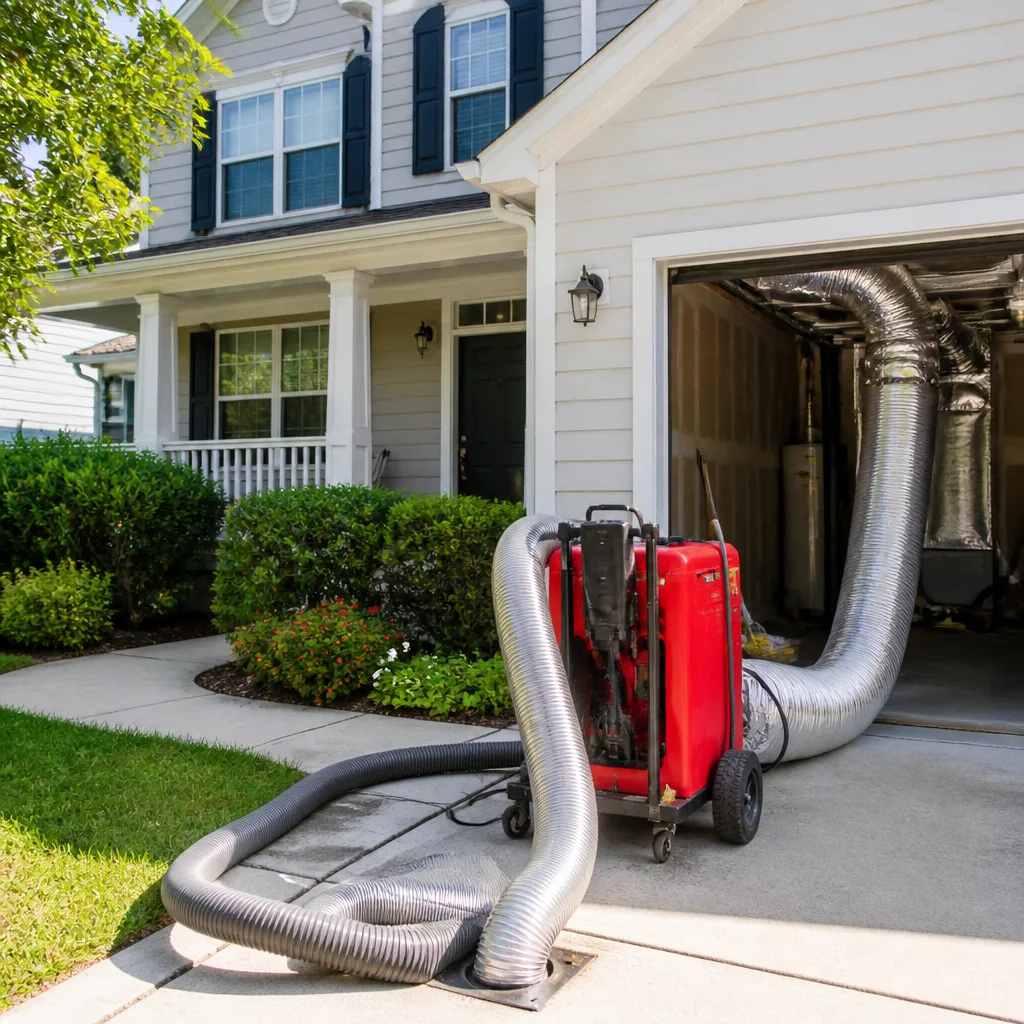 Whole-home duct cleaning
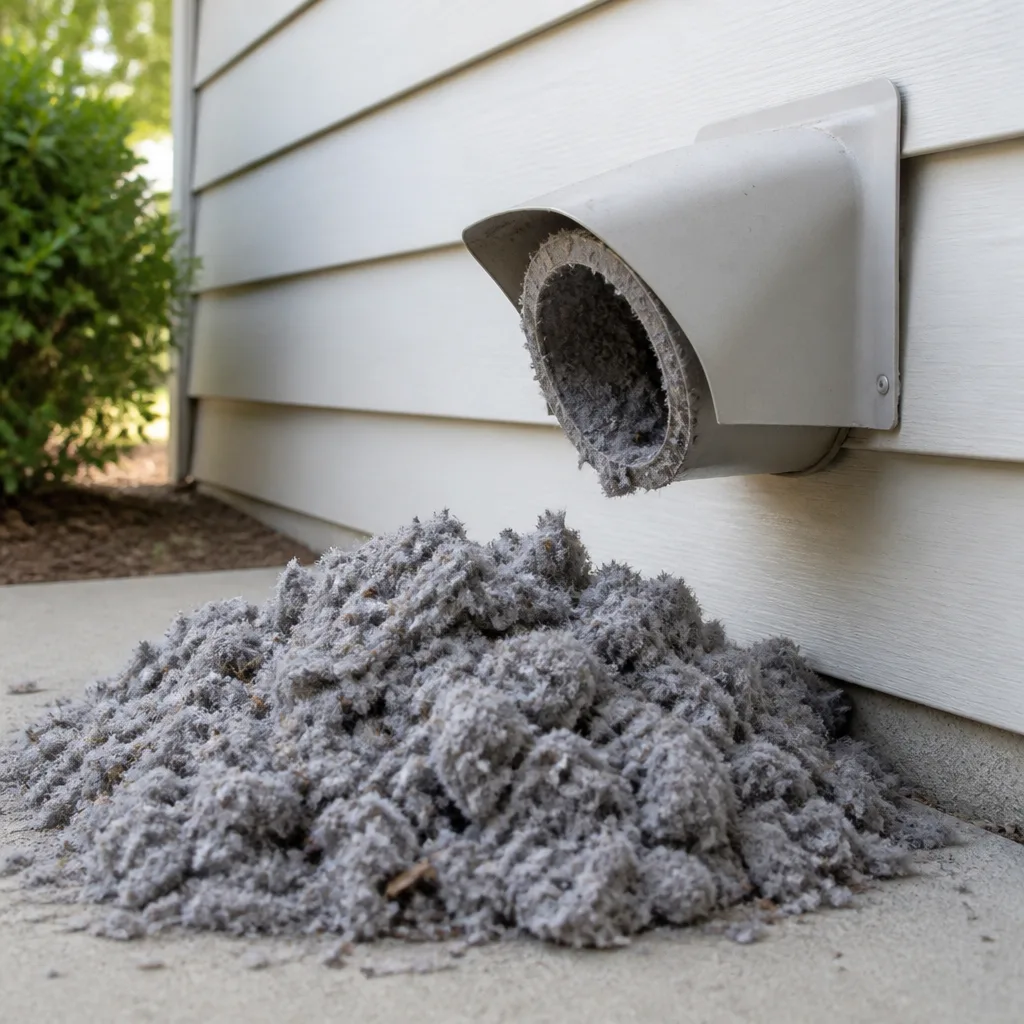 Dryer vent cleaning
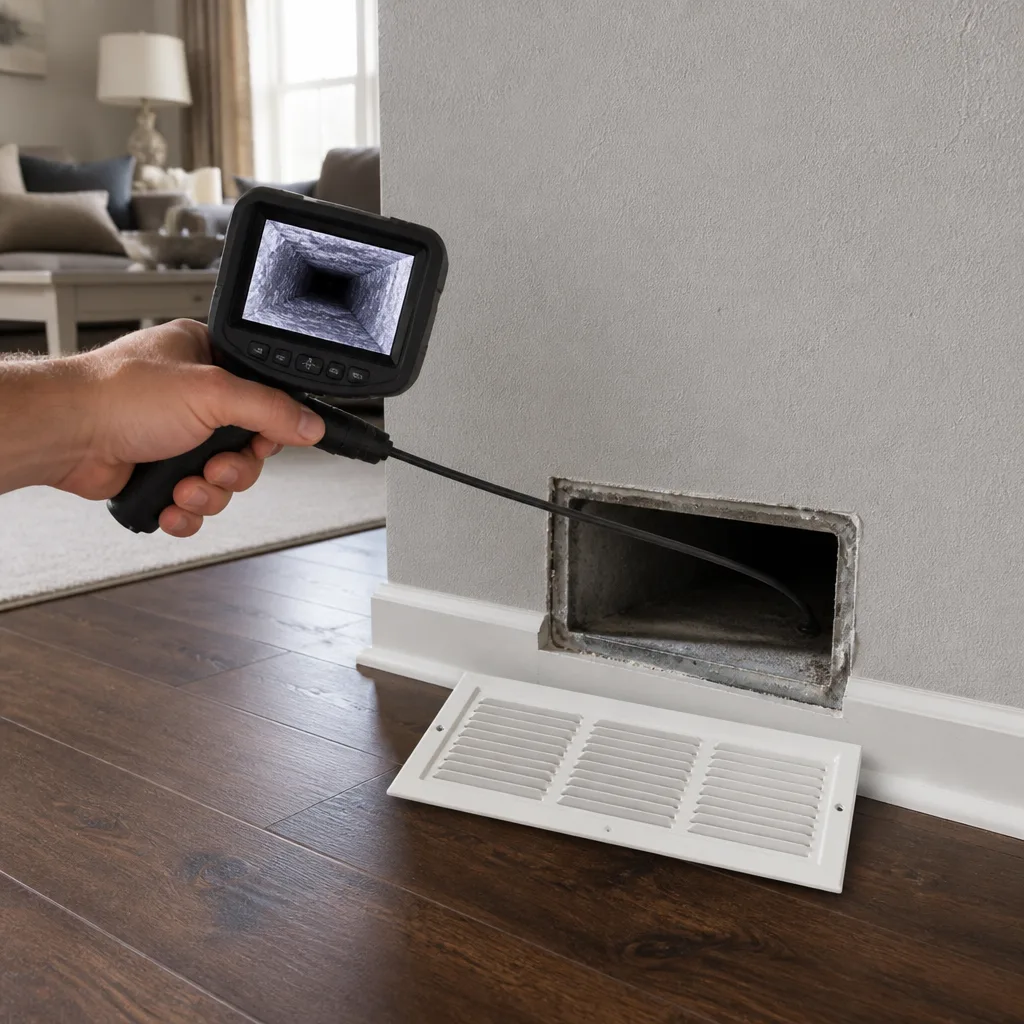 Camera inspection
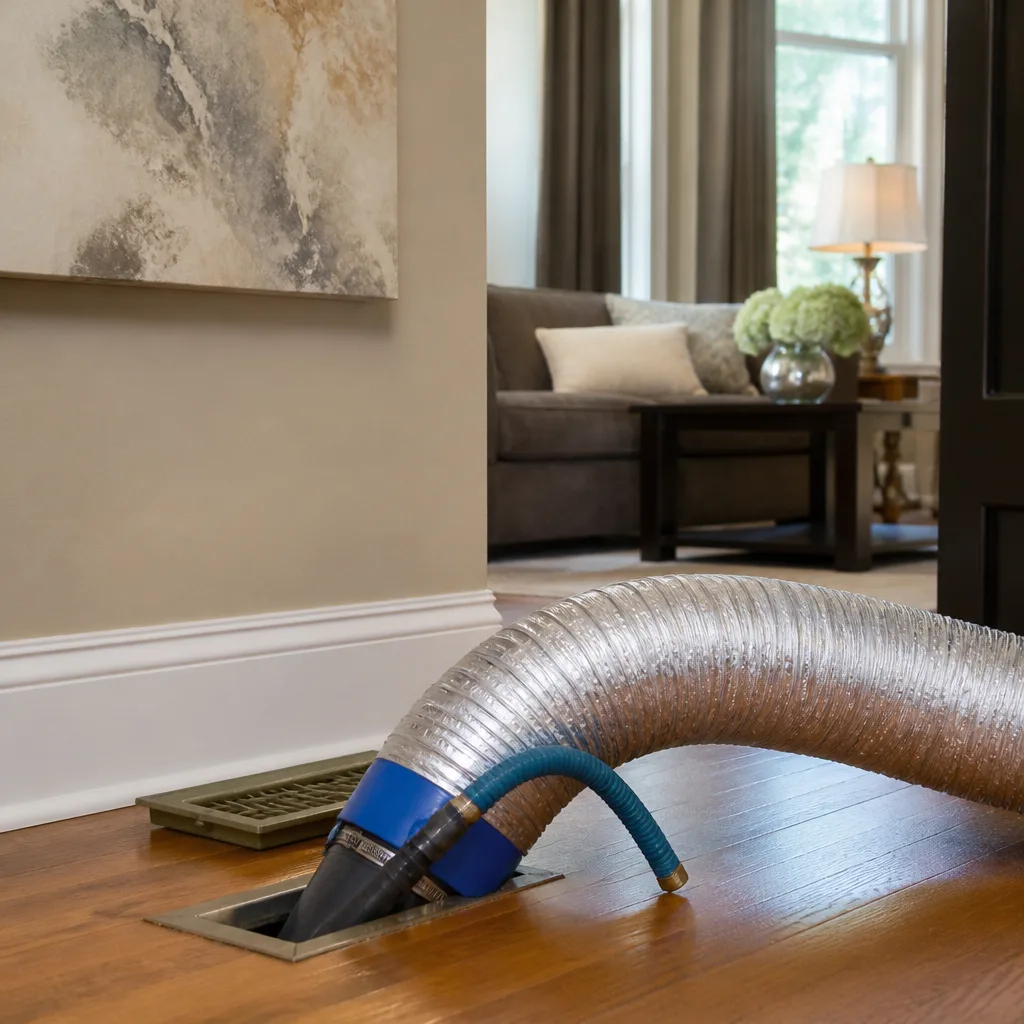 Sanitizing & deodorizing
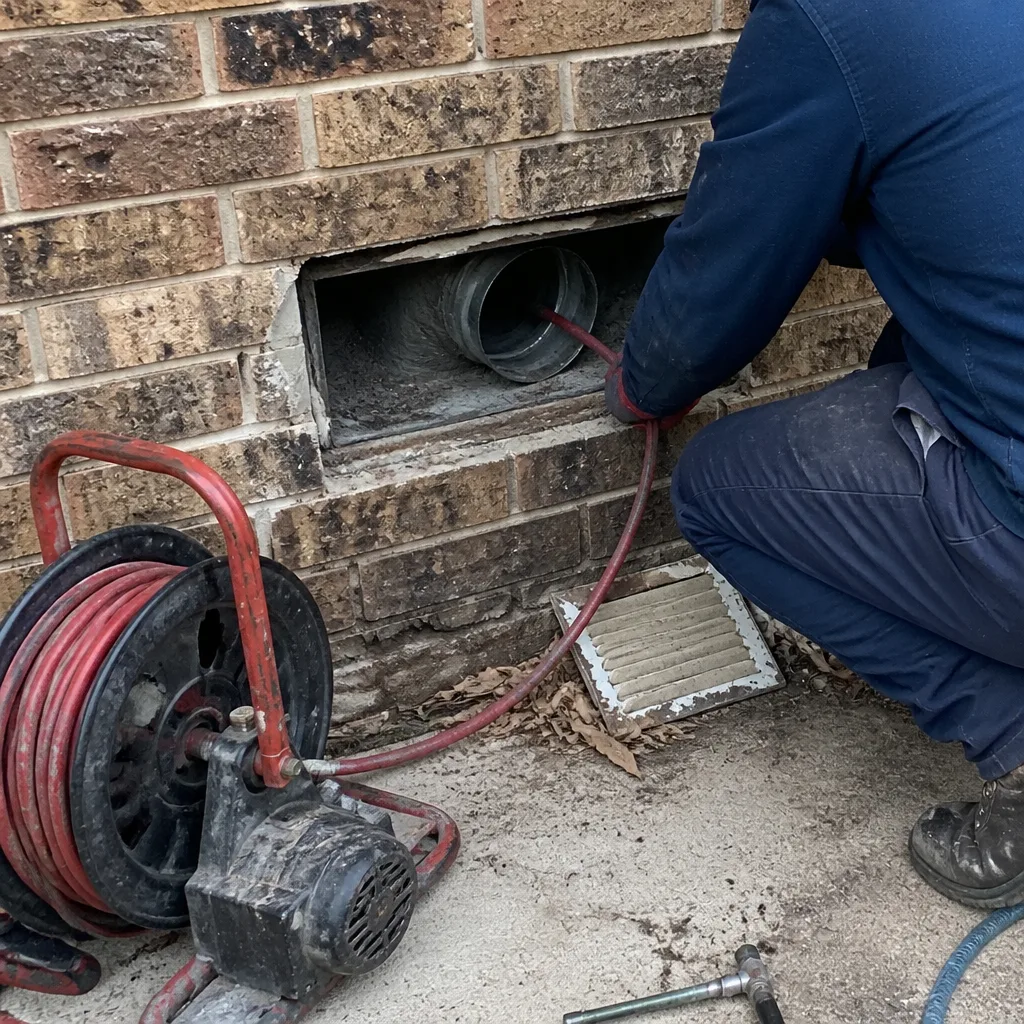
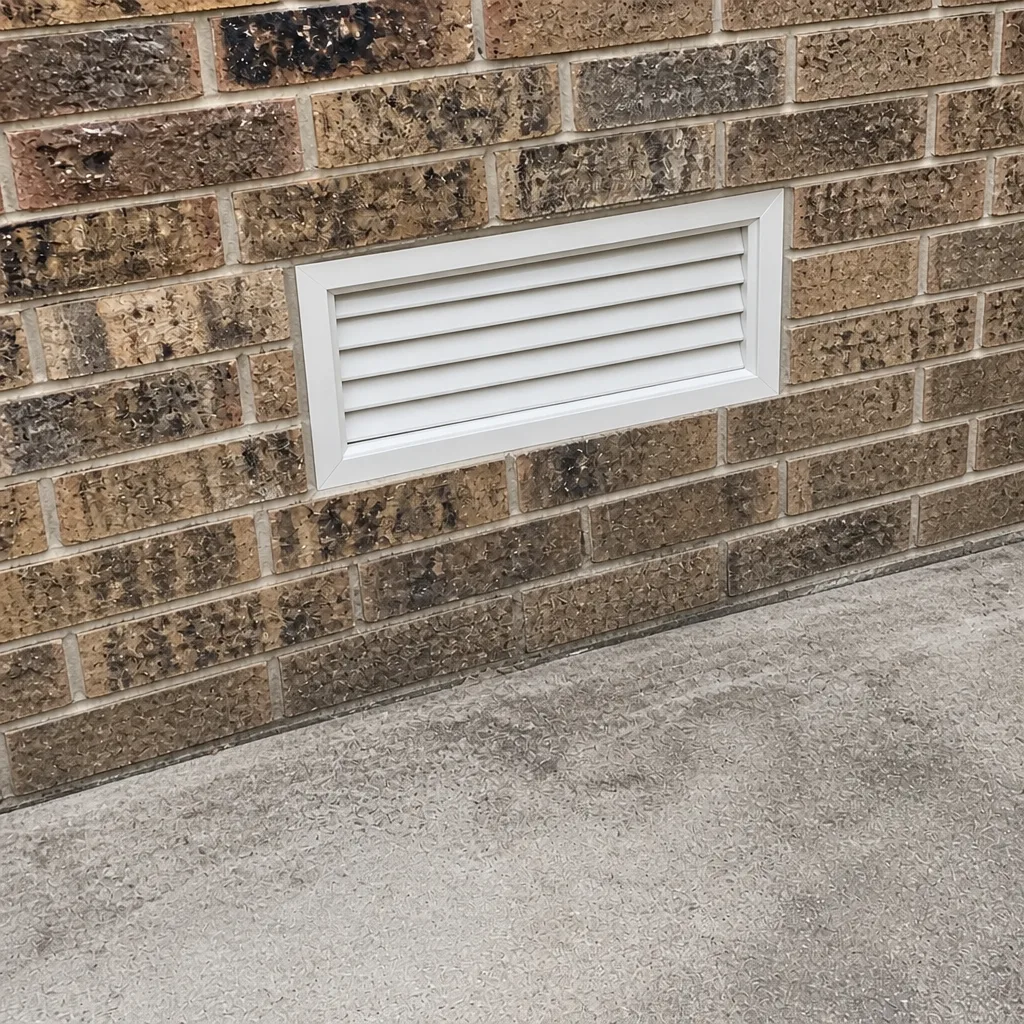
Whole-system duct and dryer vent check with before-and-after photos - you see exactly what came out of your vents
That "$99 whole-house special" is a bait ad - the real number appears once they are in your hallway, or the "clean" is a shop-vac at the register. We photograph the inside of your ducts before and after instead.
Air Duct Cleaning Troubleshooting in Lubbock: Common Problems and How to Fix Them
If your vents are blowing visible dust within days of a cleaning, the problem isn’t dirty ducts. It’s a breach somewhere on the return side that’s pulling unconditioned attic air straight into the system. Most homeowners assume duct cleaning failed, or that the company did a bad job. In our experience the cleaning was fine and the system was never the issue. What failed was a joint, a seal, or an access panel that recontaminated the ducts within a week. Lubbock makes this worse than most places: heavy dust events, caliche grit that finds every gap, and HVAC units that short-cycle hard in July. This guide treats each symptom as a diagnostic signal, so you can figure out what’s actually wrong before spending money on the wrong fix.
Quick Answer
Three problems account for most air duct trouble in Lubbock homes: dirty ducts from West Texas dust loads, air leaks at access panels and flex-duct connections in the attic, and short-cycling HVAC that stirs up settled debris faster than a normal cleaning schedule can keep up with. Diagnose before you clean. Check your registers with the tissue-and-flashlight test, look for gaps at attic connections, and note how often your system runs. Cleaning fixes dirty ducts. Sealing and repair fix leaks. Confusing the two is why some homes look dirty again within weeks.
Styles & brands we work with
- Whole-home duct cleaning
- Dryer vent cleaning
- Camera inspection
- Sanitizing & deodorizing
Table of Contents
- Is it dirty ducts, or is it an air leak?
- The tissue-and-flashlight test at your registers
- Why Lubbock’s dust events create surge contamination
- What short-cycling does to dust accumulation
- Telling mold-suspect contamination from ordinary dust
- Where attic connections fail in Lubbock heat
- Dryer vent troubleshooting
- Common mistakes to avoid
- When to call a professional
- Frequently asked questions
Is it dirty ducts, or is it an air leak?
Dirty ducts and leaking ducts look almost identical from the register. Both send dust into the room. Both make filters load up fast. Both can push up energy bills. The difference is what fixes them, and no amount of cleaning will close a leak.
Start with this question: did the dust come back quickly after a cleaning? If vents stayed clean for a year or two, you had a dust problem. If dust was visible again within a few weeks, you’re almost certainly pulling unfiltered air into the return side somewhere. That unfiltered air usually comes from the attic or crawl space, which in a Lubbock home is where the real contamination lives.
Here’s what separates the two:
- Dirty ducts: dust returns gradually, filter loading is steady, all rooms are affected about equally.
- Leaking ducts: dust returns almost immediately, one or two rooms are much worse than the rest, and you may notice higher dust on the return grille itself than on the supply registers.
- Leak at the air handler cabinet: you may see dust streaks near the unit or find a fine dust film on the equipment top.
- Disconnected flex duct: one room heats or cools noticeably worse than the others, or you feel weak airflow at a register you know used to blow hard.
If the second or fourth pattern fits, cleaning first is money wasted. The fix is air duct cleaning to clear what’s already inside, followed by repair and sealing, then confirmation that the joints hold. That sequence matters. Cleaning a leaking system just gives the leak fresh material to work with.
The tissue-and-flashlight test at your registers
You can check a register in about thirty seconds and learn a lot. You’re not opening the system. You’re watching how it behaves.
- Turn the system on and let it run for a few minutes so airflow stabilizes.
- Hold a single-ply tissue near the supply register but not touching it. It should be pushed away steadily. A flutter or weak push suggests restricted or leaking supply.
- Hold the tissue at the return grille. It should pull toward the grille with steady force. If the pull is weak or uneven across the grille, the return path is restricted or the return duct has a gap pulling air from somewhere else.
- Shine a flashlight along the edges of the register frame where it meets the wall or ceiling. A visible dark line or a draft at an edge means the register isn’t sealed to the drywall or boot.
- Shine the flashlight inside the supply boot just past the register. Heavy dust on the boot walls that looks fresh is normal. Dust that looks like it’s blowing past a gap is not.
- Note the color of dust on the register if you can see it. Grey or white dust near an attic-facing register is a flag that attic air may be getting in.
Run this test on a register in each major room. Uneven results between rooms tell you more than a single check. If a bedroom runs weak and the hallway runs strong, the problem is probably the branch duct, not the whole system.
Two things worth saying plainly. First, this test tells you where to look, not what’s wrong. Second, if you find dust blowing out of a joint near the air handler, stop there and call a professional. That’s a job for someone who can open the cabinet and assess the connection safely.
Why Lubbock’s dust events create surge contamination
Most cleaning schedules assume dust accumulates at a steady, predictable rate. Lubbock doesn’t work that way. Spring fronts and the occasional haboob push enormous dust loads through the air in a single day. A home’s filtration can’t catch it all, and the dust that makes it into the house lands on registers, in boots, and behind the system’s filter before settling deeper.
What this means for you: a cleaning that made sense in a quiet year may need to happen sooner after a heavy dust spring. If you had a serious dust event pass through Lubbock in the spring and you noticed dust settling on furniture within a day, your ducts likely took on a one-time surge. That’s not the same as gradual buildup.
Practical moves for surge contamination:
- Change the filter immediately after a major dust day. Not in a week. Same day if you can. A loaded filter is a bypass waiting to happen.
- Check the return grille first. That’s where surge dust lands hardest.
- Watch your indoor humidity. Drier air holds more fine particulates, and Lubbock gets dry.
- Don’t rely on a calendar. Cleaning should follow the dust events your home actually saw, not just a fixed date.
We’ve seen homes in Lubbock where a spring haboob effectively doubled the dust load in two days. That’s not a schedule problem; it’s a surge problem, and the cleaning timing should follow the surge.
What short-cycling does to dust accumulation
An HVAC system that runs short cycles does something worse than fail to cool efficiently. It stirs up dust that would otherwise settle. Every time the blower kicks on, air rushes through the ductwork and lifts fine particles off the bottom of the runs. In a normal system they’d settle and stay put between cleanings. In a short-cycling system they get carried back into the room air, filter, and registers, then settle, then get lifted again.
You can spot short-cycling here:
- The system turns on and off in a slow rhythm, and the on-cycles feel very short relative to the off-cycles.
- Rooms don’t reach the set temperature before the unit cuts off.
- The system runs constantly during milder weather instead of settling into longer, gentler cycles.
- Dust settles on surfaces hours after the system kicked on, not right at the start.
Oversized systems are common in Lubbock, which makes the short-cycling pattern more likely here than in milder climates. When a system is too big for the home, it reaches temperature fast and shuts down, then restarts. Dust never gets a chance to lie still.
What you can do about it: check that your filter isn’t over-restrictive for your system (a high-MERV filter on an undersized return is a common culprit), look for blocked or pinched flex runs that restart airflow to a boil every cycle, and get a real assessment of whether the system is running longer than it should. Cleaning removes what’s there. Repair and airflow correction reduce how fast it comes back. If your supply runs are pinched or the return is undersized, no amount of repeat cleaning will fix the dust film on your furniture.
Telling mold-suspect contamination from ordinary dust
Dust in a Lubbock duct is usually grey, brown, or tan. It has a dry, mineral smell. Mold-suspect contamination looks and smells different, and the difference matters because the fix and your safety precautions are not the same.
What to look for before you pick up the phone:
- Smell: ordinary dust smells faintly of dry earth. A musty or damp-earth smell that gets stronger when the system runs is a flag.
- Color: black spotting, green patches, or a mottled grey-green film inside the boot or on the register face are worth escalating.
- Location: contamination near the air handler cabinet, near the evaporator coil, or at the return plenum is more of a concern than dust at the wall register, because moisture in the system tends to collect there.
- Recent moisture: any recent water intrusion, condensate leak, or extended high-humidity stretch inside the system increases the likelihood.
If those patterns fit, the right move is not to clean with a rotary brush right away. It’s to have the system assessed by someone with the right equipment to handle contamination safely. Our team works with Abatement Technologies equipment, which is standard in contamination control and HEPA-filtered negative-air work. That capability exists for situations where contamination is elevated enough that ordinary cleaning isn’t the right response.
We want to be straight with you: duct cleaning is not mold remediation. If you suspect active mold growth in the system, you need a remediation assessment before anyone starts cleaning, and that’s a different scope. What we can do is help you decide which situation you’re in.
Where attic connections fail in Lubbock heat
Lubbock attics reach 100°F and beyond in summer. Heat drives expansion. Then the night air cools things down and the metal contracts. After enough cycles, the joints that weren’t perfectly sealed from the start work themselves loose. That’s the pattern, and it shows up in the same places again and again.
The specific failure points to check in a Lubbock attic:
- Access panels on the air handler cabinet. These are meant to seal tightly. When the gasket degrades, the panel becomes a pinhole through which attic air enters the return. Check for dust streaking around the panel edges.
- Flex duct connections at the plenum takeoff. The band clamp or zip tie that holds flex to the metal collar is a known weak point. A gap of 1/8 inch is enough to pull attic dust.
- Flex duct joints where two sections meet. Anywhere a run was extended or spliced. Look for tape lifting or a visible dark gap.
- Boot-to-floor transitions. The duct boot meets the ceiling or floor penetration with a flange. If the boot wasn’t sealed to the drywall at installation, it’s a permanent leak.
- Return plenum seams. The return side is the most common source of attic air infiltration, and its seams are easy to miss because they’re inside the cabinet.
- Duct board seams on older systems where board sections meet without mastic.
What to do about it: this is genuinely a professional job if the gaps are on the return side or near the cabinet. Attic access at 100°F-plus is a real safety issue, and working around a live air handler isn’t a homeowner task. Air duct repair fixes the structural cause, which is why we offer it as a standalone service and not just an add-on to cleaning. You can see the full scope on our Duct Cleaning Lubbock page.
Dryer vent troubleshooting
A clogged dryer vent isn’t inconvenient. It’s a fire hazard waiting to be cleared, and it’s a leading cause of residential house fires. Most homeowners notice the symptom weeks after the problem started.
Signs your dryer vent needs attention:
- Clothes take longer to dry than they used to.
- The dryer feels hot to the touch on top or at the door.
- The outside vent flap doesn’t lift when the dryer is running.
- Lint accumulates near the vent opening or behind the dryer.
- A burning or stale smell in the laundry area when the dryer runs.
What you can check safely: the outside flap, the lint trap, and whether the flexible connection behind the dryer is kinked or crushed. What you should not do is disassemble the duct run or try to snake it yourself. Dryer vents carry heat, lint, and moisture together. A poorly reassembled connection can be worse than the clog. dryer vent cleaning clears the run with the right tools and confirms that the vent actually exhausts outdoors.
If you’re not sure what’s normal for your dryer, pay attention to drying times for a week. Clothes that took 40 minutes and now take 70 are telling you something.
Common mistakes to avoid
- Cleaning before checking for leaks. If your system has an unsealed return connection, cleaning just restocks the problem. Two weeks later you’re writing the same complaint you wrote before the cleaning. Diagnose first, clean second, repair as needed.
- Using a shop-vac on the registers. A household vacuum can’t extract dust from the deeper runs, and it can push fine particles back into the room. Professional equipment like the Rotobrush rotary system and Nikro HEPA vacuums is built for the job. A shop-vac isn’t.
- Choosing on price alone. A very low bid usually means a blow-and-go operation, and the dust returns in weeks. You end up paying twice. Whole-system pricing from a contractor-grade operation is what keeps the ducts clean.
- Ignoring the return side. Homeowners focus on supply registers because they’re easier to see. The return grille and plenum are where Lubbock attic air gets in, and the return side is where most of the trouble actually lives.
- Cleaning once and assuming it’s a lifetime fix. West Texas dust loads don’t stop. Springs with heavy fronts load the system fast. Cleaning intervals should track what your house has actually been through, not a calendar set in another climate.
- Skipping the air handler check. A cabinet panel that isn’t sealing is a permanent leak that makes all the supply-side work pointless. Ask whether the technician checks the cabinet on the way through.
- Late filter changes after a dust event. Changing the filter two weeks after a haboob means two weeks of dust pulled through a loaded filter into the system. Change it the same day.
- Assuming a chemical smell is cleaning product. A musty or damp smell after cleaning usually means moisture in the system that the cleaning didn’t remove, not a product. If it persists, that’s a call back and a real assessment.
When to call a professional
Some things are worth trying on your own. A filter change is one. A tissue-and-flashlight check at a register is another. Here’s where we’d stop and hand it to a technician.
Call a professional if dust returns within a few weeks of a cleaning, if you spot a gap at an attic connection, if a musty smell follows the system when it runs, if one room gets noticeably weaker airflow than others, if the dryer is taking longer than it did a year ago, or if the air handler cabinet has visible gaps. Each of those points to a specific fix that only shows up under inspection with the right tools.
Duct Cleaning Lubbock offers free estimates in Lubbock. Call (833) 958-4715. We answer 24/7. Fast dispatch from 7am to 7pm, Sunday through Friday. Our technicians have up to 9 years of experience, and we bring contractor-grade equipment (Rotobrush rotary cleaning, Nikro HEPA vacuums, Abatement Technologies for contamination situations) to every job. You get one flat price per system agreed before work starts, no per-vent pricing games, and before-and-after photos of your own ducts so you can see what was done.
Frequently Asked Questions
Almost always because the system has a leak on the return side that’s pulling attic air into the ducts. Cleaning removes what’s inside, but an unsealed joint, access panel, or flex connection recontaminates the system almost immediately. The fix is repair and sealing, not repeat cleaning. Call (833) 958-4715 for an exact quote – estimates are free.
Pricing is per system, not per vent, and the written estimate sets the final number. Whole-home pricing reflects the size and layout of your duct system, how many runs it has, and whether repair or sealing is included. We don’t quote per-vent prices or teaser coupon figures, because those numbers change on-site. Call (833) 958-4715 for an exact quote – estimates are free.
Do the tissue-and-flashlight test at a few registers. If dust returns within weeks after a cleaning, or if one room is much weaker than the rest, the issue is likely a leak rather than buildup. If dust is even and gradual, it’s probably just buildup. Our team can check both on the same visit.
It depends on what your home has been through, not a fixed calendar. West Texas dust events can load a system in days. A reasonable rhythm is once the dust coming back into the room starts to bother you, with more frequent checks after heavy spring dust fronts. Listen to your filters and registers rather than a set year count.
Yes. Air duct repair is a standalone service, not just an add-on to cleaning. We check the plenum takeoffs, flex joints, boot-to-drywall seals, and cabinet access panels. Attic work in Lubbock summer heat is a professional job, so we do the crawling while you don’t.
A very low quote usually means a quick pass with a shop-vac and no inspection. That’s a blow-and-go operation, and the dust usually returns in weeks. Contractor-grade cleaning uses rotary brush and HEPA equipment, checks the cabinet, and provides before-and-after photos. One flat price per system agreed before work starts is a safer model than a low teaser bid. Call (833) 958-4715 for an exact quote – estimates are free.
The Bottom Line
Duct problems in Lubbock tend to follow the same patterns: heavy dust surges from West Texas fronts, leaks at attic connections in a heat-stressed system, and short-cycling HVAC that churns settled dust back into your rooms. Diagnose before you clean. Check the return side. Change filters the same day as a heavy dust event. And if dust returns within weeks of a cleaning, look for a leak before spending money on another pass.
Three services cover it: dryer vent cleaning, Duct Cleaning Lubbock, and air duct cleaning across Lubbock. Call (833) 958-4715 for a free estimate. We answer 24/7. Fast dispatch from 7am to 7pm, Sunday through Friday. You’ll get one flat price per system, before-and-after photos, and a technician who knows the difference between a dirty duct and a leaking one.
Written by the team at Duct Cleaning Lubbock.
See the difference
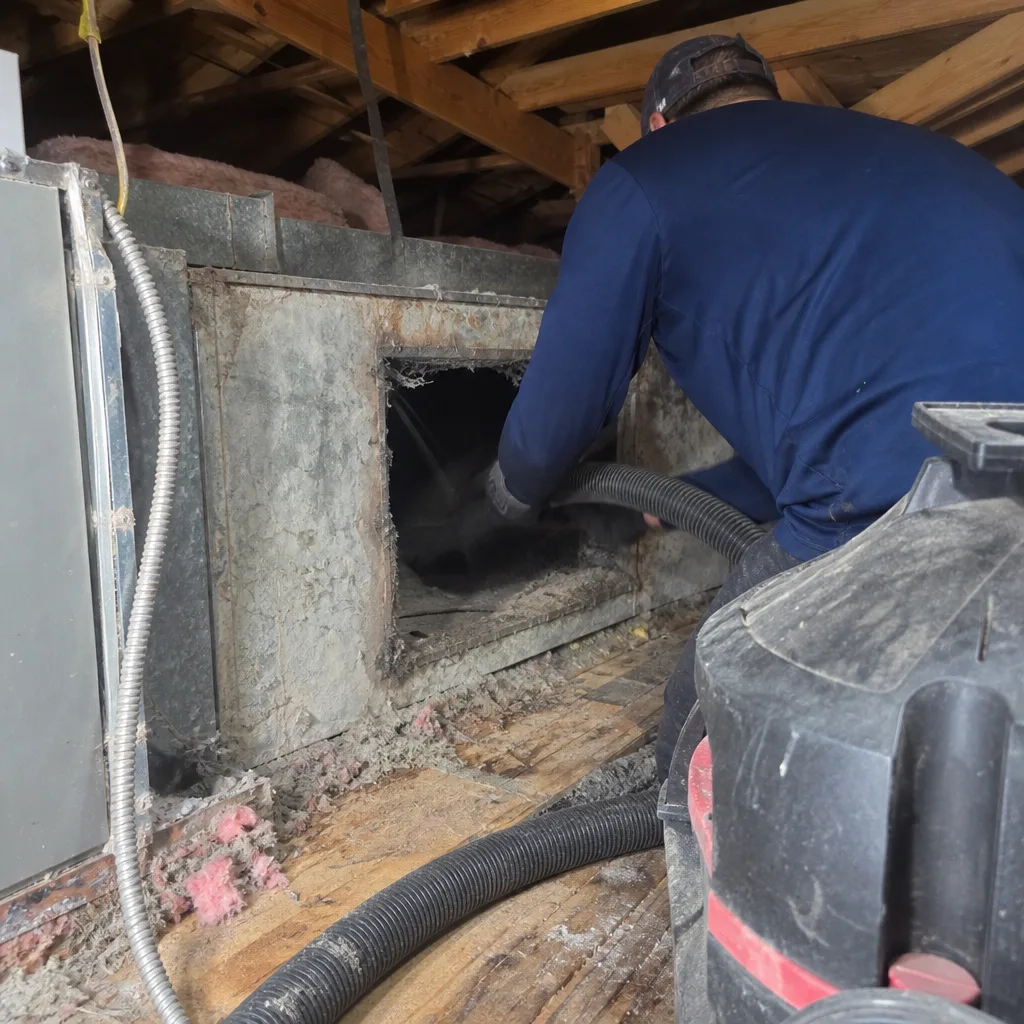 Before
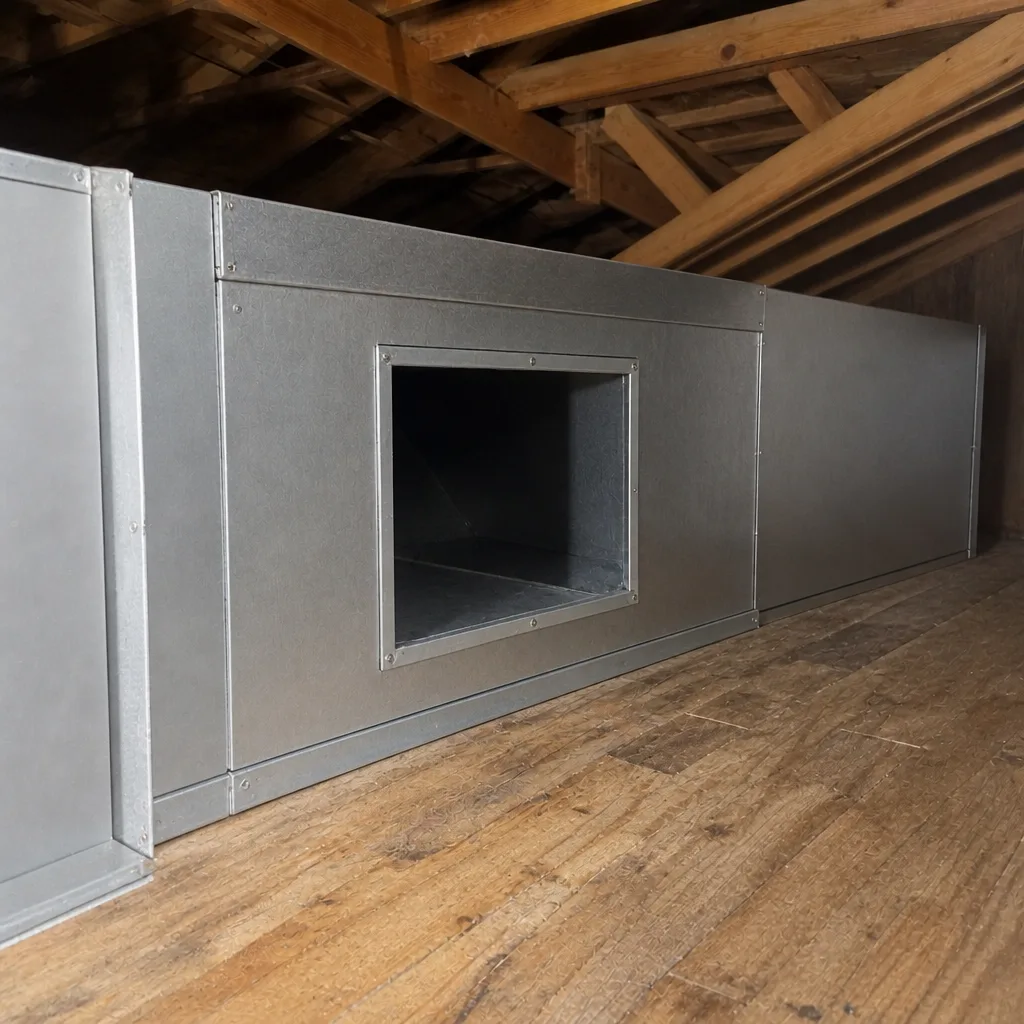 After
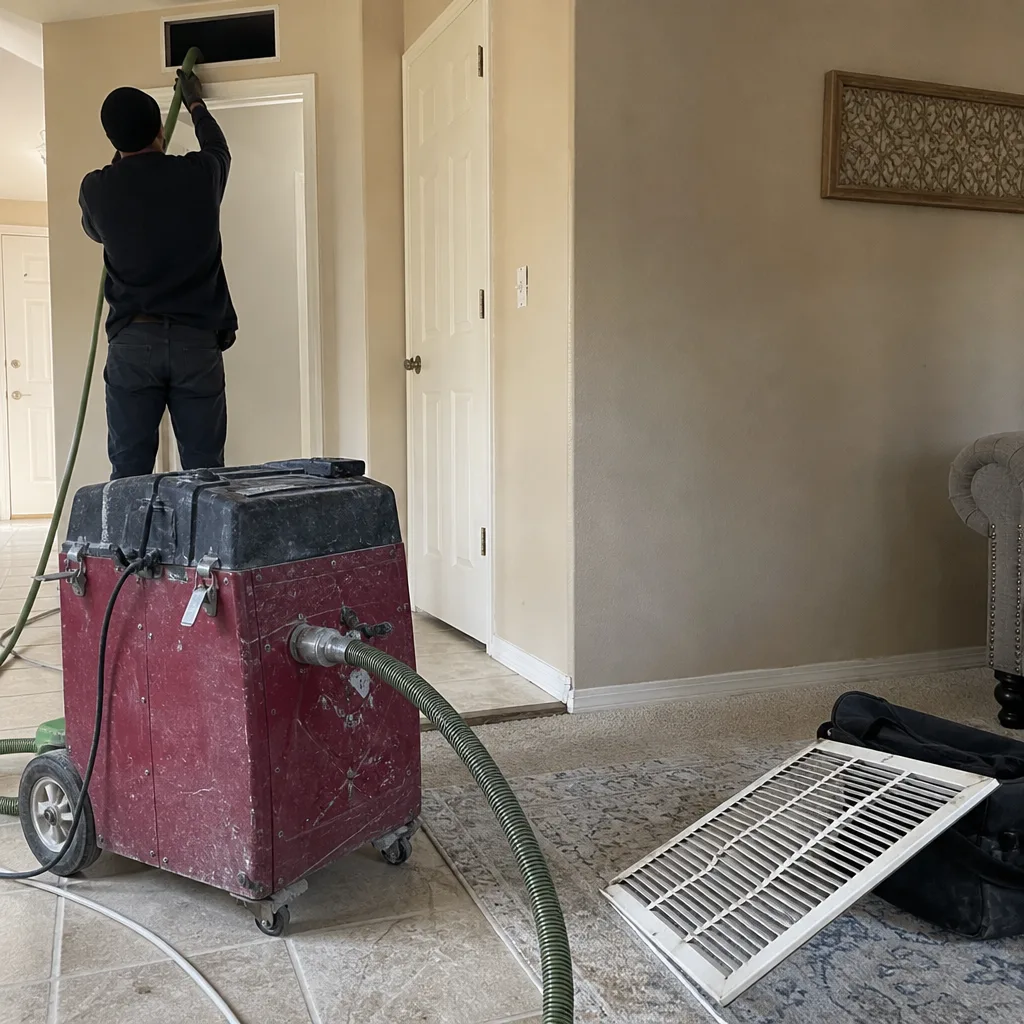 Before
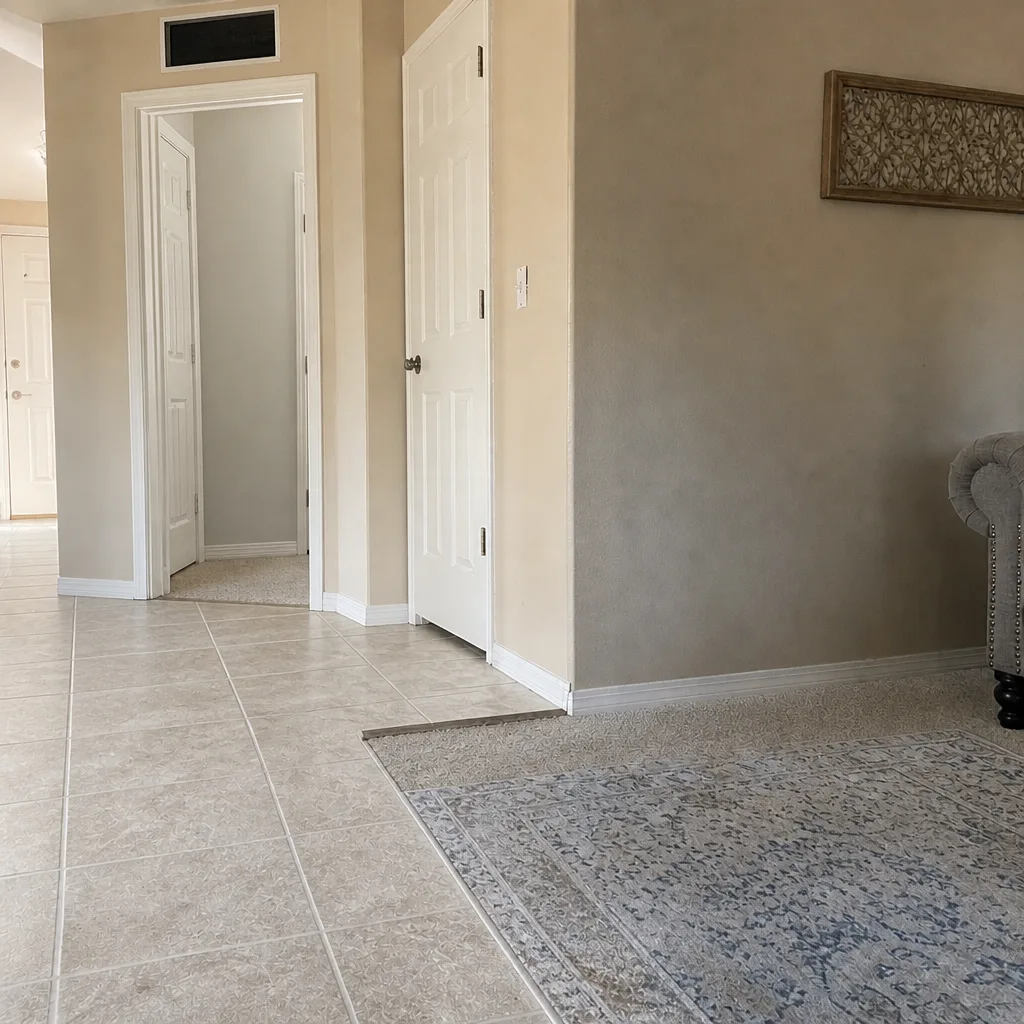 After
 Before
 After