
Last updated November 15, 2026
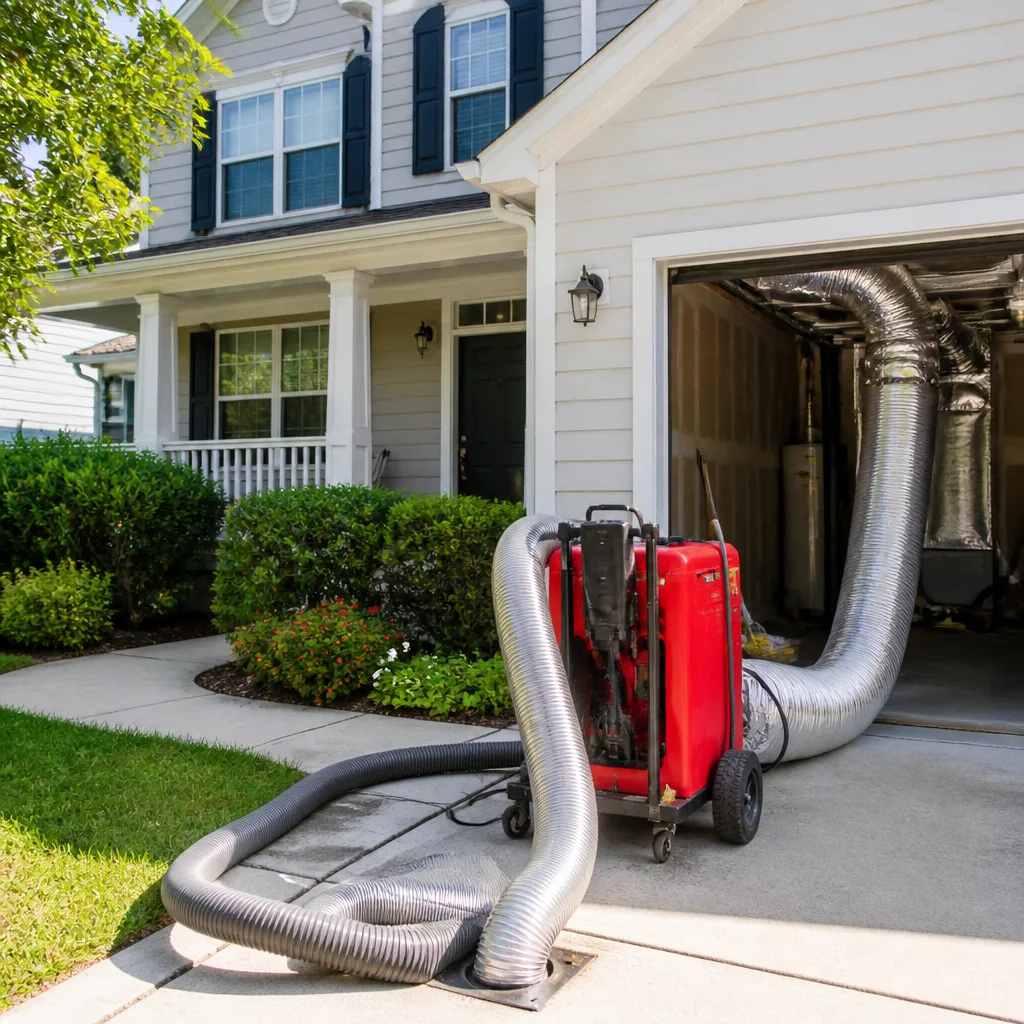 Whole-home duct cleaning
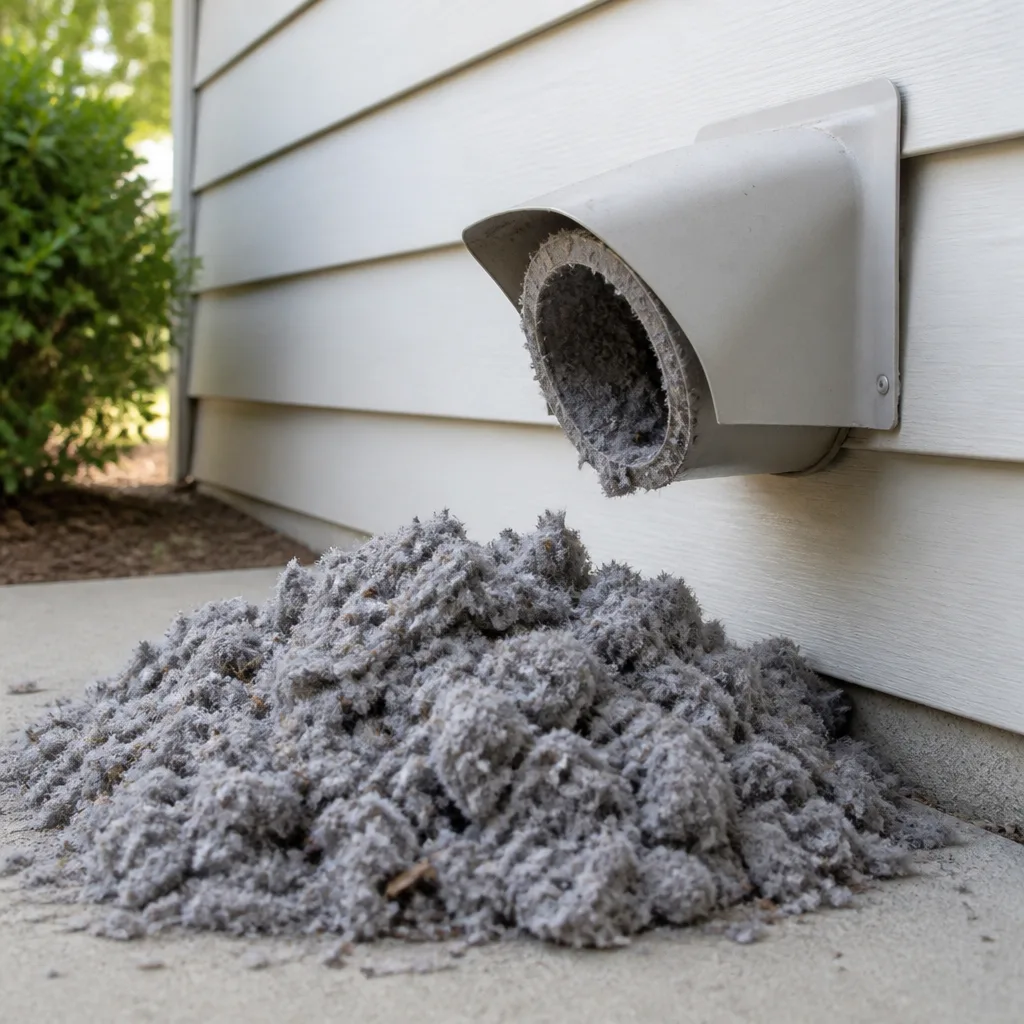 Dryer vent cleaning
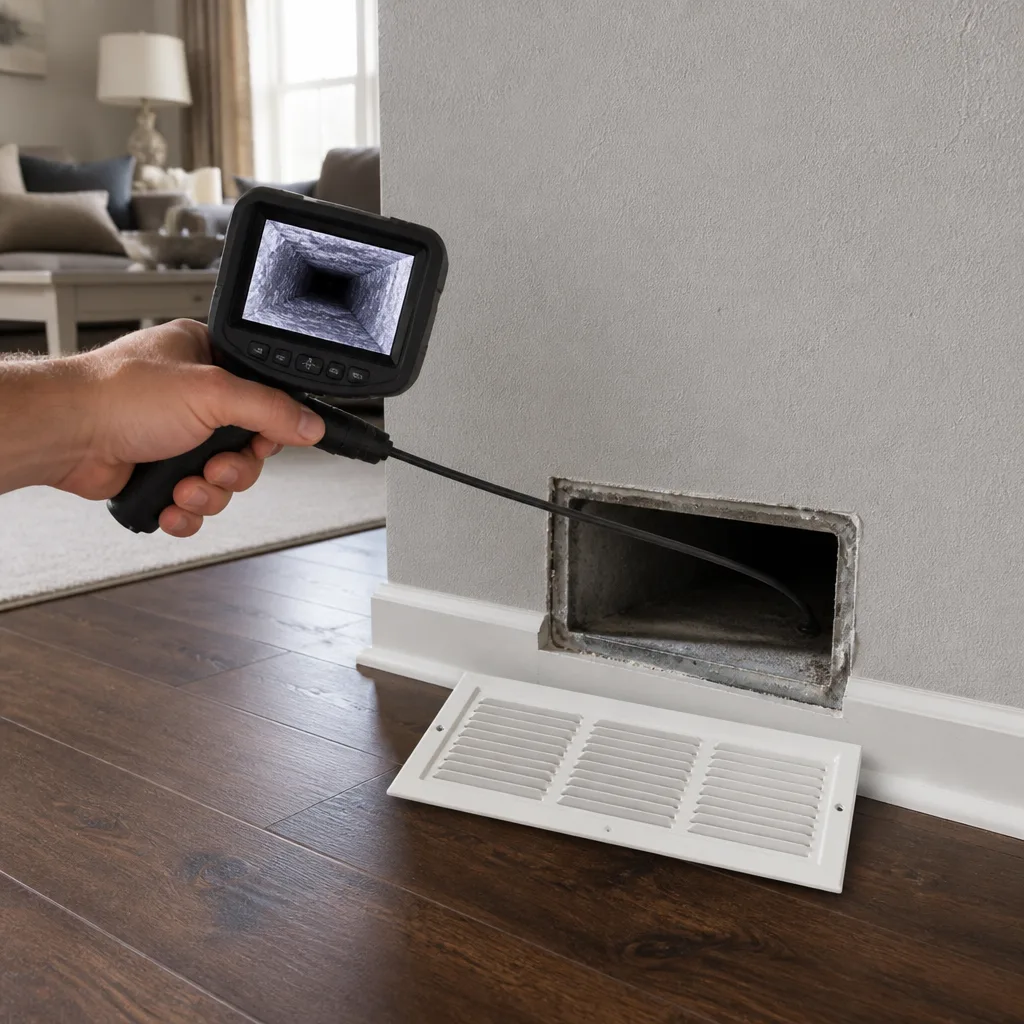 Camera inspection
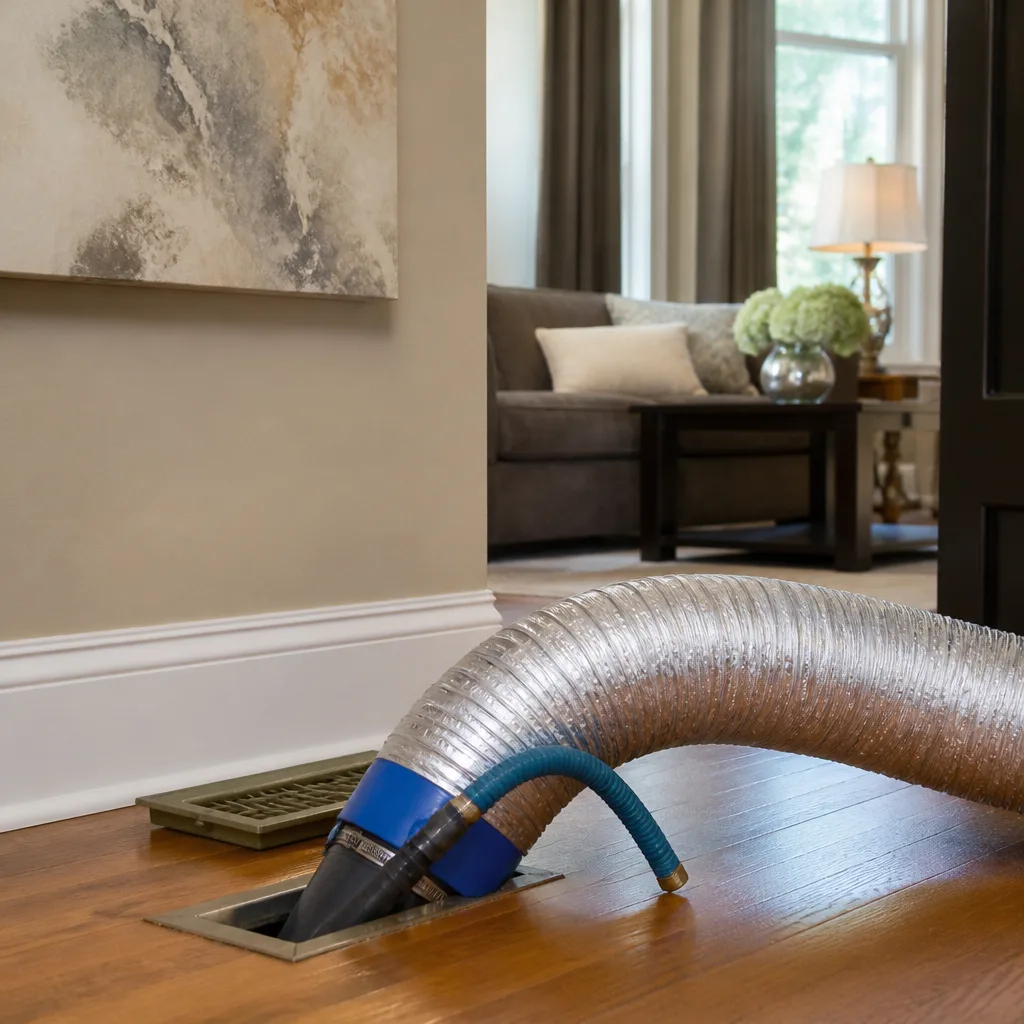 Sanitizing & deodorizing
Whole-system duct and dryer vent check with before-and-after photos - you see exactly what came out of your vents
That "$99 whole-house special" is a bait ad - the real number appears once they are in your hallway, or the "clean" is a shop-vac at the register. We photograph the inside of your ducts before and after instead.
Air Duct Cleaning Permits, Codes & Inspections in Lubbock, TX: What You Need to Know
Here’s a fact that surprises almost every homeowner we talk to: having your ducts cleaned requires no permit at all, but the duct repair a cleaning often turns up very well might. That gap between “maintenance” and “mechanical work” is where people get into trouble. A contractor recommends sealing a leaking trunk line or replacing a collapsed run, the work gets done, and nobody ever pulls a permit from the City of Lubbock Development Services. Most homeowners never learn they needed one until a home sale or an insurance claim forces the paperwork to the surface. This guide walks through what does and doesn’t need a permit in Lubbock, what the Texas State Energy Code expects when ducts are substantially modified, and how to check a contractor’s work through the city’s online permit portal. By the end you’ll know how to separate a cleaning from a repair and protect the work you’re paying for.
Quick Answer
Routine air duct cleaning in Lubbock requires no permit because it’s classified as maintenance, not construction. Duct repair, replacement, or system modifications are different: those are mechanical work and can require a permit under Lubbock’s amendments to the Uniform Mechanical Code. When ducts are substantially modified, Texas State Energy Code duct-leakage requirements (including the 15% leakage threshold) come into play, and the right way to confirm a permit was pulled is through the City of Lubbock Development Services online permit portal.
Styles & brands we work with
- Whole-home duct cleaning
- Dryer vent cleaning
- Camera inspection
- Sanitizing & deodorizing
Table of Contents
- What’s the difference between duct cleaning and duct repair in the eyes of the code?
- Texas State Energy Code: the 15% duct leakage threshold and when it’s triggered
- How to verify a contractor pulled a permit through Lubbock’s online portal
- What “duct sealing” means in a regulatory context vs. a marketing one
- What does a duct-related inspection actually look like in Lubbock?
- Insurance, warranties, and undocumented duct modifications
- Why Lubbock’s climate and housing stock make duct integrity a code issue
- A pre-project permit checklist for Lubbock homeowners
What’s the difference between duct cleaning and duct repair in the eyes of the code?
The line is straightforward once you see it: cleaning takes things out, repair changes the mechanical system. Cleaning removes accumulated dust, debris, and contaminants from inside the ductwork. Nothing about the system’s structure, airflow capacity, or mechanical components changes. A technician runs a rotary brush through the interior and extracts the loosened material with HEPA-filtered vacuum equipment. No permit applies to that work, because there’s no construction to permit.
Repair sits on the other side of that line. When a contractor seals a joint, replaces a damaged section of duct, reconnects a disconnected run, resizes a fitting, or modifies how airflow is routed, they’re altering the mechanical system itself. Lubbock adopts the Uniform Mechanical Code with local amendments, and mechanical alterations to a residential HVAC system fall under that jurisdiction. That’s the trigger. If the work changes the system rather than just cleaning it, a permit may be required.
In our experience, this distinction gets blurred at the worst possible moment. A homeowner books a cleaning, the technician discovers a crushed flex run or a disconnected boot feeding a bedroom, and the recommendation to fix it sounds like part of the same job. It isn’t, legally speaking. The cleaning is maintenance. The fix is mechanical work. We separate those clearly in writing so you know exactly what you’re approving and whether a permit is part of the picture.
What counts as maintenance vs. mechanical work
Use this as a rough guide. When in doubt, confirm with the City of Lubbock Development Services before work begins, not after.
- Maintenance (no permit typically required): cleaning duct interiors, replacing filters, cleaning registers and grilles, dryer vent cleaning.
- Mechanical work (permit may be required): sealing duct joints and seams during a repair, replacing rigid or flex duct sections, reconnecting disconnected runs, resizing or rerouting ductwork, modifying the air distribution layout.
This chart is a helpful rule of thumb, not a substitute for the city’s actual determination. Codes get amended, and local interpretations matter. A quick call to Development Services settles it.
Texas State Energy Code: the 15% duct leakage threshold and when it’s triggered
The Texas State Energy Code sets a duct leakage limit of 15% for ducts that are substantially modified. The threshold exists because duct leakage is one of the biggest silent energy losses in a home, and the code wants to make sure that a system you paid to fix actually performs after the fix. In practical terms, it means that when a project reaches the level of substantial modification, the ducts may need to be tested and shown to leak no more than the code allows.
What counts as “substantial” is the part homeowners get stuck on. The code doesn’t spell out a precise percentage of the system for every scenario, and local building officials interpret it case by case. Generally, though, the further you move from cleaning toward actually altering the system, the more likely you’ve triggered the requirement:
- Replacing a short section of damaged duct with an identical piece is at one end of the spectrum.
- Replacing multiple runs, or any significant portion of the duct system, moves you toward substantial modification.
- Redesigning the air distribution, changing duct sizes, or adding or removing supply or return runs is well inside substantial territory.
When the threshold applies, testing is how it gets verified, and that testing costs money. The permit process is how a homeowner and contractor agree in advance about who’s responsible for it. If a contractor quotes a duct repair in Lubbock and never mentions testing or permits, ask the question directly. A knowledgeable contractor will tell you when the code applies and when it doesn’t. One who waves it off entirely is telling you something too.
Why leakage matters in a Lubbock home specifically
Duct leakage moves in two directions. In a hot Lubbock summer, a system leaking 15% or more is pulling cooled air into the attic or the garage instead of the living room. That’s a real cost in a town that runs the AC hard for months. In the cooler months, the same leakage path pulls hot, dry air into the return or pulls outside air in through gaps that run through unconditioned spaces. One house built on pier and beam, another on slab, will leak differently in the same week. Leakage isn’t an abstraction here; it’s the difference between a system that keeps up and one that never seems to.
How to verify a contractor pulled a permit through Lubbock’s online portal
The City of Lubbock Development Services maintains an online permit portal where the public can look up permits by address and by contractor. It’s a straightforward tool, and using it is one of the simplest ways to protect yourself. You don’t need to be a contractor or a records clerk to use it. A permit is public information, and if a permit was pulled for your address, the record shows it.
Here’s the sequence we suggest before any duct repair work begins:
- Ask the contractor, in writing, whether the proposed work requires a permit and who will pull it. Get the answer in the estimate.
- Ask for the permit number once the work is scheduled.
- Look the permit up through the City of Lubbock Development Services online portal using your property address.
- Confirm the permit’s scope matches the work being done, not a vague category like “HVAC.”
- After the work is complete, confirm the final inspection has passed and the permit has been closed out.
That last step is the one people skip, and it’s the one that matters most. An open permit can sit on a property’s record and cause questions during a home sale or a refinance. Closed-out, passed inspections are what you want to see. If you’re moving through a long list of preliminary questions, this is the one worth pausing on.
One thing to note: the portal lookup applies to work where a permit was required and pulled. Cleaning doesn’t generate a permit record, so a homeowner looking for a permit for the cleaning itself won’t find one. That’s normal, not a red flag. The permit story is about the repair, not the cleaning.
What “duct sealing” means in a regulatory context vs. a marketing one
The word “sealing” gets used loosely in the air duct industry, and homeowners are right to be suspicious of it. In marketing language, “duct sealing” can mean almost nothing. In regulatory language, it means specific materials applied in specific ways that meet code for the specific duct types they’re used on. Those are different things, and the difference matters if the work ever needs to pass inspection.
Two common approaches come up in duct repair, and they meet code requirements differently:
- Mastic: A brush-applied or sprayed sealant that cures into a flexible, durable layer over joints, seams, and penetrations. It’s widely accepted for rigid metal duct, and it forms a long-lasting mechanical seal against leakage.
- UL 181 tape: A pressure-sensitive or foil-backed tape that meets the UL 181 standard for closure systems and can be used in code-approved ways with compatible duct materials. The important detail is which tape: a tape that meets UL 181 and is appropriate for the duct material is code-acceptable, while general-purpose “duct tape” that doesn’t meet the standard is not what a code-conscious contractor uses.
If your ducts are flexible duct (the silver, ribbed kind that runs through most Lubbock attics), the closure method matters even more. Flex duct has specific closure requirements and needs to be sealed and supported correctly. The wrong tape, applied carelessly, will fail within a few seasons. A code-conscious contractor will name the material and explain why they’re using it for your duct type.
When “sealing” is just a spray
Aerodynamic sealing, sometimes called aerosol sealing, is a legitimate service in some markets where it’s permitted. But it’s not the same work as physically sealing each joint and connection by hand. In a repair context, the inspector is often looking at visible, physical sealing of the joints. If a contractor pitches “sealing” as a one-step spray with no attention to joints, boots, and connections, ask what materials they’re using and whether the work meets the applicable code for each duct type. Get the answer in writing before agreeing to the repair.
What does a duct-related inspection actually look like in Lubbock?
If a permit is required and pulled, the inspection phase usually happens in two stages. The first stage covers what’s visible before the ducts are closed up or concealed. The second stage confirms the system as completed. Duct repair work is often partially accessible, so the rough-in inspection may cover sealing at accessible joints, connections at boots and registers, and how new duct sections are supported and connected. Then a final inspection confirms the completed work and, when testing is required, that the leakage results meet the code threshold.
Inspection scope follows the permit scope. If the permit was written for a small repair, the inspection is for that repair. If the permit covers a larger modification, the inspector’s attention widens accordingly. That’s another reason to make sure the permit’s scope matches the actual work. A permit that under-describes the job doesn’t protect anyone.
For clear and code-relevant material: the inspector is a city official, not a contractor. Their job is verifying the work matches permitted scope and meets code, and they don’t do the repair or the testing themselves. Someone has to be scheduled with the homeowner present at the right time. In our experience, coordination is where the process breaks down more often than the work itself does. A contractor who walks you through the inspection steps in advance, in plain language, is one to trust with this kind of job.
Insurance, warranties, and undocumented duct modifications
Unpermitted duct modifications cause problems in two places. The first is HVAC equipment warranties. Several manufacturers specify that duct modifications done by unlicensed or non-permitted work can void parts of a warranty, especially if the modification causes an equipment issue down the road (a static pressure change that stresses the blower, for instance). If a future warranty claim gets denied because the ductwork was modified without a record, proving the modification wasn’t the cause is expensive and time-consuming. The second place is an insurance claim. If a water event or a fire involves ductwork, the adjuster may ask for documentation showing the duct system was built and modified in compliance with code. Missing records complicate that process.
None of this means duct cleaning is a problem for insurance. Cleaning is maintenance, and maintenance doesn’t require documentation beyond a normal invoice. The exposure is specifically about the repair work and system modifications. If duct sealing, duct replacement, or a system modification was done in your Lubbock home without a permit where one was required, the missing paper trail sits on your property’s record.
Simple ways to protect yourself
- Keep the written estimate, the permit number, inspection results, and the final invoice together for any duct repair work.
- Ask for the duct sealing materials and method in writing, so the record shows what was actually done.
- If you’re buying or selling a home with duct repair history, ask to see the permit records through the city portal.
- If a prior repair was done without a permit and you’re unsure, talk to Development Services about your options before a sale forces the issue.
Why Lubbock’s climate and housing stock make duct integrity a code issue
Lubbock runs its fair share of extremes: hot summers, cold snaps, dust storms that push fine West Texas soil through every seam that lets it in. That combination works on duct systems in specific ways. Attic ducts cook in summer and get thermal cycling across the seasons. Duct joints that were already marginal loosen. Return-side leaks pull attic air, which in Lubbock often means dust, insulation fiber, and whatever the wind brought in. The ducts may not be visibly failing, but a static pressure test or a simple visual inspection at the joints reveals it. When a homeowner calls about a dusty house or a system that won’t keep up, duct integrity comes up more often than they expect.
The housing stock adds its own layer. Lubbock has plenty of homes from every era, and duct systems vary from newer, tightly built assemblies to older rigid metal runs with numerous unsealed joints and flex lines added over the years. In older homes, a duct repair is rarely one repair; the project can touch enough of the system to qualify as a substantial modification, which is exactly when the energy code leakage threshold becomes relevant. The type of foundation matters too. Homes on pier and beam often have duct runs through crawl spaces where moisture and air movement create different challenges than in a slab home with attic ducts and an interior chase. Neither setup is automatically non-compliant, but each has its own failure points, and the fix looks different.
What this means for you: a duct cleaning in Lubbock is maintenance and no permit applies, but a duct repair in a home with an older or more compromised system needs a plan that considers the code. If you’ve been meaning to schedule a cleaning and want the duct system assessed at the same time, that’s a sensible starting point. We’ll flag any repair the inspection turns up and separate the cleaning scope from the repair scope clearly, so you can see exactly where the permit question applies.
A pre-project permit checklist for Lubbock homeowners
Before any duct repair begins, work through this list. It takes ten minutes and saves months of headache later. Keep the answers in writing alongside your contract.
- Confirm whether the work is classified as cleaning (maintenance) or repair/modification (mechanical work).
- If repair, ask whether a permit is required under City of Lubbock amendments to the Uniform Mechanical Code.
- Ask who pulls the permit: the contractor, or you. In most residential cases, a licensed contractor pulls it. Make sure it’s written into the scope.
- Ask whether the energy code duct leakage threshold applies and, if so, how it will be tested and by whom.
- Confirm the sealing materials and method: mastic, UL 181 tape, or both, matched to your duct types.
- Record the permit number when issued, and look it up through the City of Lubbock Development Services portal.
- Schedule the inspection and be present, or make sure you know when it’s happening.
- After the work, confirm the inspection passed and the permit is closed out.
That’s the full sequence. Skipping any step leaves a gap that can surface later as a warranty denial, a sale delay, or a claim question.
Common Mistakes to Avoid
- Assuming a cleaning permit covers a repair. A cleaning doesn’t generate a permit record. If a repair is added to the job, the permit needs to be a separate conversation.
- Letting the permit scope get written too broadly or too narrowly. “HVAC” as a scope description doesn’t match the actual duct work. Insist the permit describes the work being done.
- Skipping the energy code leakage question entirely. If substantial modification is on the table, the 15% threshold matters and testing may be required. Ask before the work starts.
- Accepting generic “duct tape” as a closure material. A tape that doesn’t meet UL 181 and isn’t appropriate for your duct type is a future failure, even if it holds up long enough to pass a quick look.
- Not verifying the permit through the Lubbock portal. The whole point of the portal is public verification. Use it.
- Leaving an open permit behind. A closed-out permit is the proof you want on record. An open one causes problems in a sale.
- Mixing up maintenance documentation with repair documentation. A cleaning invoice is enough for cleaning. Repair work needs the permit and inspection records filed away.
See the difference
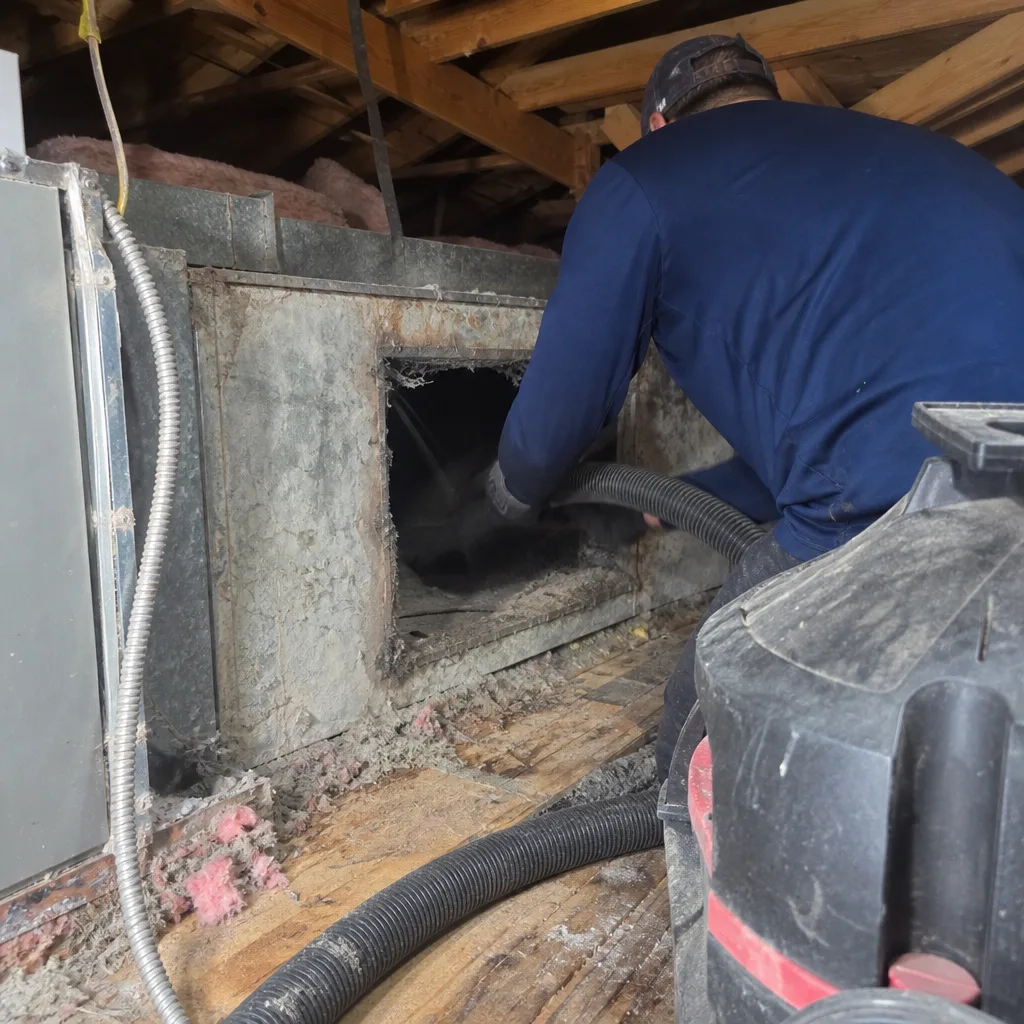 Before
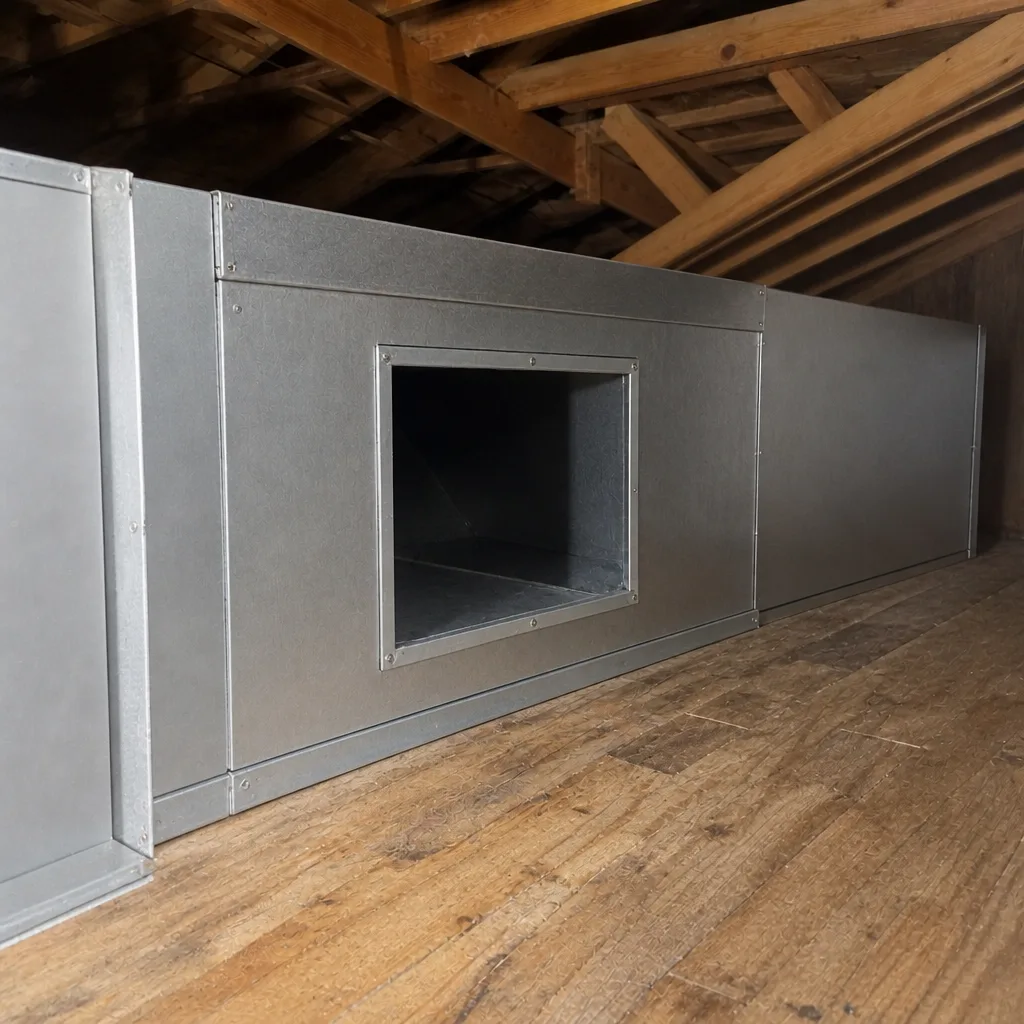 After
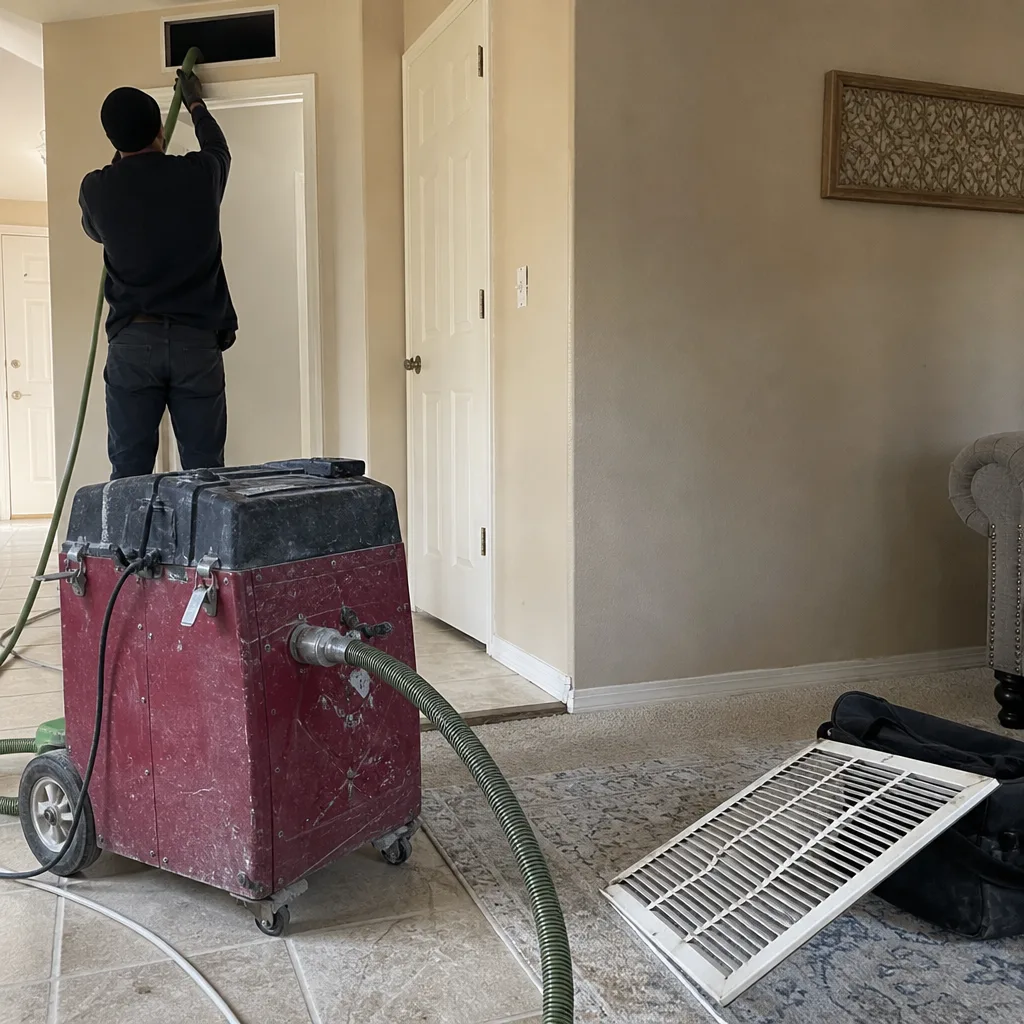 Before
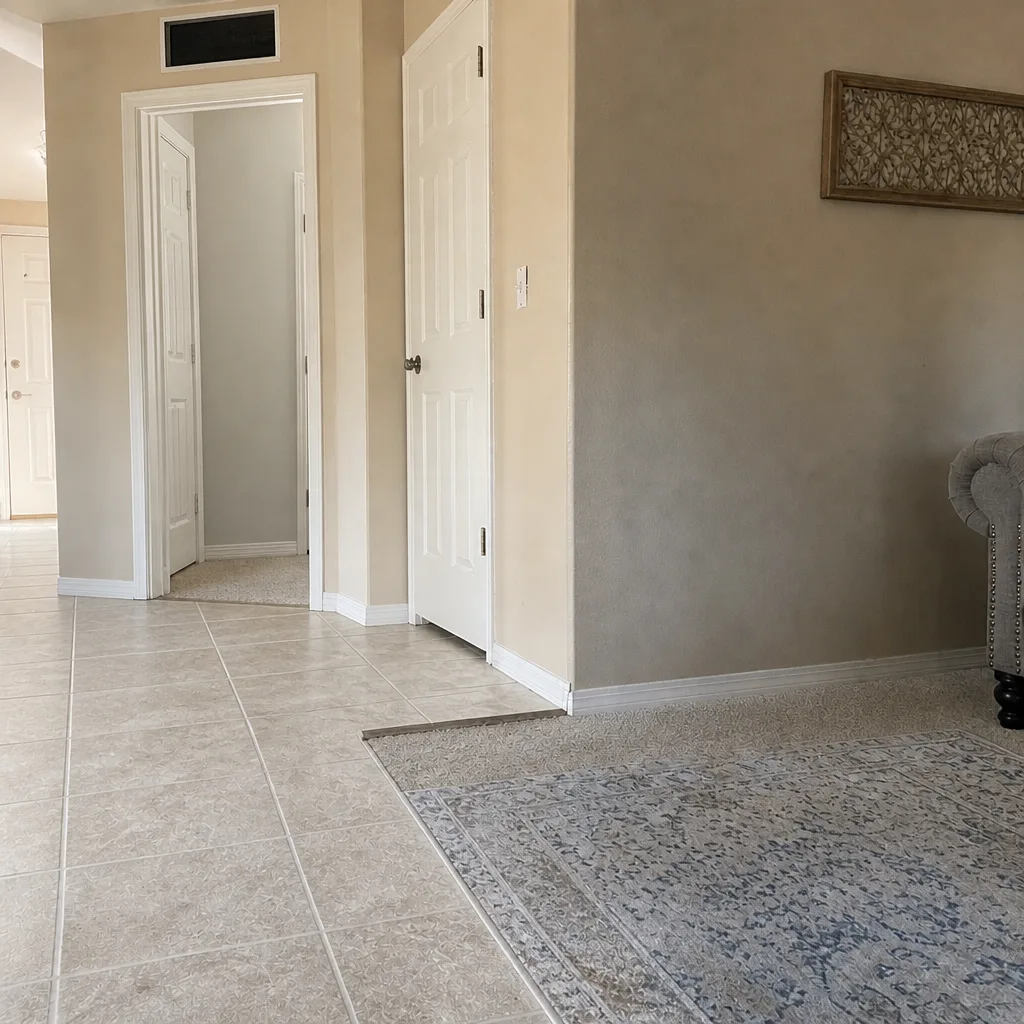 After
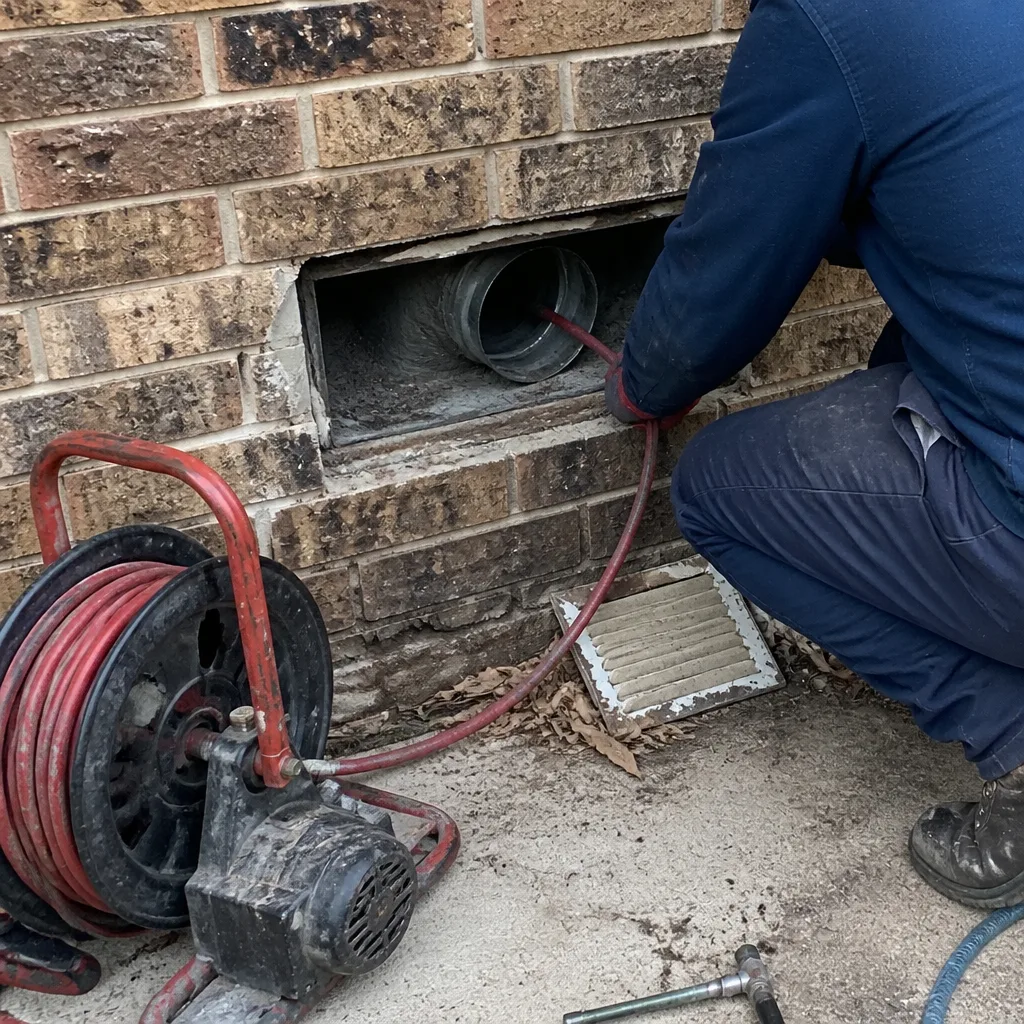 Before
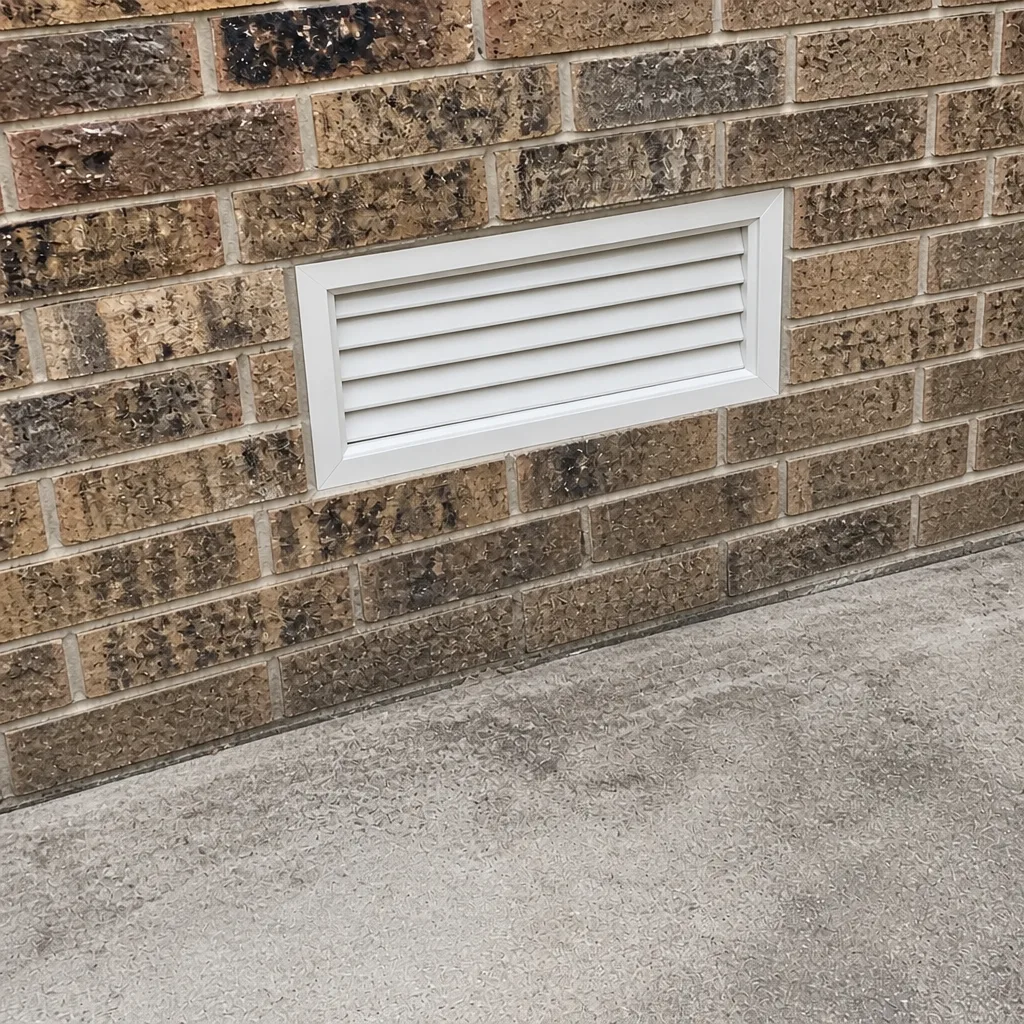 After
When to Call a Professional
Call a professional when the scope of the work crosses from cleaning into mechanical repair, when a duct system shows visible damage, when airflow problems persist after a filter change, or when you’ve been told duct repair is needed but you aren’t sure what’s permitted in Lubbock. It’s also worth a call if you’re preparing a home for sale and don’t have documentation for prior ductwork changes, or if you’re seeing a duct project in an older Lubbock home where the energy code question may apply. The tools matter too. A rotary brush system like Rotobrush and HEPA-filtered extraction equipment such as Nikro, plus access to Abatement Technologies contamination-control tools for elevated situations, is the difference between a surface pass and a real cleaning and repair scope. If the house has a Honeywell or Aprilaire system, a technician trained on those platforms can check the full air system, not just the ducts. Duct Cleaning Lubbock offers free estimates in Lubbock, and you can call (833) 958-4715 to schedule one. Call (833) 958-4715. We answer 24/7. Fast dispatch from 7am to 7pm, Sunday through Friday.
Frequently Asked Questions
No. Air duct cleaning is classified as maintenance and doesn’t require a permit under City of Lubbock amendments to the Uniform Mechanical Code. Duct repair, replacement, or system modification may require a permit because those are mechanical alterations to the system. If you’re unsure which category your work falls into, ask the contractor in writing and confirm with Development Services. Call (833) 958-4715 for a free estimate and we’ll help you sort the scope.
The Texas State Energy Code caps duct leakage at 15% for ducts that are substantially modified. It becomes relevant when a duct project goes beyond a small repair and starts to count as substantial modification, which is typically judged case by case with local building officials. A small repair may not trigger it; a larger system modification very well might. The safest move is to ask your contractor directly and confirm the testing approach in writing. Call (833) 958-4715 for a free estimate.
Look up the permit through the City of Lubbock Development Services online portal using your property address, and ask the contractor for the permit number before work begins. The permit record is public, so you can confirm the scope matches the actual work. After completion, verify the inspection passed and the permit is closed out. If a contractor can’t produce a permit number for work that required one, that’s a serious warning. Call (833) 958-4715 for a free estimate.
No. In marketing language “duct sealing” can mean almost anything, but in a code context it means specific materials applied to meet the applicable standard for your duct types. Mastic is widely accepted for rigid metal duct joints and penetrations, and unswerving code-conscious work uses UL 181-compliant tape matched to the duct material rather than generic cloth duct tape. Ask what materials and method the contractor plans to use, and get the answer in writing. Call (833) 958-4715 for a free estimate.
It can. Several HVAC equipment warranties specify that unpermitted modifications by unlicensed or non-permitted work can void portions of the warranty, and some insurance claims ask for documentation that ductwork was done in compliance with code. The exposure is specifically about repair work and modifications, not routine cleaning. Keeping the estimate, permit records, inspection results, and final invoice together is the simplest protection. Call (833) 958-4715 for a free estimate.
Older Lubbock homes often have rigid metal duct systems with numerous unsealed joints or flex duct added over the years, and a cleaning or repair in those homes can reveal enough issues that the project crosses into substantial modification. That’s where the energy code leakage threshold and permits come in. Homes on pier and beam with crawl space ducts and slab homes with attic ducts each have their own failure points, and the repair scope differs. Call (833) 958-4715 for a free estimate; we’ll flag what we see and separate the cleaning scope from any repair scope clearly.
The Bottom Line
Duct cleaning in Lubbock is maintenance and doesn’t need a permit. Duct repair, replacement, and system modification are mechanical work under Lubbock’s amendments to the Uniform Mechanical Code and may require one. When a project counts as substantial modification, the Texas State Energy Code’s 15% duct leakage threshold becomes relevant, and testing may be required. Confirm the materials and method for duct sealing in writing, use the City of Lubbock Development Services online portal to verify permits, and keep every record together. That’s how you protect a warranty and an insurance claim. Air quality starts in the ducts, and so does the paperwork.
If you’re considering duct work in your home and want an honest look at what’s cleaning scope and what’s repair scope, we can help. We clean it, and we can fix it. Call (833) 958-4715 for a free estimate. We answer 24/7. Fast dispatch from 7am to 7pm, Sunday through Friday. Learn more about Duct Cleaning Lubbock, schedule air duct cleaning or dryer vent cleaning, and see what a proper Lubbock duct system assessment looks like.
Written by the team at Duct Cleaning Lubbock.